

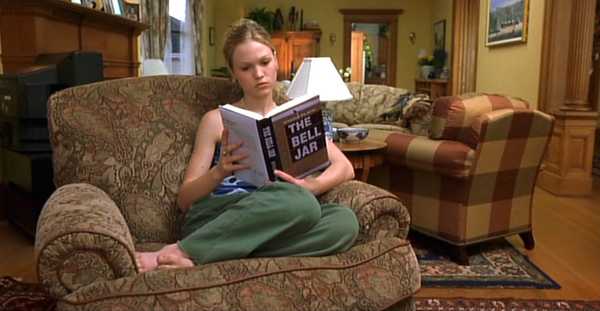
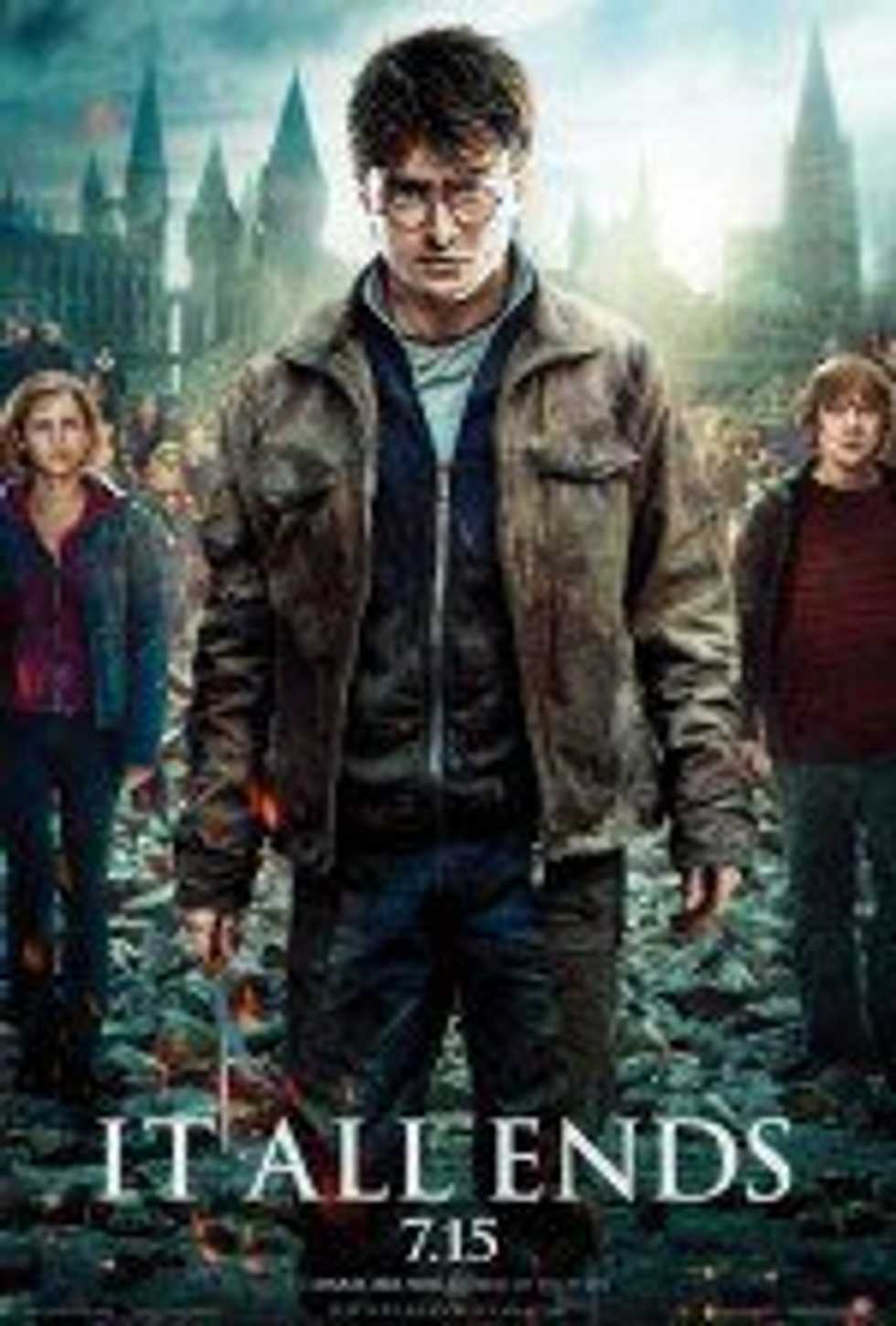
When "Harry Potter and the Sorcerer Stone" came out on November 4th 2001, an era began. Bookworms flocked to the theaters, books in hand, glasses and fake lightning scars on their foreheads. This would be the first major book—turned-movie of the century, and it started a fad that seems like it will never end.
From "Harry Potter" to "The Maze Runner," authors are writing these books to get young readers excited about reading. Many authors gear their new books towards a movie direction, money symbols already in their eyes.
But movie adaptations aren’t always as successful as the fans hope for. Die hard fans come out of theaters disappointed, complaining, “they didn’t do this, they didn’t include this major part of the plot! That part practically makes the story!” But they still come back every time the next movie comes out and make the same complaints afterward.
What these fans need to understand is that filmmakers can’t fit everything into a movie that is two hours long. No one will sit through a movie that is much longer than that, and no one should. Go get some fresh air.
Some things can’t be translated from page to screen, but fans still complain. Most popular novels include fantasy themes, and no amount of CGI can pull off the same thing as the human mind.
Fans need to understand this and appreciate the films for what they are: separate entities. These entities can be appreciated on their own because most of them are still pretty good movies. Sometimes you might just want to get the source material out of your mind before viewing them.
Books turned into movies have such a large fan base because people have high expectations. And many people prefer the visuals of a movie over the time-consuming task of reading a book, as sad as that is.
Young adults, the intended audience of these books, devour them and then go to see the movies because they want to see what Katniss or Harry would be like in real life. Actors like Jennifer Lawrence and Daniel Radcliffe have high expectations thrust upon them to perform these roles to practical perfection. To become these beloved characters. And then the characters stick with them, they practically become identified as those characters. When "Harry Potter" wrapped up back in the summer of 2011, Radcliffe began to try to branch out from the Boy Who Lived. And while it took him a while, he has somewhat succeeded, having a fairly successful Broadway career. But when his first non-Harry Potter film came out, the jokes were abundant. The comments section on the YouTube video of the trailer for the movie is filled with comments like “Use your wand, Harry, your wand!” or “So this isn’t Hogwarts anymore.” These jokes are partly Radcliffe’s fault, because he grew up with the "Harry Potter" films, and didn’t do anything besides them for 10 years. Jennifer Lawrence, on the other hand, was continuously doing movies during the span of the "Hunger Games" movies. She won an Oscar for "Silver Linings Playbook" in 2013. She wasn’t just Katniss, she was herself, which is why so many people adore her.
The popularity of teen books that makes people want to turn them into movies can be a good and a bad thing. Readers of the books sometimes feel disappointment after seeing the movie they had high expectations for, expecting it to be exactly like the book, while they forget to consider the fact that some things can’t be translated. Actors’ careers can either be made or broken, because they cannot get away from the beloved character they played. We as a culture need to realize how much pressure we put on these movies and these actors, and realize nothing can be perfect. Remember that next time you’re sitting in a theater, and instead of criticizing, applaud the people behind the movie for all their hard work.

















