
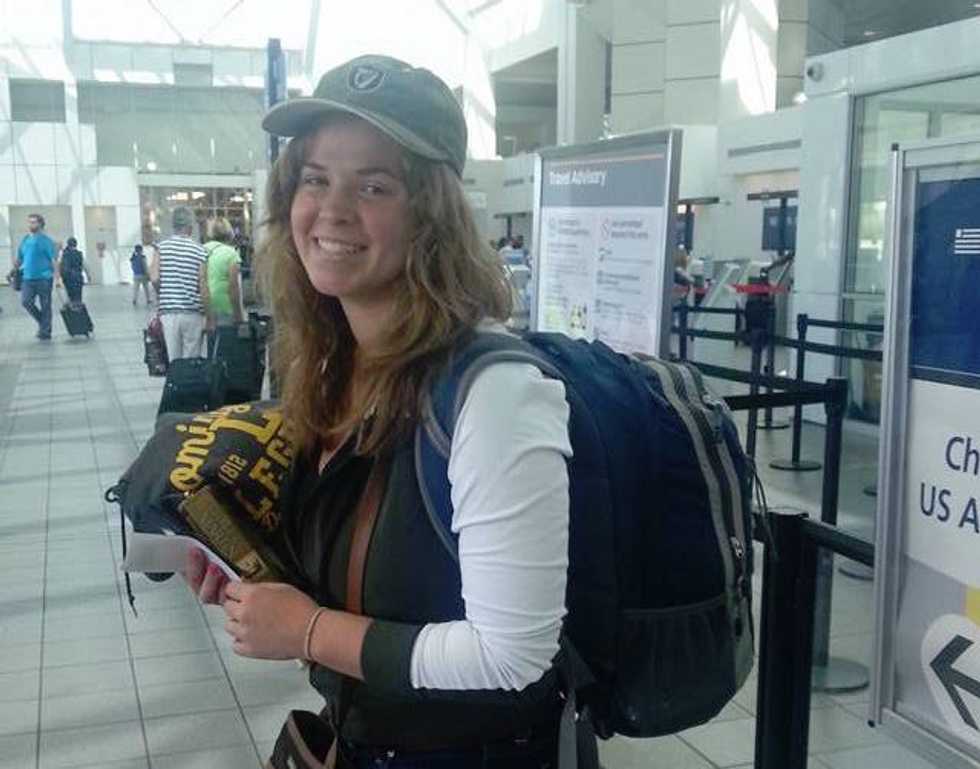
After studying abroad, professors, counselors, and friends are normally concerned that you will suffer from what is termed “reverse culture shock.” The symptoms are similar or identical to extreme sadness and depression, but the causes are rooted in you wishing for other people to fully appreciate the mind-blowing experiences you have had, and aching for those cultural norms that do not fit into your routine at home. When I was packing my bags and realized that “home” no longer just meant one place, I could not explain the anguish in my heart in English or Spanish.
I fell in love with Spain — its people, traditions, diversity, food, music, etc. — and to say that it holds a place in my heart is an understatement. My love for the United States is familiar, reliable, and never-ending, but my developing affections for a country I had spent three months in felt like a cripplingly short, passionate affair I would always remember. “Reverse culture shock” occurs when you believe that the new routines you’ve become accustomed will no longer fit, because you know well what you are going back to.
This is not to say that I don’t fully appreciate the life I lead in the U.S., because I consider myself deeply blessed to have such a wonderful life. But the anxiety I felt had nothing to do with missing the food. New customs force you to adapt, whether you mean to or not, and inevitably you change. I liked the changes; my fear was that I could not maintain them.
My time in Spain introduced me to many wonders, but one I didn’t count on was the hidden depths of beauty and strength within myself. Spain unleashed the best in me, and it was a fearless, intensely inquisitive, and slightly reckless girl I had never truly known before. That girl came back to the U.S. in November; as of now, the one who left in August has not returned.
My woes over whether or not the revitalized version of me would fit into my American routines turned out to be pointless. Turns out the old version did something right, because friends and family embraced the welcomed intruder with open arms. The only shock I experienced was realizing that they knew I had the potential to be who I am now all along, and maybe that’s why they don’t really notice the change. That doesn’t seem like something to be upset over to me.
I was not thrilled to be coming back to Lycoming after my trip because it is a teeny-tiny bubble in a humongous world, but I was touched by the warmest of welcomes that had me jumping into people’s arms, and remembering why I chose to stay in the first place. I was touched to find out that people were so elated to see me, when I was only just stumbling into the bathroom after waking up. I almost melted into a puddle of feelings when my cross-country teammates hosted a welcome-back dinner in my honor. And there were so many more hugs and greetings to make me feel like I still belong.
Yes, I still miss being in Spain, but a friend of mine reminded me that beauty can be found wherever you are standing, and he’s right. I will never have to regress to who I was before I landed in Madrid, because I carry the memories and many of the customs with me now. I can always message my host mother for a favorite recipe and learn how to make it for myself. I will continue to practice speaking Spanish with friends I’ve met, and it will most certainly lead me on to new adventures in the rest of the Hispanic world. And there is also nothing that says I can’t listen to bachata while I’m doing homework, or find a partner to dance the salsa. It’s true that I’ll never be able to impart all of the stories and moments in my trip to my friends and family, because some things in life are truly indescribable, but it doesn’t mean I can’t try.
So, no, after three months, I have yet to experience “reverse culture shock,” because I will never truly leave the places to which I’ve traveled.