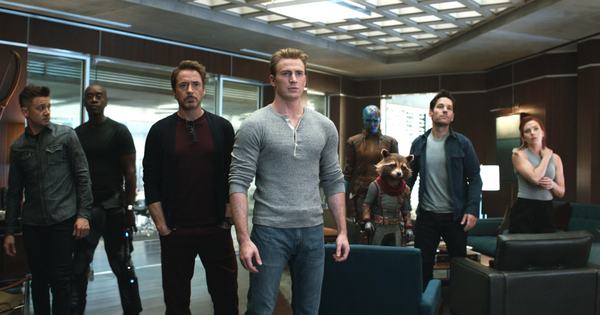
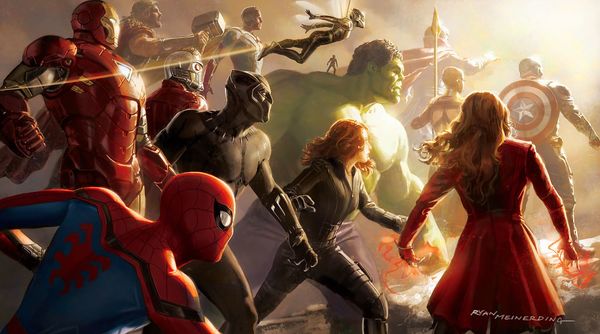
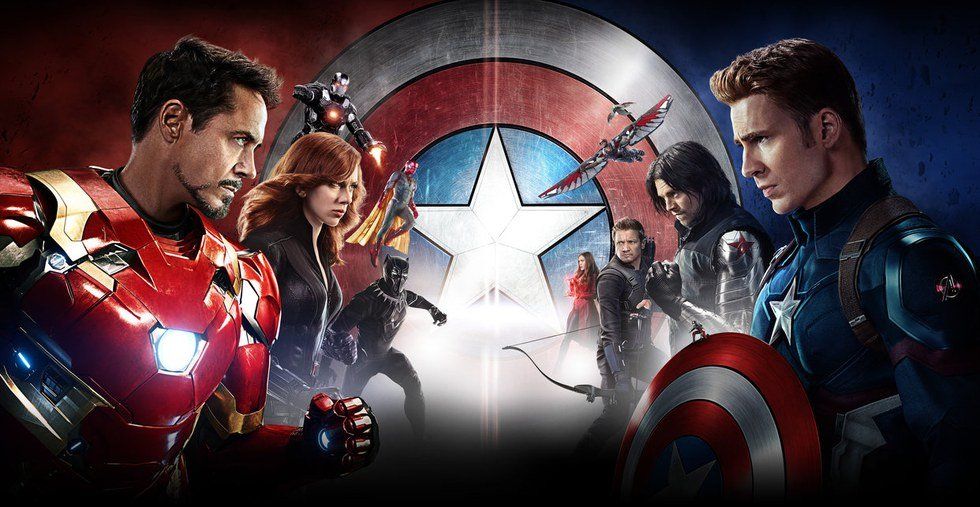
Comic book movies have been all the rage lately, which they should; Superman has been around since 1938 and Captain America has been fighting for America since 1941. It's about time someone did comics justice in the movies. A lot gets lost in these movies, however; Captain America was literally created for pro-America propaganda during World War II. The heavy themes in comics wrack at your soul. Batman and the Joker have debated the limits of values over the years. Iron Man shows the dangers of success and technology. Ant-Man has tried to figure out when science goes too far. X-Men battle prejudice in their everyday world. The movies tend to be more beat-em-up action movies, which is not bad, but these amazing storylines are glossed over. I will probably write a series of articles, mostly about Marvel films. I read more Marvel than DC, and Marvel has been releasing more movies in the last few years. I am going to point out the biggest issues in these films and explain why it matters.
Captain America: Civil War is the third installment (and supposedly last installment) in the Captain America series. If you haven't seen the movie yet and want to, stop reading and go see it.
Spoilers are ahead.
Civil War was never about just Captain America; it includes almost all of the Marvel universe (Avengers, X-Men, Fantastic Four) and presents as a social issue. There are not five people on each side, but dozens.
Second mistake is that the legislation in Civil War was by the US, not the UN. That's one of the reasons why Captain America cares so much. They come about because cities keep getting destroyed and innocent people keep dying due to heroic efforts. The US is like, "hey, how about you follow laws and kill less innocent people and let us decide where we need you." The idea really strikes a chord with Tony Stark after a mother of a victim pleads with him to stop destroying lives. Captain America is opposed because he believes the US shouldn't be allowed to decide when intervention is needed. That part of the movie was pretty accurate.
The third major mistake is that Bucky was never involved in this storyline. Marvel movies try to string too many storylines together sometimes to the point it doesn't do one of them justice. Bucky has nothing to do with the decision Captain America makes about the legislation. The only crime Captain America commits is not submitting to the government when the law is passed.
The fourth error (which really happened in the second Avengers movie) is Scarlet Witch and Quicksilver are mutants, not Hydra experiments. In fact, they are Magneto's children. The new X-Men movie sheds some light on this issue of Magneto having a lot of children that he doesn't know about. It is a big deal that Scarlet Witch is not a mutant in this film because it leaves out a whole part of the Marvel universe that is affected by the new law.
Overall, the movie is divided into two sides that are "Bucky needs to be in jail" and "Bucky doesn't need to be in jail." The actual Civil War Storyline is about the damage that superheroes have caused the world; it delves into how the intervention of superheroes should be regulated. It divides couples, teams, friends. People die on both sides trying to protect what they believe in. The rebellious side feel more justified when the government lets out villains in order to capture the rebellious heroes. Hank Pym, Tony Stark, and Reed Richards develop clones of Thor and other heroes in order to have more troops to quash the rebellion. People switch sides. Civil War is a genius, emotional storyline that gets to the heart of what it means to be a hero.