


The world is not colorblind.
Race is a concept that is built into every institution and person. It is a social construction that has become so commonplace that it is hard to identify in our own thinking and actions. Generations have grown up with this concept that is so embedded in society that it is impossible to remove from everyday life. Now I am not saying everyone is a racist. However, I am saying that everyone is familiar with racist stereotypes and idealogies. Although there are people out there who believe in equality and treat everyone the way they would want to be treated, I bet given one word anyone could drum up a detailed description on something they don't know much about.
Let's try it. In your head think of what you assume a housekeeper to be. A ghetto. A thug.
The pictures in your head are undoubtedly specific and most likely depict a race other than Caucasian. The purpose of these examples is to point out how relevant our associations with race are in society-- any society really. Through my studies as a double major in French and Sociology, this year has brought the subject of racism front and center. The most striking connection I made thus far in my classes happened this past week when the incident involving Ahmed Mohamed's clock happened. The French novel I happen to be reading, Le Gone du Chaâba, written by Azouz Begag, is about an Algerian-French boy who lives in the slums in Lyon, France, a town located near Algeria. In this autobiography which takes place during the late 50s, Azouz writes about how his wish is to do well in school and move out of the bidonville (french for shantytown). He sits in the front row of his class at school and answers his teacher's questions. Despite this, his teachers always look shocked when he provides a correct answer since they expect him to fail. His teachers are even more disdainful towards the other Algerian students in the class who show less effort. They berate them, humiliate them and make no attempt to understand the circumstances under which they are living. However, these educators do not hold the same expectations for the French students in the same class simply because the French students have the privilege of being part of the majority.
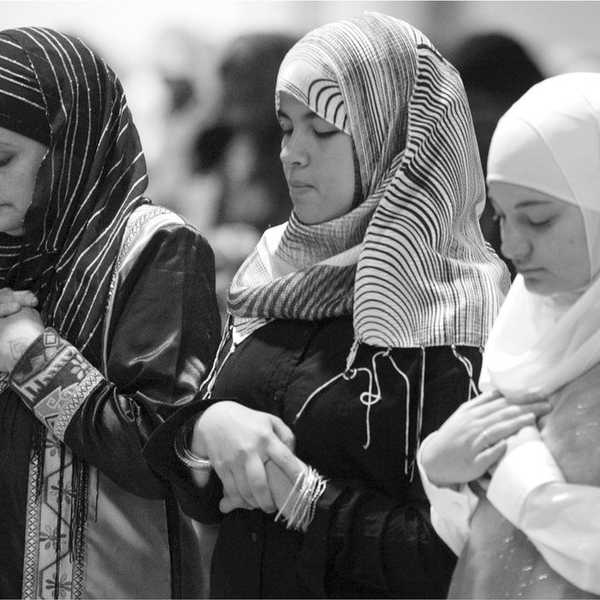
I found the situation that Azouz goes through in Le Gone du Chaaba to be very similar to the recent event in the news involving Ahmed Mohamed and his homemade clock. When Ahmed brought his clock to school to impress his teacher, she immediately responded by reporting him. The report turned into the police arresting him, interrogating him, bringing him to jail, and fingerprinting him. No one bothered to believe Ahmed when he told them that it was just a clock. No one bothered to call the boy's parents until he was already booked in the police station (which is illegal). Long story short: no one thought he deserved any of these basic rights because he was Muslim. The prejudice against Muslims in this country runs deep and is widespread. The teachers, administrators and police operated under a fear that seemed so real they forgot to check fact from fiction, and more importantly, right from wrong.
The adults involved in this situation all showed that they expected the worst from Ahmed. His teacher assumed he was going to hurt others. The police assumed he was lying about his clock. The administration, although they were wrong, still assumed they were right in their actions. That is white privilege, knowing you can be right even when you are so obviously wrong.
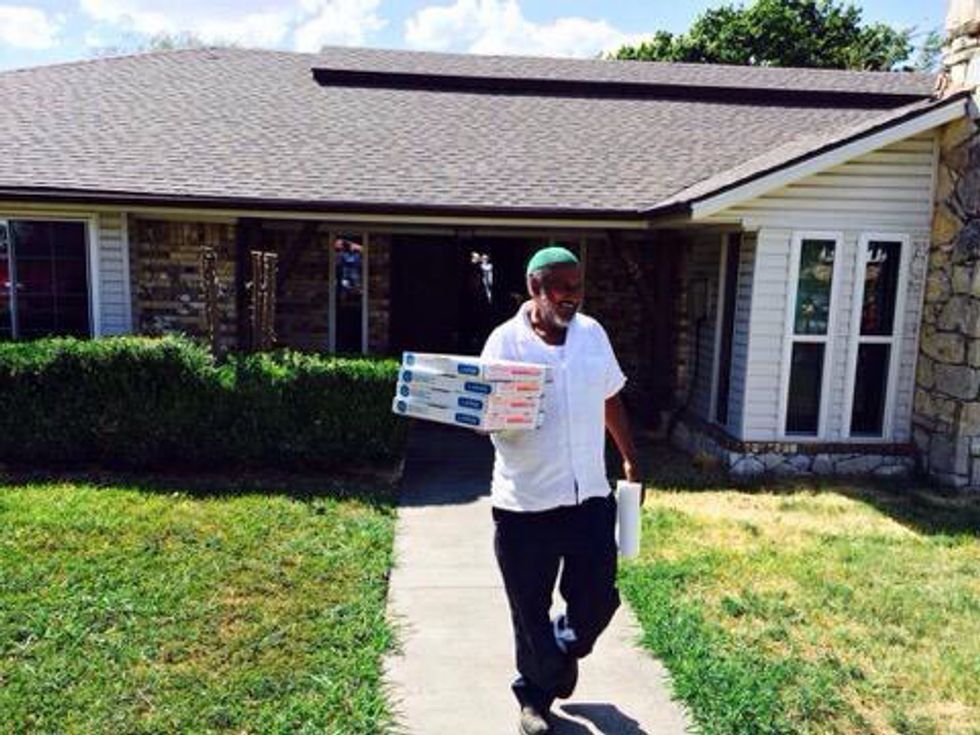
If anyone involved in this incident had taken even just a second to educate themselves on what real Islamic values are, the "threat" that Ahmed seemed to pose would have been non-existent. For example, "Islam treats peace in the eschatological sense, as the ultimate goal of human life, almost synonymous with salvation". Assuming Muslims have an agenda to hurt others is absurd and an insult to their faith. Ahmed's father brought the media waiting outside his house pizza for crying out loud.

The parallels between these two events are obvious and surprising. Worlds and decades apart, the same problem still plagues people across the globe. The relevance between these two accounts of racism show that no society is immune to falling to racist ideologies. Any person in any time period and country has grown up with stereotypes that affect the way he thinks. Racism is ingrained so deeply in cultures across the world and it is the responsibility of our generation to stop allowing these stereotypes to exist. Societies deserve better futures; people deserve better lives and to simply be without having a label stuck on them.
















