


Let's go back to grade school when you were first learning to write papers. Mine read something along the lines of "The cat went to the store. The cat bought milk. The cat was very busy. The cat said hi to the dog. The cat shared the milk with the dog. The end." We all have short sentences scribbled on paper that the first grade versions of ourselves would be very proud to claim. Now let's catch up to high school: you were learning how to write essays for college applications, personal statements and all that jazz for your future endeavors. I am sure you remember being told to use "where as" statements, to not end a sentence in a preposition, and to not use words such as very, like, said and many others. But still, it is easy to carelessly add these words to your writing which in turn can lower the quality of the content you have created. As Mark Twain would say "substitute 'damn' every time you're inclined to write 'very'; your edit will delete it and the writing will be just as it should be." Wise advice from such a remarkable writer. But if you so feel inclined to use very, like, said, really, etc., try using these words in their place.
Very.
Generally it seems in writing we place very in front of statements such as very fat, very fun, very excited, very mad and so on. Instead of saying "he was very scared," use the word terrified. Next time you are have the urge to use 'very' either use 'damn' to later delete it, or one of these words that are more descriptive and not so flat such as 'very'.
Furious, dazzling, scalding, soaked, silent, soaked, beautiful, solemn, quick, superb, fantastic, keen, etc.
There are list all over the Internet that have extensive list of words to substitute in place of very.
http://writerswrite.co.za/45-ways-to-avoid-using-the-word-very

Bad.
Instead of using the word bad try these on for size.
Foul, offensive, horrendous, horrid, terrible, sinister, ruinous, etc.
Find other options to sub for 'bad' here.
Like.
Personally I am terrible because I say 'like' a thousand times too many instead of inserting these words.
Similar, uniform, twin, equivalent, akin, identical, etc.
You do not want to end up sounding like this: 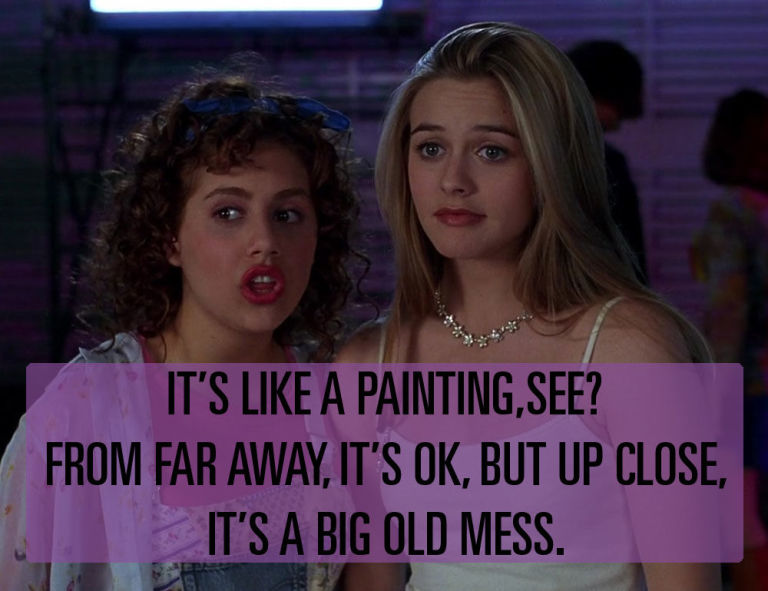
Said.
It is easy to fall into the pattern of using said after said after said. Instead, try these:
Exclaimed, cried, laughed, muttered, barked, giggled, sneered, etc.
Moral of the story, use descriptive words. Everyone will be better off.