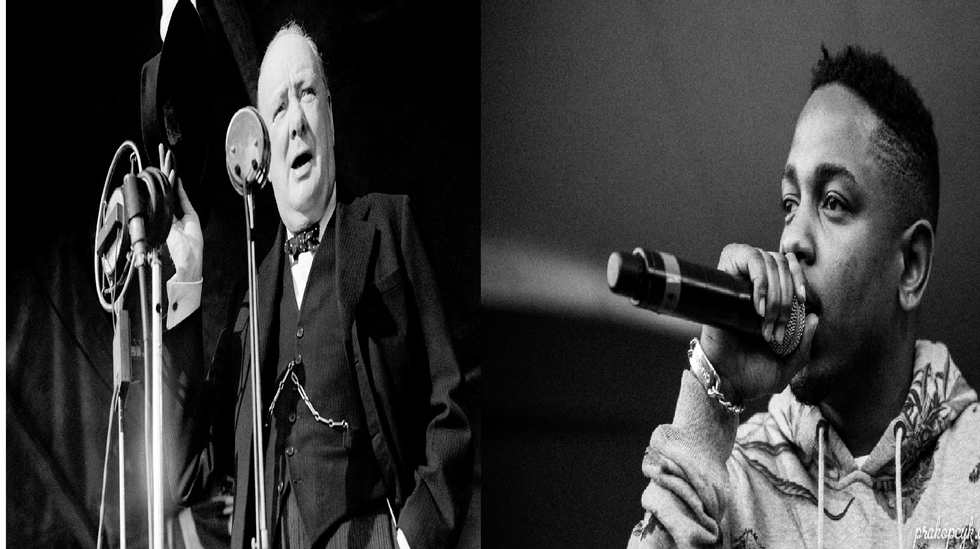
Throughout history, words have been weapons of revolution, speakers of thought, and catalysts of inspiration.
There have been a series of leaders who have also been powerful orators, giving speeches that have rallied individuals in their lowest points or brought about widespread hatred through the use of violent rhetoric. Such speakers are capable of expressing great emotion whether it filled with spite and pride like Adolf Hitler or filled with hope and inspiration like Winston Churchill.
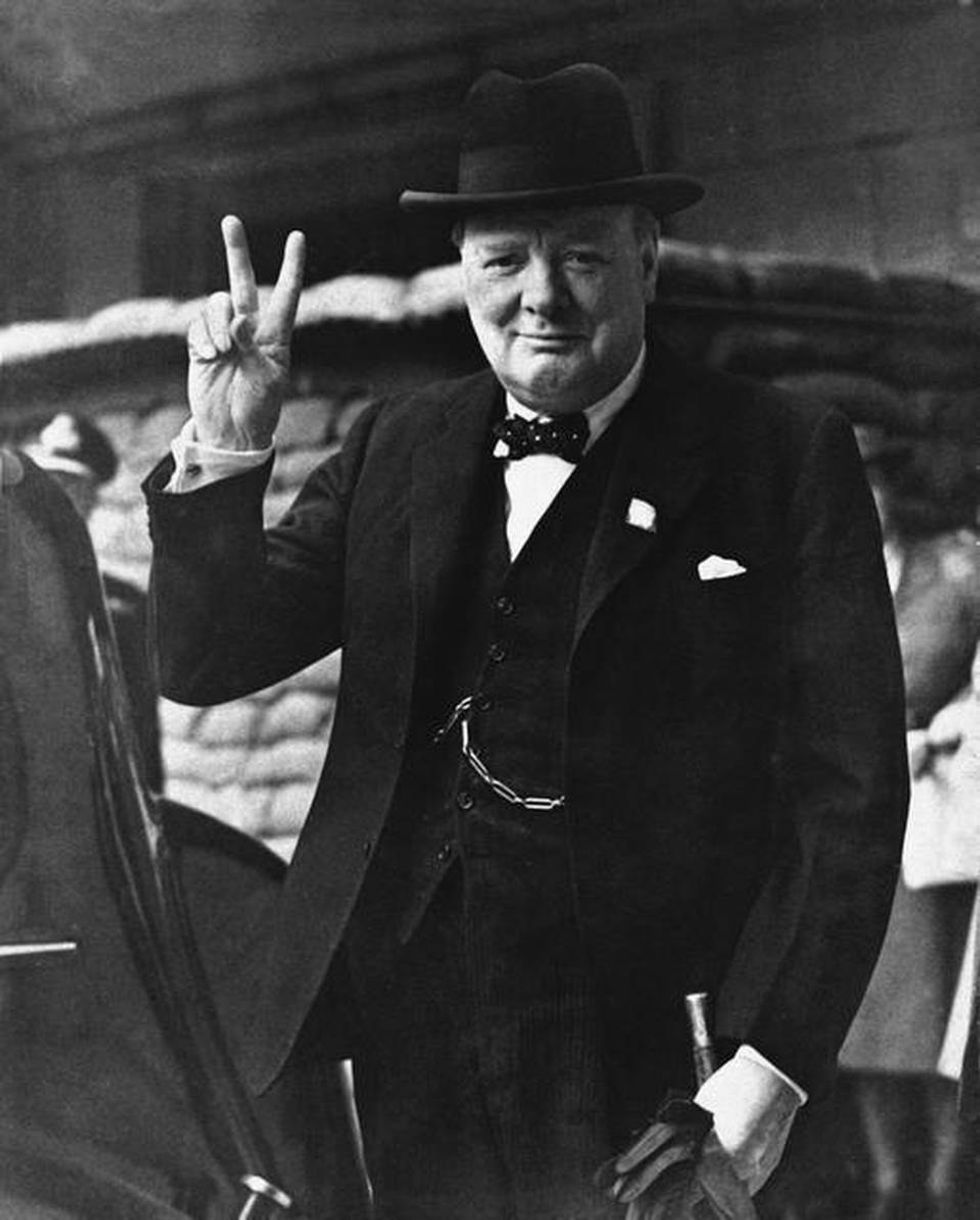
Winston Churchill was the prime minister of Great Britain during World War II and was famed for his leadership and powerful oratory. During the chaotic war, he used his words to craft a powerful speech during a time when despair was at its peak:
“Hitler knows that he will have to break us in this Island or lose the war. If we can stand up to him, all Europe may be free and the life of the world may move forward into broad, sunlit uplands. But if we fail, then the whole world, including the United States, including all that we have known and cared for, will sink into the abyss of a new Dark Age made more sinister, and perhaps more protracted, by the lights of perverted science.
Let us therefore brace ourselves to our duties, and so bear ourselves that, if the British Empire and its Commonwealth last for a thousand years, men will still say, 'This was their finest hour.’"
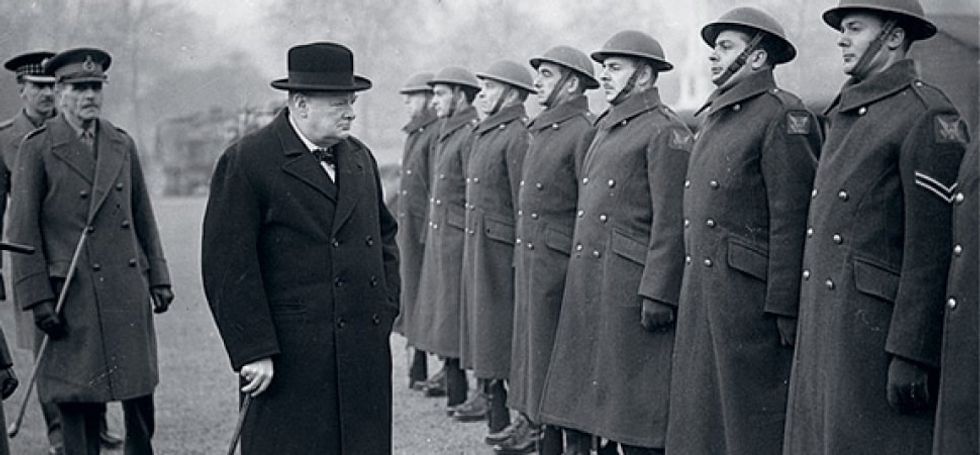
Churchill's eloquence had an extremely powerful influence on Great Britain, Nazi Germany, and the world over. His words bled with urgency and his use of “The Dark Age” speaks on how humanity itself will take a step back in history rather than progressing forward into the future. He boosted the morale of the British people with such conviction that many experts say that he gave the greatest speeches the English language had ever known.
The careful use of words, timing, and tone portrayed the strength of words and how it became Great Britain’s greatest weapon at the time.
As language and speaking progresses, so does music. While speakers using different elements such as tone and body language to give speeches, musicians use lyrics and a supporting rhythm to speak their mind on a variety of topics.
Rap is arguably the most popular genre of music today. It has a poetic element with the best rappers intricately stringing words with the use of metaphors, word-play, and symbolism to create a sense of perspective for the listeners.
Grammy-winning artist, Kendrick Lamar, is one of the most popular rappers right now because of his unmatched lyricism and focus. He does not rap for the sake of rapping but instead has a vision and a purpose. Being brought up in the gang-ridden city of Compton, Kendrick voices his opinions on the image rap has become and attempts to narrate on relevant topics.
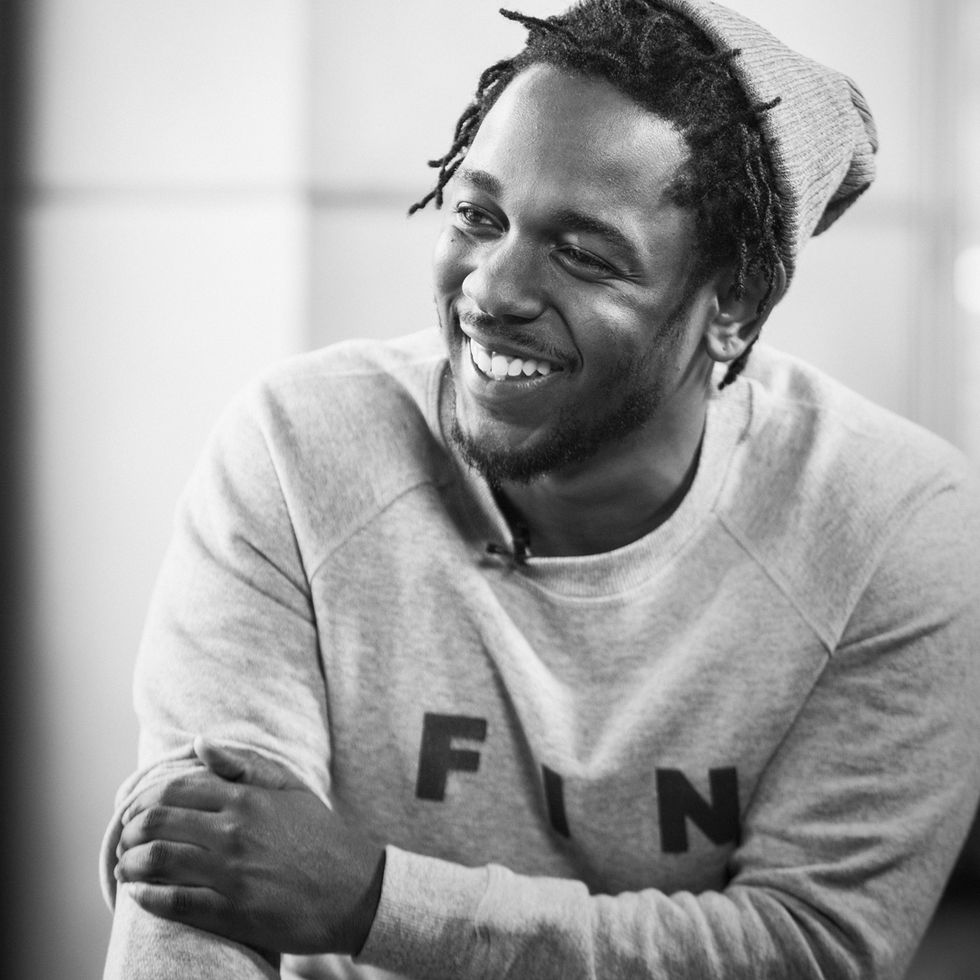
In his award-winning song, “Alright”, Kendrick raps about the violence against blacks and the “Black Lives Matter” movement. He commentates on the ideas of God, slavery, police brutality, and most importantly, hope.
Through this track, he writes with clever allusions and rhetoric to make a simple sentence hold substantial meaning as shown in the second verse of “Alright”:
What you want you: a house or a car? 40 acres and a mule? A piano, a guitar?
Anything, see my name is Lucy, I'm your dog
The first line alludes to the end of the Civil War when slavery ended. Unfortunately, it was very difficult for African-Americans to acquire land privately, showing that there was still a rift between the blacks and whites despite the end of slavery. The line is relevant to the now as it parallels the situation with African-Americans still trying to fight for justice.
In the following line, he uses a girl named Lucy to personify “Lucifer”, the Devil, and uses the dog to personify “Cerberus” who guards the gates of Hell. Dogs are seen to be companions of humans and in this case, Lucifer wants to have Kendrick's trust.
Interestingly enough, “god” spelled backwards is “dog”, showing that the dog intends on leading Kendrick in the wrong direction in his pursuit of peace and happiness.
He continues to use his words on how the public perceives black people, using violent imagery to educate his listeners on how it feels to be a black individual in such a time, urging that the cycle of hate needs to be broken.
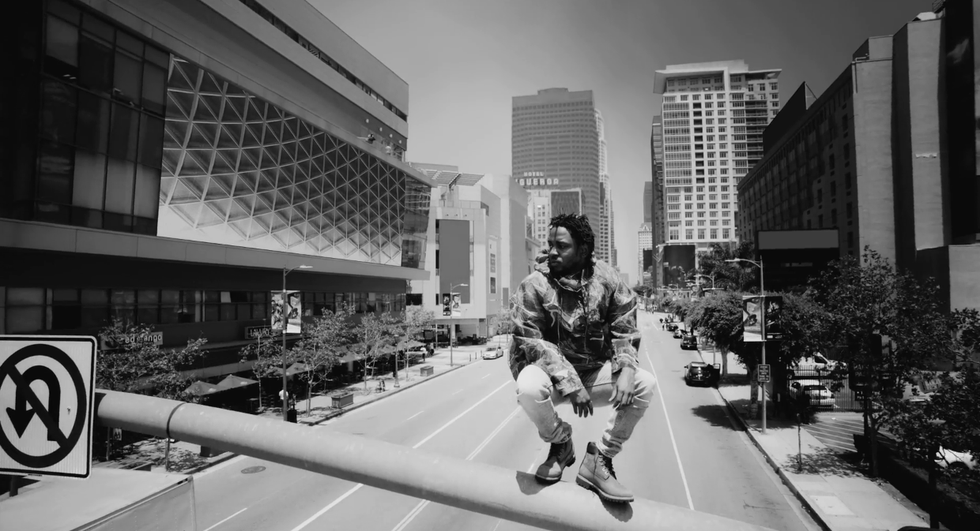
Throughout the song, the phrase “We gon’ be alright” is constantly repeated. When writing this, Kendrick wanted to show that through the racism, violence, and hatred, there will be peace. In fact, many activists through the country chant “We gon’ be alright” in solidarity against the violence, showing the strength of Kendrick’s track.
Similar to how speeches use tone to elevate speeches, music uses rhythm, tempo, and beats as a means of sending a message. While speeches have been given on the same issues Kendrick raps of, his meticulous lyricism is able to display the same message in a different and more relatable form.
Words can be used to create or destroy. Through a series of iconic leaders and musicians, words have been shown to carry a strength that will continue to be of influence.
Each human being has the power to speak and write, making it the most powerful weapon in existence. The only question is: how should we use it?