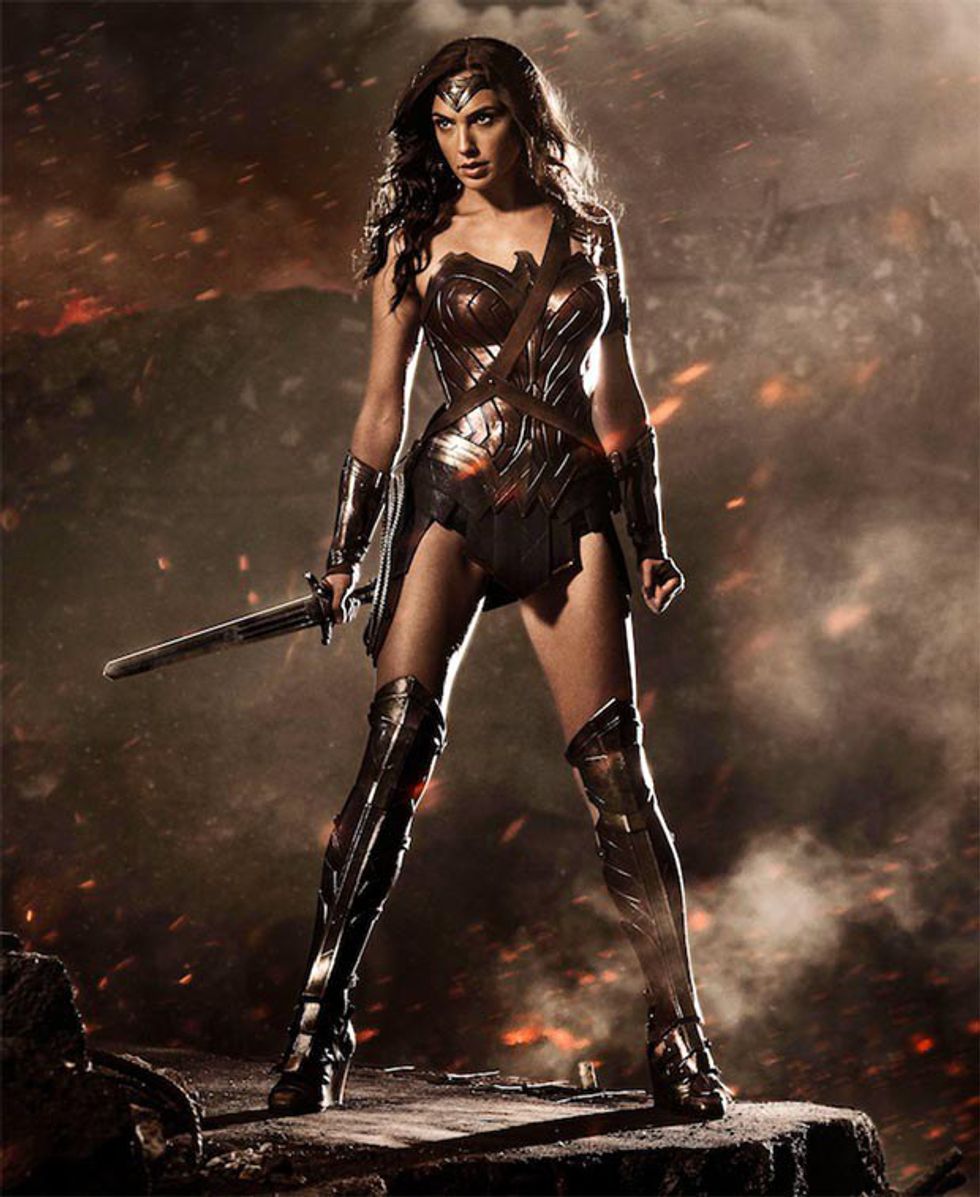
So, many of you went and saw the “Batman V. Superman” movie that came out last weekend, or at the very least you have heard of it. Reception of the movie has been decisive to say the least. It was outright panned by many critics and fans alike, while being vehemently defended by others, but there is one thing many people agree “Batman v. Superman” did right: Wonder Woman. Everyone knows who Wonder Woman is, but this third member of the DC trinity has finally made her silver screen debut. But who is this Wonder Woman, and what makes her so great?
Many have claimed Wonder Woman is a feminist, if not THE feminist icon. Wonder Woman debuted in 1941, and was created by the psychologist Dr. William Moutlan Marston. Looking how she was originally written, one can see how she was a feminist icon. In her inception, Wonder Woman was the woman any woman could be. She didn’t get her powers from any mystical reasons, but because she worked hard, trained, and was allowed to reach her full potential, held back by none of man’s patriarchy, even going as far as making her born from the clay and love of her mother’s desire for a child.
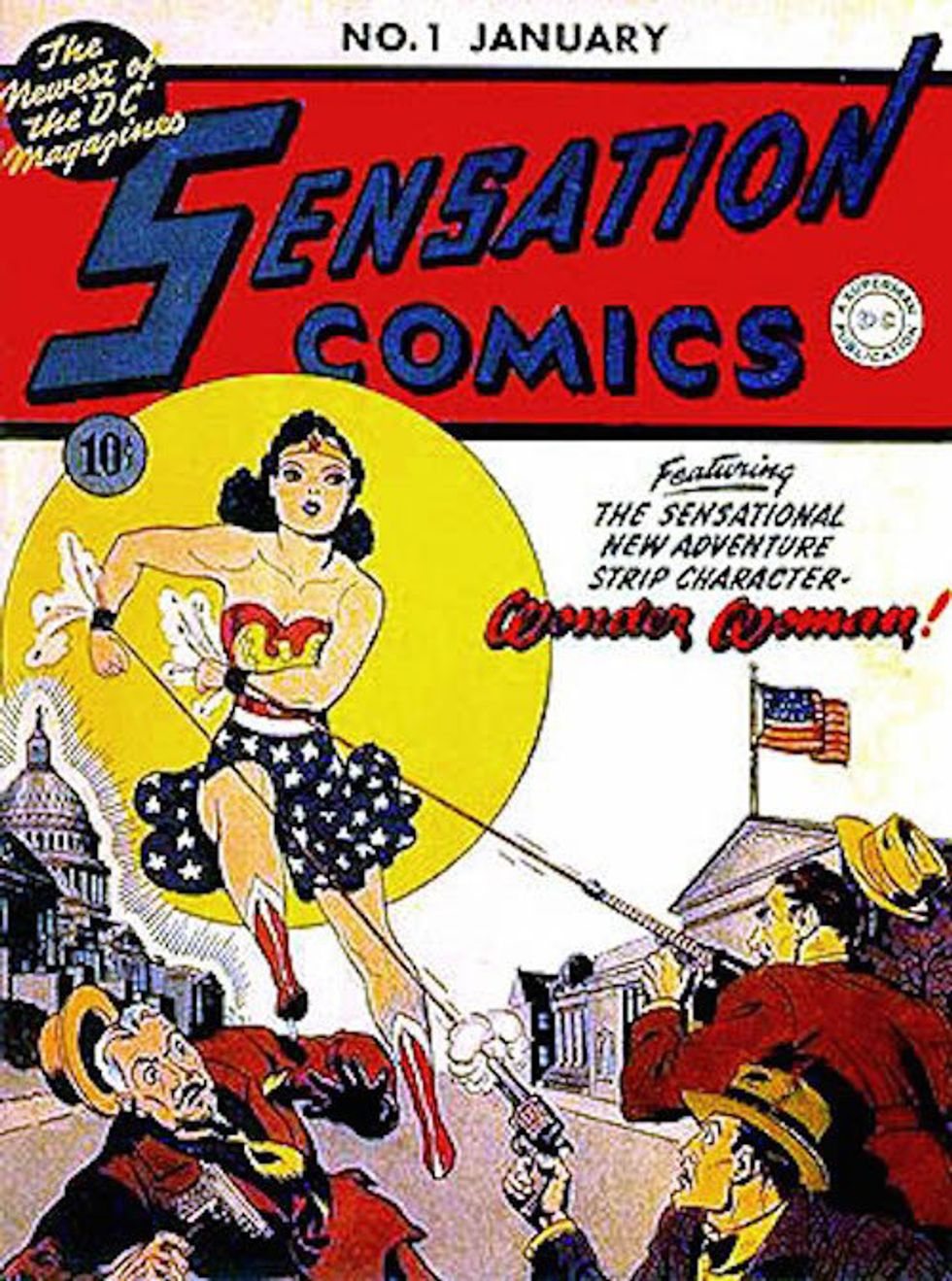
She was able to reach this maximum potential that any woman could achieve because she came from an all-female society called Themyscira. This utopia was founded by women who broke free of the chains of men and founded their all-women society. Dr. Marston made clear that this society was perfect because it was a matriarchy and that women were superior to men. Even here, weakness was a feminist allegory. Her weakness was being bounded by men, a metaphor that what was holding back the Themyscira utopia was men preventing women from reaching their full potential. Having such a comic book character in the 1940s was revolutionary.
Wonder Woman’s early days were often criticized for her overt bondage material, not just in battle but for fun between her Themyscira sisters. Also, she as criticized for her attire and being overall so openly sexual. But one has to remember this was the 1940s, and female sexuality was outright detested and shunned in “common” society. This was right after the Flapper Girls era, which called for the ability to wear less clothing after generations of women were required to wear full and cumbersome dresses that limited their mobility. Wonder Woman, at the time, wearing the little amount of clothes she did and being open about her sexuality was in its own right revolutionary.
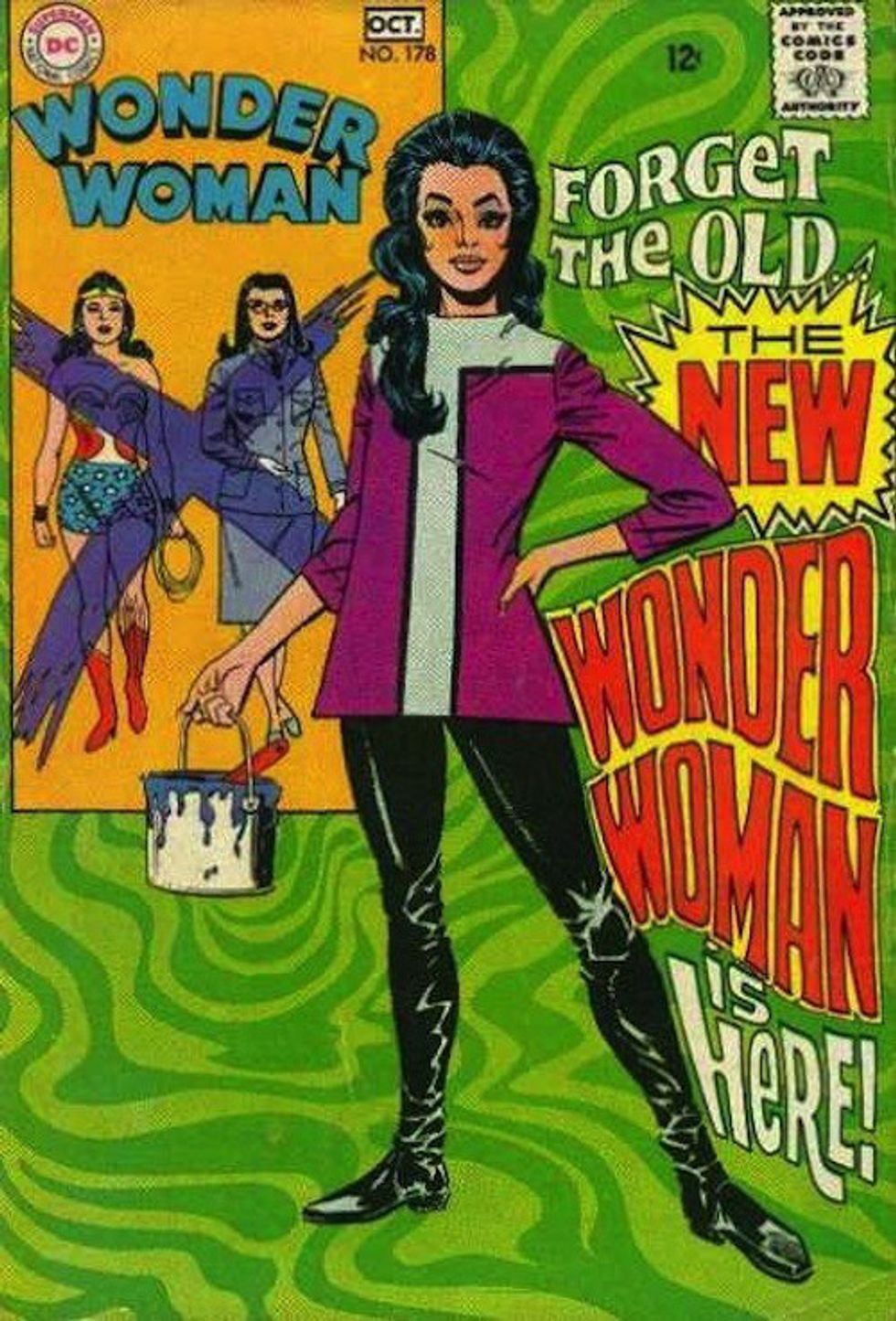
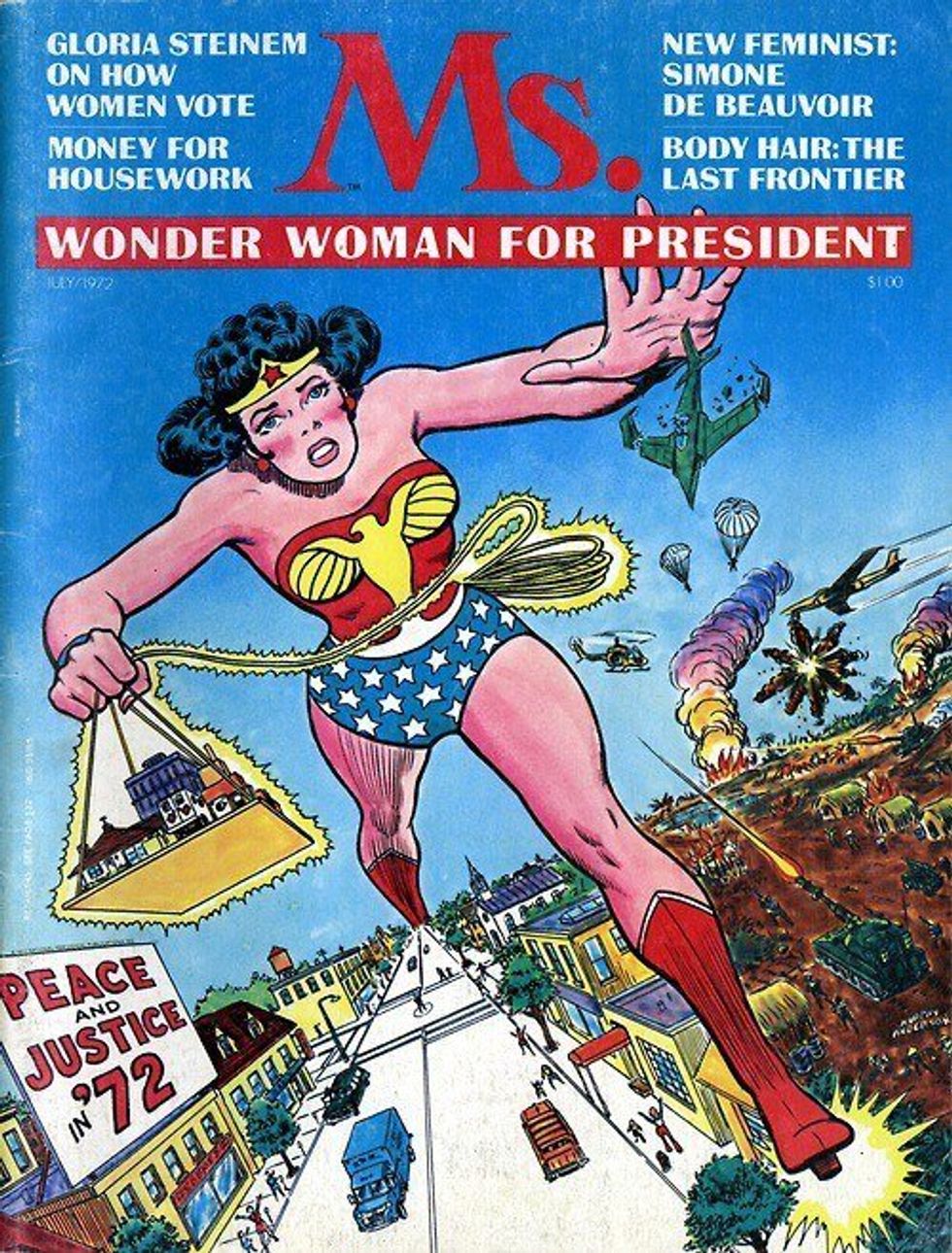
Sadly, after World War II ended, and the '50s began, Dr. Moultan passed away, and Wonder Woman became more concerned about her love interests, and fashion than actually saving the day, going as far as depowering her, toning her down because she was “too man-hating, and was causing young women to become lesbians.” Thankfully this was retconned in the '70s thanks to the premier of the Lynda Carter "Wonder Woman" show. She was back as the feminist icon, even making the cover of Ms. Magazine. Yet, despite her feminist message, as time went on, especially in the '90s her character became more and more about her sexualization than her actual character and feminist ideals. Her costume, which originally stood for sexual liberation, now became about sexual objectification.
Thankfully with writers like Gail Simone, and Greg Rucka, she actually became a fleshed-out character, with feminist ideals, and not just a sex symbol. True, by this point her origin was retconned that she got her powers imbued by the gods, and no longer the woman any woman could be, but the feminist theory was strong in these runs of Wonder Woman. The feminist ideals were revamped for the modern era. Instead of Wonder Woman advocating superiority of women like she did in her inception, she was now advocating for equality. True, she still comes from Themyscira, a utopia of all women, but Gail Simone and Greg Rucka worked to show how this utopia wasn’t perfect. This utopia lacked the option to be able to have a family. This utopia was centuries behind in technology because they had no outside contact. No new ideas or thought was brought into this society, and it was stuck and stagnant in the Roman era.
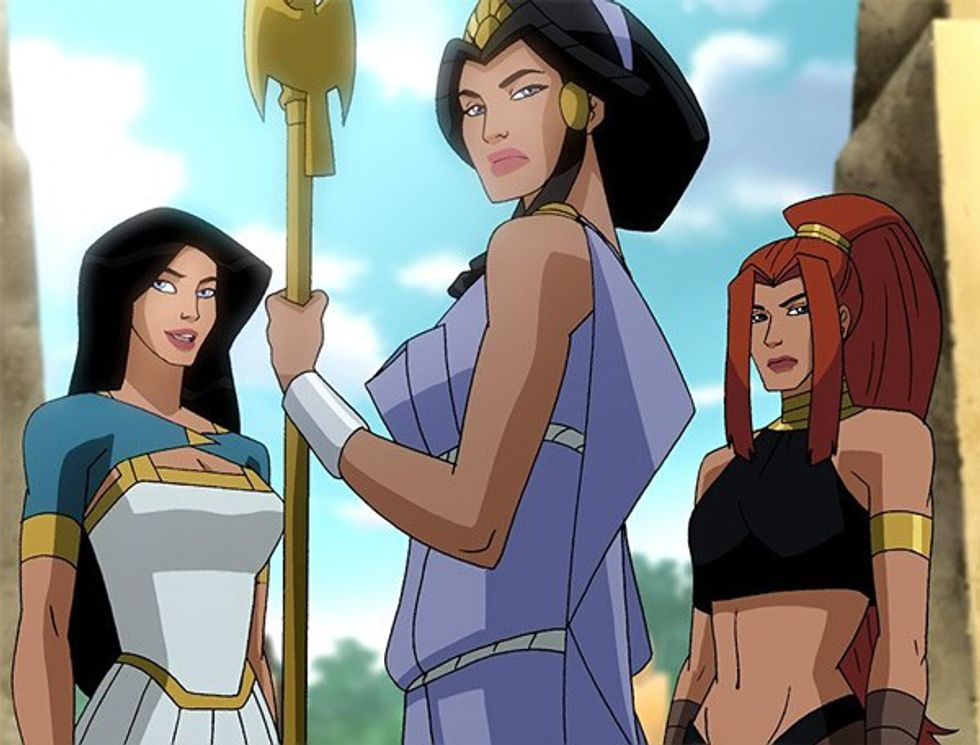
This time, when Wonder Woman ventures into the outside world to return the American pilot Steve Trevor who was lost and found his way to the Amazon island, she see’s the benefits of our society, but also the violence, war and crime that aren’t present in her society. So, coming from Themyscira, which is now depicted with misandry, she see’s the ever presence of misogyny in America. From there she sees the pros and cons of both societies, and tries to go for a middle ground that is the perfect society. Not a society of superiority of men or women, but a society where men and women are equal, making Wonder Woman not just a hero advocating for equality, but also an ambassador between her matriarchal society and the outside world that is so heavily latent with patriarchy ("Wonder Woman" animated movie, 2011).
Wonder Woman has a convoluted history, but her best years are the years when she is a feminist icon, which sadly, her current run is not doing well, mainly because the writers don’t understand her as a feminist, and are trying to remove her from feminism, and focusing more on Roman mythology. Even going as far as removing her birth from the desire of single woman to have a child to having her be the daughter of the queen of Themyscira and Zeus. Hopefully this will be amended with Greg Rucka back an the helm of "Wonder Woman" starting next fall. Also, hopefully the "Wonder Woman" movie coming out next summer will understand that she is a feminist icon, an ambassador and a hero, and not make her shining moment on the silver screen only be the best part of the divisive “Batman v. Superman.”