


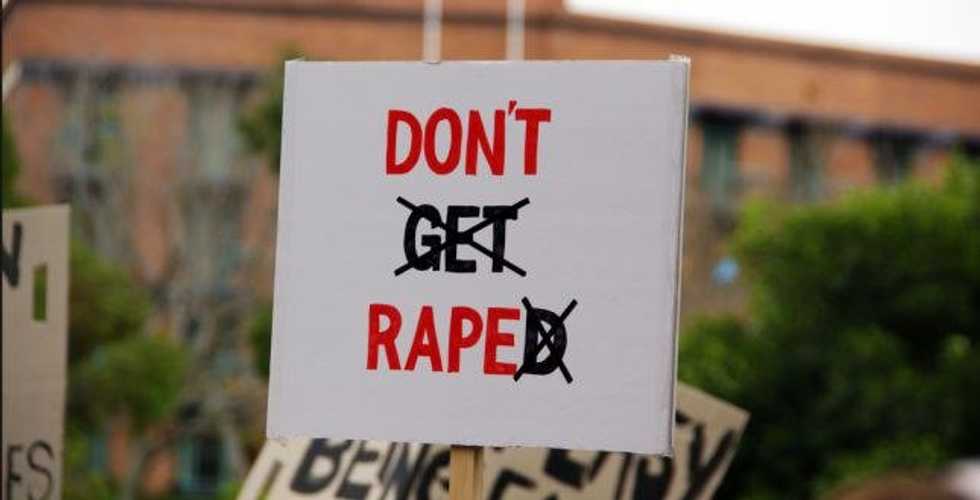
Approximately one in every four women will be sexually assaulted in her lifetime. Despite family and societal attempts to “keep women safe” by attempting to regulate our style of dress, the places that we go, and the activities that we engage in, the rates of sexual assault against women remain ridiculously high. The bodies and behavior of women have been policed in an attempt to protect them from the hooded predator awaiting them in the dark of the night. But the stranger never came. After all of the instruction women receive to protect themselves from the stranger waiting to rob them of their innocence, we find that the predators were never hooded or masked. They sit boldly in classrooms, at family dinners, or community functions. All the while, their victims suffer in silence. Sexual assault is probably one of the most prevalent but poorly handled issues on college campuses and beyond.
Within and outside of college campuses, victims of sexual assault who find the courage to speak out are often silenced and their abusers are allowed to walk free. However, I believe that many victims of assault never receive justice because they choose not to speak. This is not an easy choice, and there is not one simple answer as to why a woman chooses not to report her attacker. When taking into account conversations with college students, personal experience, and research, I have noticed that some women don’t feel comfortable speaking out because they are concerned about the consequences that their attackers may have to face. Even when college students choose to report, some prefer to go through their school instead of the police department. Through this method, abusers may get suspended, but ultimately they end up back on campus with the ability to harm another student.
Although it is difficult, I would like to encourage women and men alike not to internalize their abuse and find ways to blame themselves for what they endured. More importantly, I hope that individuals who have been assaulted will heavily consider the consequences of what can happen when an attacker is allowed to go free instead of worrying about the punishment that he or she may face. A few weeks ago, I read an account of a teenage girl who was being abused by an uncle who was living with her and her family. When she became of age, she moved out and later discovered that the uncle started to abuse her younger sister.
In life, it is easy to get caught up in individualism, but we must remember that we are all connected. Unjust actions directed at one individual should enrage us all. If someone ever builds up the strength to tell you that they were sexually assaulted, don’t give them the third degree. Don’t assume that there was something they must have done to “signal” that it was ok. But most importantly, don’t try to talk them out of seeking justice for their attack. Too many times in our society we protect the attackers and shame the victims. Our culture needs to begin rethinking the way that we try to minimalize rape and start regarding it as the serious act of violence that it is.

















