Over the years I’ve lived with many a chlorophyll companion. There are many benefits to living with plants, as they not only brighten a room but purify the air, preserve humidity, and even bolster attention and immunity. Many of my potted house-guests have, as they say, moved on, due to drought or disease, while others have thrived for years despite every possible bit of hardship. Here I’ve chronicled my experiences with a few of these photosynthesizing friends, along with ideas for your own rooted roommate.

The Bromeliad
The Bromeliad is a beautiful and noble plant, resembling a crown. I wrote a report on the bromeliad for a rainforest habitat project in first grade, so I can tell you it lives naturally in the rainforest and flowers in a vivid scarlet shade. The distinguishing feature of a bromeliad is its cup-like center, which holds water instead of taking it in through the root. Thanks to its hardiness, the bromeliad suffered many years in the care of my grade-school self, then it suddenly acquired rot (I probably over-watered it) and left me for the great rainforest in the sky. If you decide to welcome this royal plant into your room, it does well in shallow soil and humid climates. Just be prepared to empty its water cup once a week, as it does attract insects! Rest in peace, my Bromeliad of myriad time periods.

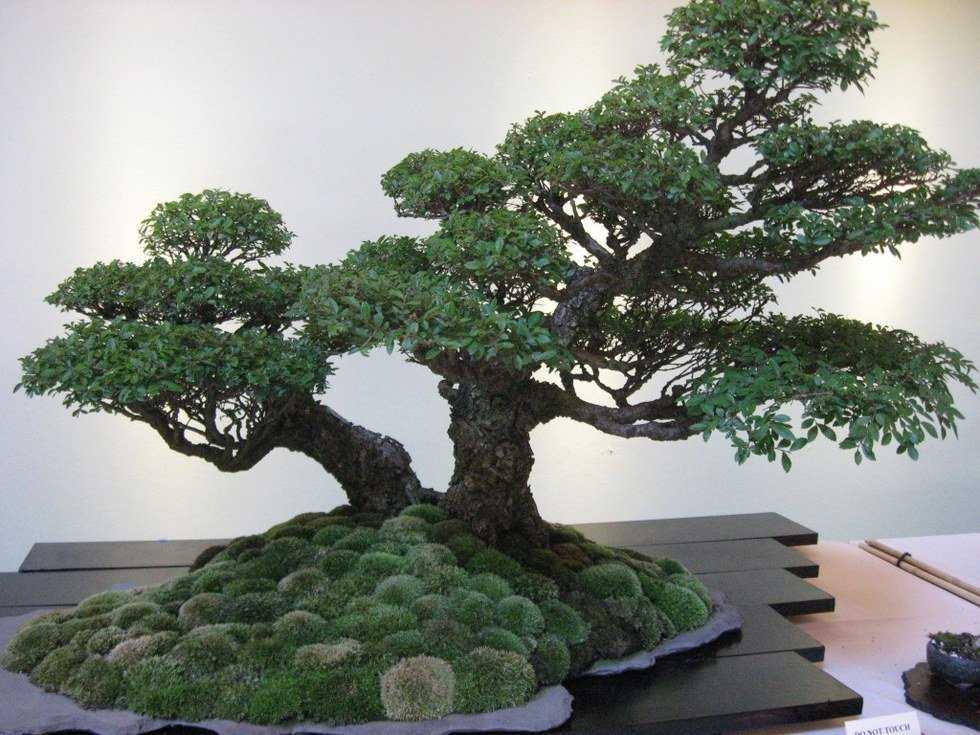
The Bonsai
Imagine an awe-inspiring and ancient, twisted tree. A tree which carries in its branches the history of civilizations. Its leaves have shaded the brows of dignitaries and peasants alike. Its roots have sheltered generations of spirits... Now shrink that tree down to the size of an iPad mini, and you will have the bonsai. The art of bonsai care is a Chinese and Japanese tradition, which, sadly, I have never mastered. My mother acquired a bonsai for “good luck” and promptly set it outside to grow in the sunshine, where it thrived in the mild San Diego climate. An unobtrusive houseguest, it required only a little amount of soil and never encroached on other spaces by outgrowing its pot. Unfortunately, it was a rather thirsty plant and became a leafless branch when we forgot to water it. Hopefully it’s been reincarnated into an actual tree. Should you welcome this plant into your room, give it as much sunlight and water as possible. Shower it with love and occasional pruning, and perhaps take up the meditative art of bonsai.
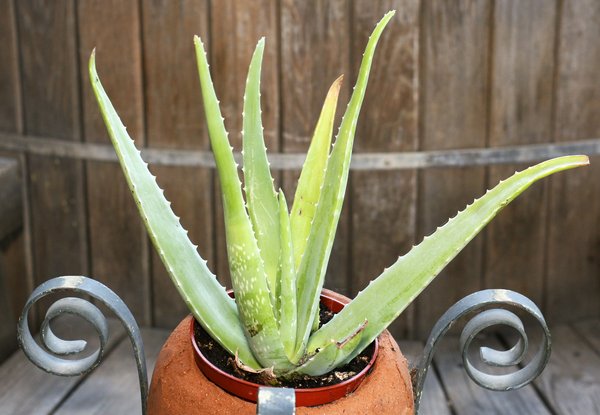
The Aloe Vera
Aloe makes a useful but mysterious roommate. Known in ancient Egypt as the “plant of immortality”, some claim aloe can combat gum and teeth problems, high blood sugar levels, and even digestive problems. While I cannot vouch for these cures, I can report from experience that aloe leaves really do soothe sunburns. The aloe plant took up residence outside my window in some unforgiving, dry soil, but that didn’t deter it from swiftly outgrowing its pot. In fact, it seemed to shrivel from even the occasional offer of water -- so the drought suits it well. Rooming with aloe indoors may be difficult, as it grows quickly with almost no care at all - so prepare a large pot. I have the utmost respect for aloe’s scary self-sufficiency. Its spiny, hardy leaves can be intimidating, but aloe’s utility will win you over.
These are only three of the many stationary sidekicks I’ve cared for. Perhaps some other day I’ll detail the fragrant rosemary, the lucky bamboo, and the resourceful cactus. Until then, if you are self-diagnosed “black thumb”, don’t worry. These plants are generally very hardy and easy to host on a budget. But should all else fail, take heart -- there’s no shame at all (well, maybe a little) in going for the fake ones.(Note: I reported my own gardening experience, but official details for the care of these plants were found at GardeningKnowHow.com, BonsaiBoy.com, and AloeVera.com.)