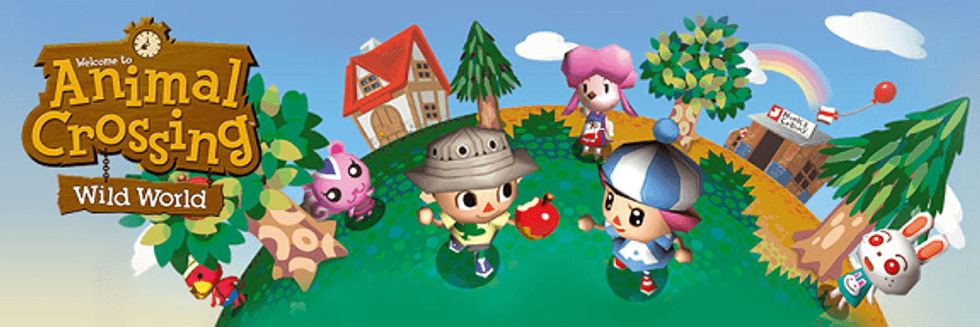
Being part of a generation that grew up with video games, I can say that for myself and many of my friends, there are some games that affected us greatly. Even though Pokémon and Sonic the Hedgehog were fantastic, the one that stands out as the most useful to me now is Animal Crossing: Wild World. For those who don't know, in Animal Crossing you play as a human "villager" in a town with talking animals and you build a life for your character there. Whereas some games only taught me how to entertain myself, this one taught me how to deal with different aspects of life:
Taking care of responsibilities
When I started the game, I was given two primary objectives that stayed with me throughout most of the game. One of them was a mortgage on my house that I could make payments on throughout the game until it expanded with more rooms and, eventually, another floor. While figuring out how much money to spend on my mortgage and how much to keep, I was learning money management skills. Having to a decide between a new shirt and paying off my debts only seems to get more relevant as time goes on.
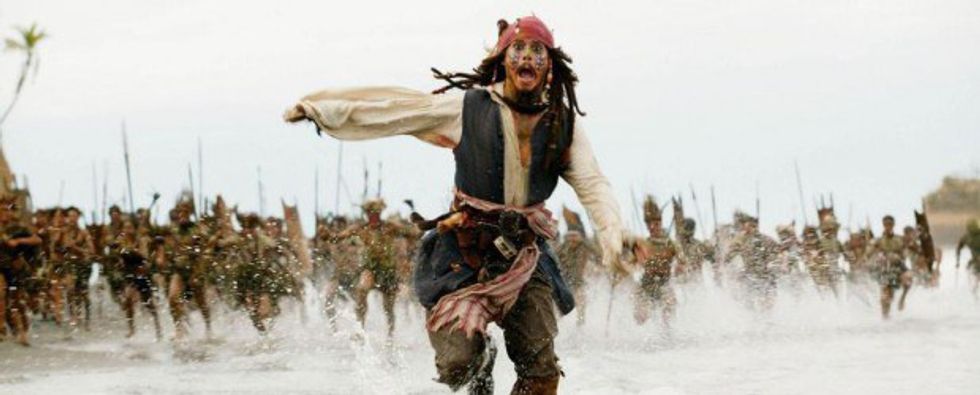
Because Captain Jack's plan can only work for so long.
The second objective of the game was to take care of the city and its residents. This included helping some of the citizens out with little things: picking up weeds that grew in real time, and cleaning up the trash that was left around the city because even the worst types of people exist in a Nintendo game with talking animals. Throughout the endeavor of trying to keep the town presentable, I learned the importance of responsibility and consistency. If I stayed away from the game too long, weeds would infest the town and people would start to move out, being replaced by strangers. There are only a few things stronger than the regret of coming back to your town to find out that your favorite citizen was moving away.
Except for the pain of a dead Tamagotchi. That transcends it all.
Learn how to interact with nature
In Animal Crossing, I caught bugs and fish that appeared at the times of day and year that they would normally be out in real life. Additionally, the presence of flowers in the town was a significant input to the residents' comments on it. Plus, experimenting with placing certain flowers next to each other even resulted in a number of hybrid species of flowers that I couldn't buy anywhere in the game, giving me a brief intro to the beauty of Mendelian genetics.
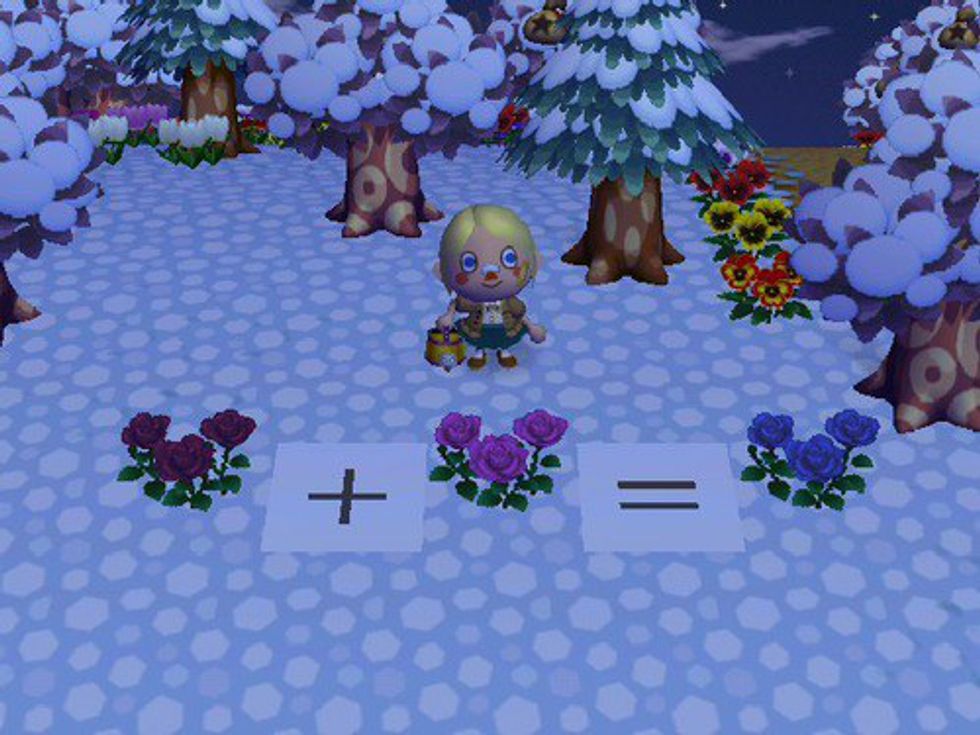
Bill Nye would be proud.
But more importantly, I could cut down trees to free up space and/or get the fruit from them. However, leaving the fields barren of trees would leave the town without fruit and leave bugs without trees to land on so that they could be caught. I would then have to go back and plant trees or fruits to rejuvenate the city, teaching me about how quick natural resources can disappear, destroying habitats for organisms and wasting resources.
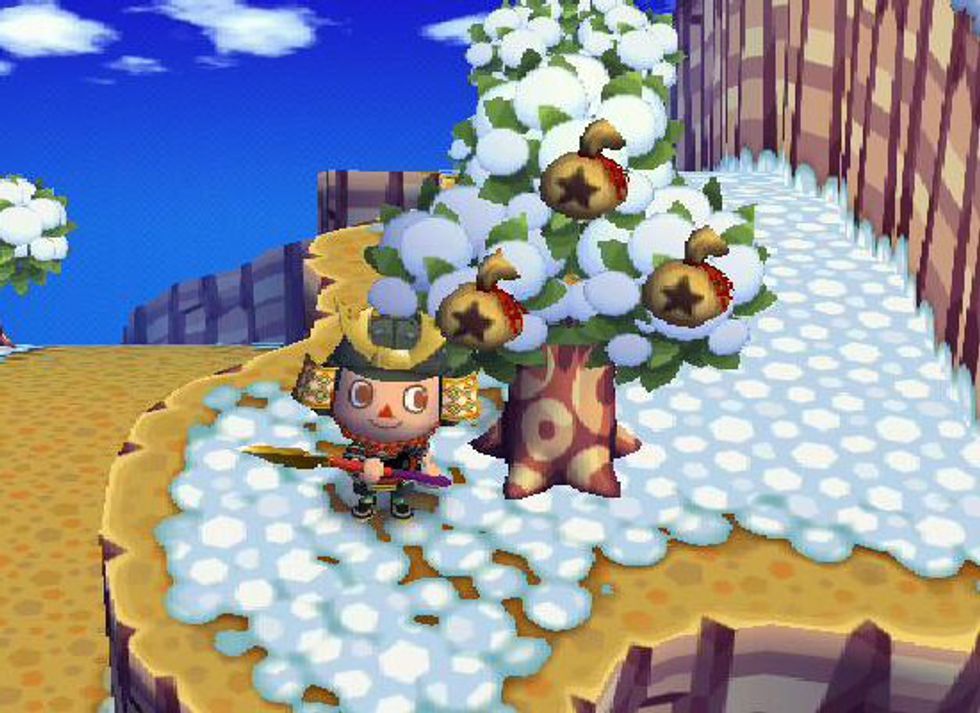
Plus, money literally grows on trees here. Why not grow them?
Creativity is essential
One of my favorite parts about Animal Crossing was that it also taught me that being creative with my life and living it out my way is acceptable and awesome. The actual objective of the game is to simply live life as if I have control over the place I am in. I planted whatever trees/flowers I wanted wherever I liked to; I rearranged my house to fit all of the stuff that I bought or collected to fit my style, and I also made my own designs for my shirts and made up a sweet outfit to go with it. I had the freedom of owning a house in a small town without the more serious, real-life responsibilities that go along with it.
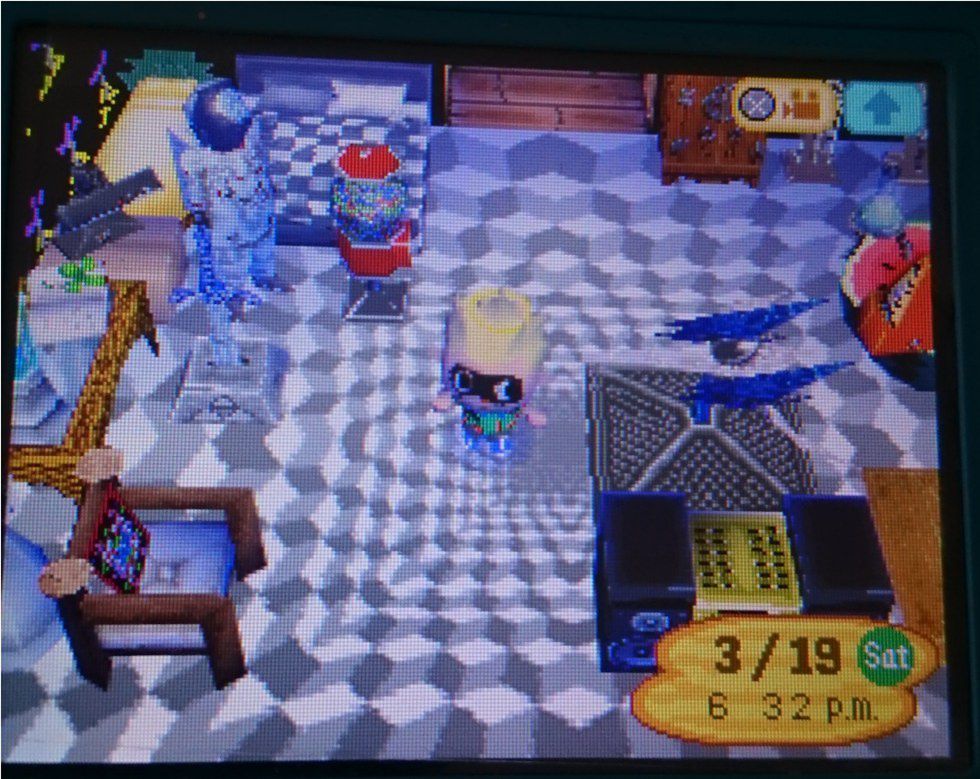
You're looking at a part of the inside of my teenage mind.
Animal Crossing taught me about responsibilities, relationships, a bit of environmentalism and expressing myself in many forms. Due to all of the time I may have spent trying to make my town look perfect, at least, one of those lessons must have stuck with me throughout the years. Hopefully, it was the money management because mortgages and debts are becoming all-too-real, all-too-quickly and I can't plant a bag of money in real life.