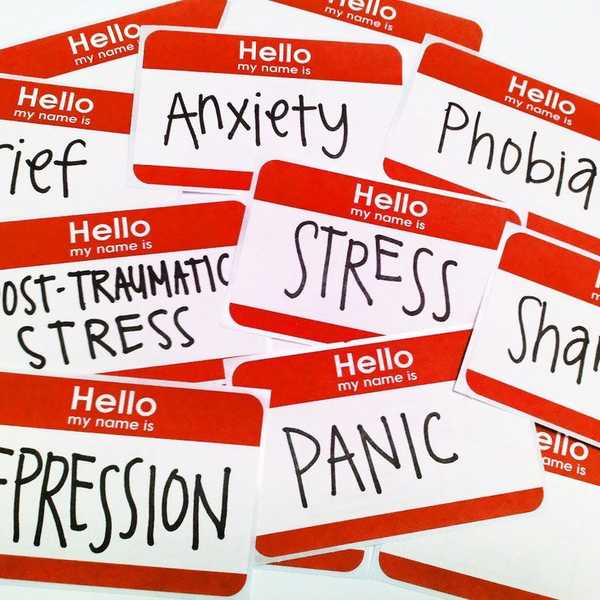


I never once sat through a lecture in high school that discussed mental health in general, what to do if you needed to talk to someone about your mental health, or the fact that having poor mental health does not make you bad or inadequate. Instead, it was shoved under the metaphorical rug, just like discussions of safe sex, poverty in our school, tolerance, or any other topic that made us uncomfortable, and we continued on in the safety of our little bubbles.
Except for those who didn't. Just like anything else, avoiding discussions on mental health doesn't mean everything is ok; it doesn't mean they aren't discussions that need to be had. Rather, those who found themselves in poor mental health often had a less than ideal understanding of their situation, and many felt like pariahs in our micro-society. Yes, we were given "coping skills" for stress before our big tests, but we never learned how to cope with real issues: grief, anxiety, mood disorders, depression, behavioral disorders, and so many others. If you found yourself suffering from one or more of these, you were pegged as "different" and given no information from which to learn to help yourself. These are commonly seen as the cases of teen suicide, withdrawal, acting out, fighting, drug and alcohol abuse, and other delinquencies. The cries for help.
The issue is not resolved there, though. Students continue out into the world, and they face new challenges. On my college campus, I still see many students who have poor or almost no understanding of mental health, and many feel ashamed if they find themselves in a less than perfect mental state. I see students who were never taught how to talk about their mental health being crushed under the newly severe stresses in their lives. Relationships become serious, some students begin to engage in sexual activity, and with that, come some students who are careless and reckless, and this can be triggering for some in a way they never before experienced. That also doesn't include students who begin to suffer due to sexual assault. Students worry about their physical image, and eating disorders are more prevalent than you might imagine. Students worry about how to make rent, how to get their next meal, how to find a job after graduation.
They are dealing with all of this, often without skills or knowledge of who they can go to for help, all because we refuse to talk about it. And why? Out of fear? For a sense of comfort? To create an image of perfection for others to see?
We are perpetuating poor mental health by refusing to address a problem that is more common than we choose to accept. We must begin to discuss mental health in the same way we would physical health. We can not continue to let people suffer in silence, but instead we must validate them in their illness and help them to find resources. We must open this discussion to encourage our society to see that poor mental health is not something to fear. We can change the future for generations to come.