Yes, I know that it's fake. I'm sure that just about every wrestling fan (or former wrestling fan) remembers the time when they found out.
Personally, I found out when I was eight-years-old. It was a very dark time for me, and wrestling was never the same again. By the time I got to college, it had been years since I had watched an episode of "RAW" or attended a live show. It was a silly, fake sport, only to be enjoyed by prepubescent children and crusty middle-aged people.
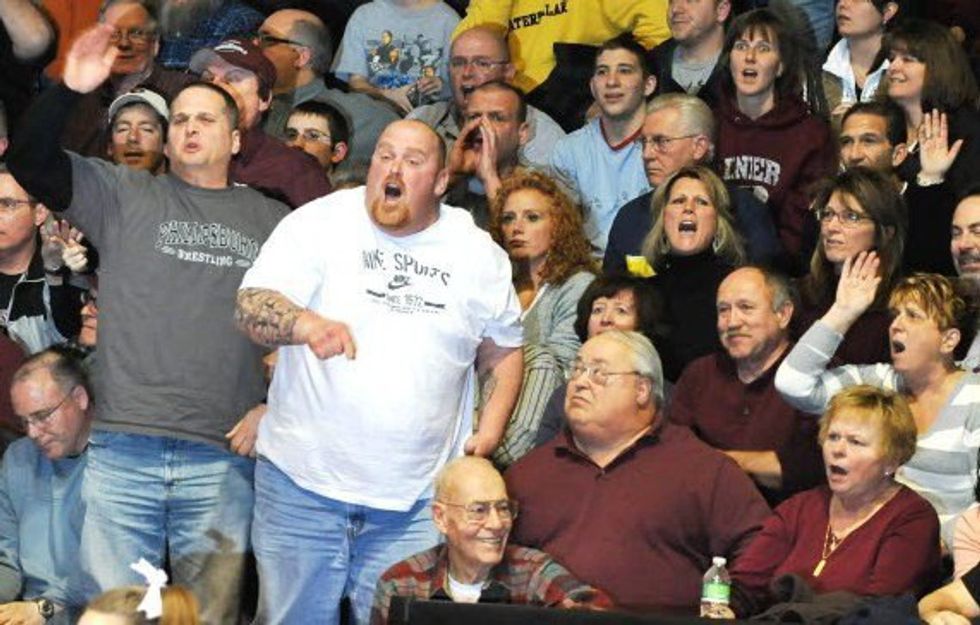
But the truth is that wrestling is a lot more than that, and to write it off as "fake" or "silly" is to miss the point of it completely.
When people say that wrestling is fake, they mean that the outcome of each match is determined in advance. This much is true. But what people miss is that professional wrestling is actually highly competitive. It's easy to miss this because the competition is not between the two wrestlers fighting in any given match, but between each wrestler and every other wrestler in the organization. Everybody is competing to be the most exciting, the most charismatic and the most memorable. It's not about defeating the other wrestler; it's about putting on a good show.
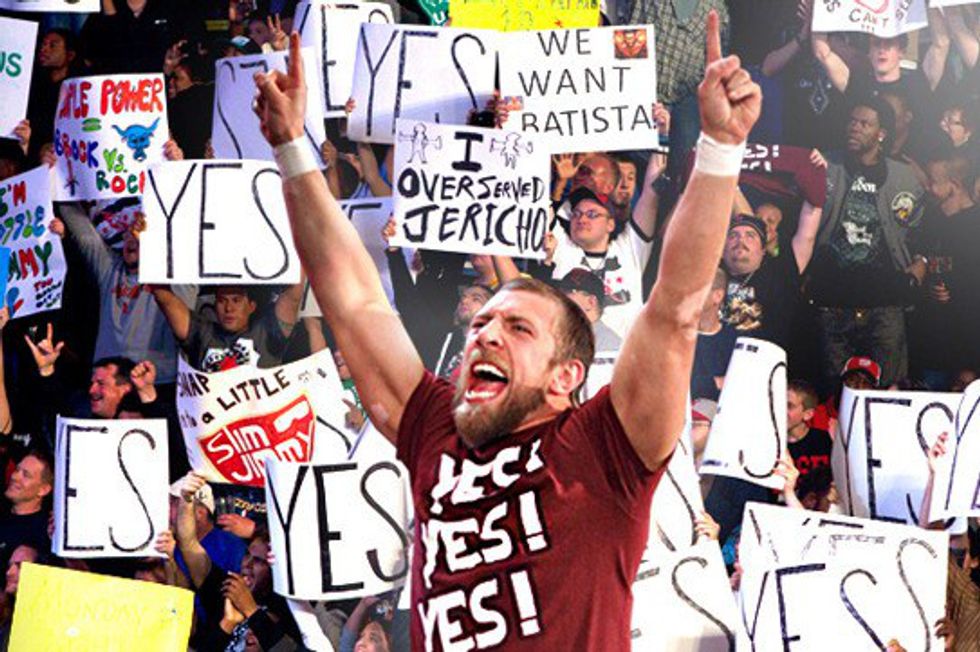
The recently-retired Daniel Bryan was not a great wrestler because he always won, but because he inspired people to cheer for him regardless.
But the biggest issue I have with the "fake" criticism is that almost everything else we watch on TV is much more fake. Compared to a regular TV drama, wrestling is about as real as it gets. If you've ever tried to land a suplex on your friend without either of you getting hurt, you understand what I mean. The fact is that professional wrestlers have to go through years of training in order to achieve the things you see on TV.
In reality, there's very little that's fake about a wrestling match. It sounds obvious, but every time you see somebody perform a moonsault, for example, it means that somebody has actually performed the incredibly dangerous stunt known as a moonsault. Whether or not anybody gets injured due to said moonsault depends on the skill and training of the wrestlers performing it, and little else.
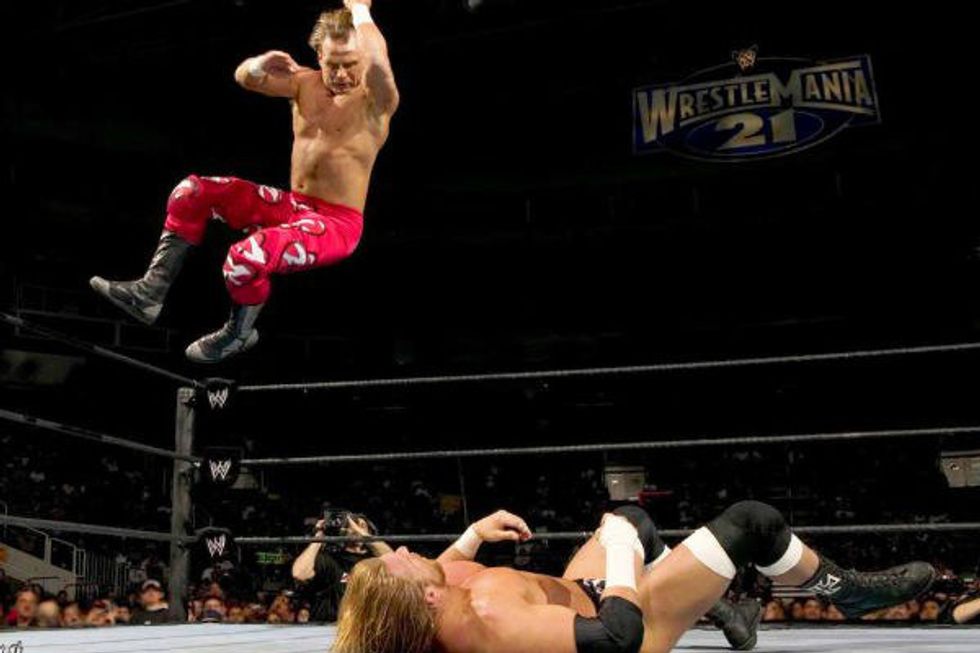
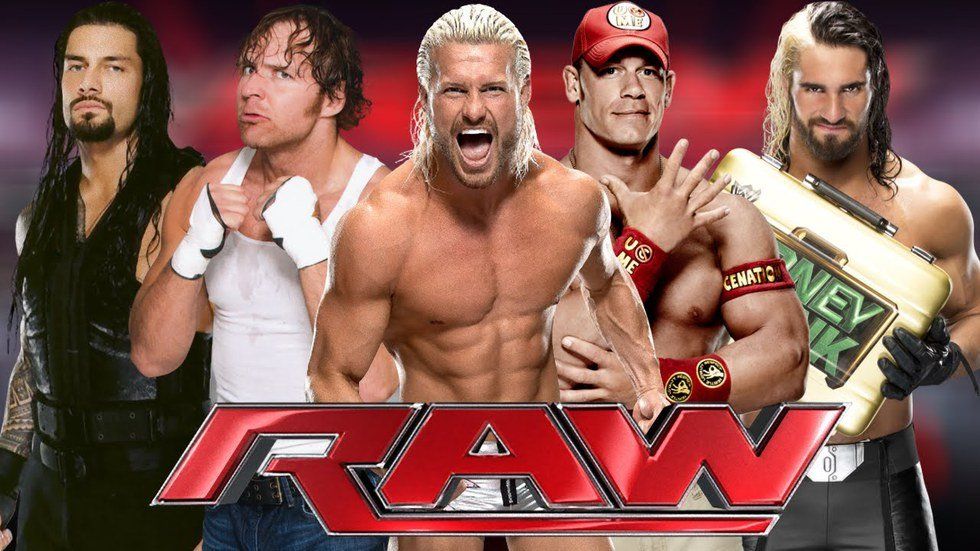
More than just a series of cheesy, choreographed fights, an episode of Monday Night "RAW" is an elaborate theatrical experience that plays with our expectations at every turn. As viewers, we all know that the wrestlers have a script to follow. But a wrestling match differs from an ordinary action scene when we realize that things can - and often do - go off the rails. Accidents, "botches" and improvisation are all huge parts of the show that make it worth watching
Accidents aside, the outcome of a good wrestling match will be absolutely impossible to predict until the bell rings and the ref gets a three count. In fact, this unpredictability is one of the main things that diehard fans will look for to decide whether a match is good or not. If even the most cynical WWE veterans (read: most of my college friends) can't tell you who's going to win the match, then you know you're watching a good one.
To conclude my defense of professional wrestling as a worthy and respectable form of entertainment, I will use the example of the People's Elbow:
I believe that this move, the Rock's finisher, perfectly sums up professional wrestling's appeal. He pops up, gets the crowed hyped, bounces off the ropes, and then... well... he just kind of lands on the other guy. With his elbow
In reality, it's not a very impressive move. But in wrestling terms, the People's Elbow is extremely powerful, and often ends the match immediately. That's because, in the world of wrestling, power doesn't come from the moves themselves, but from the excitement that they generate from the people. The People's Elbow isn't a good move because it hurts, or even because it appears to hurt, but because it fulfills the ultimate goal of professional wrestling: to make the crowd go wild.