
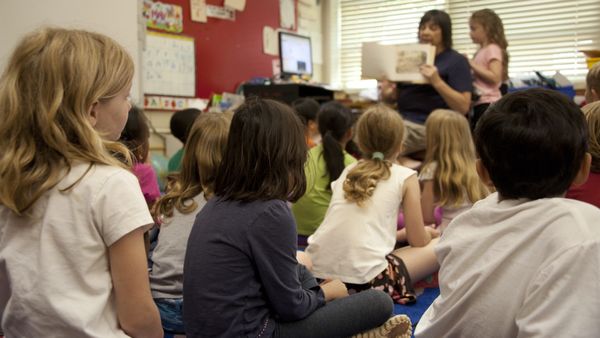
From the fourth grade all the way through high school, I attended schools in the suburbs. In fact, some people might consider me pretty privileged based on the reputation of the school district I lived in. It was not uncommon for me to pull up to a million dollar home when I slept over classmates' houses and my high school had flat screen televisions at the end of every hallway. Every year I was given a stack of shiny textbooks and there was a SmartBoard in every classroom. I won't deny the fact that I was very fortunate to attend such schools. In the game of educational inequality, I had just so happened to be dealt the "good card." I believe that the schools I attended and the quality of education that I received had a lot to do with how I got to be where I am today-- in a private 4-year college. Another educational opportunity that I am very appreciative of being able to have had. Still, that doesn't mean that I don't believe I had somewhat of an unfair advantage compared to students in far less affluent areas.
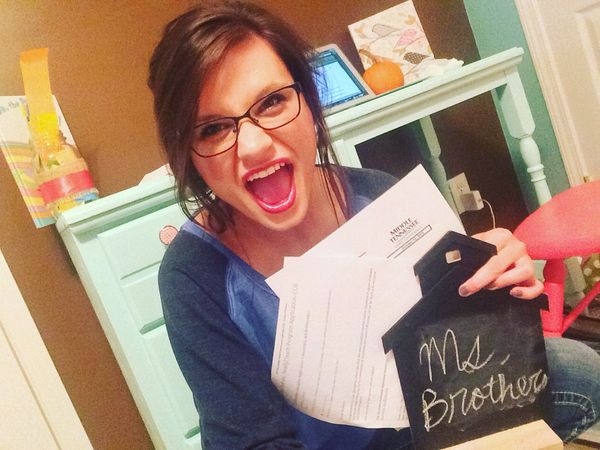
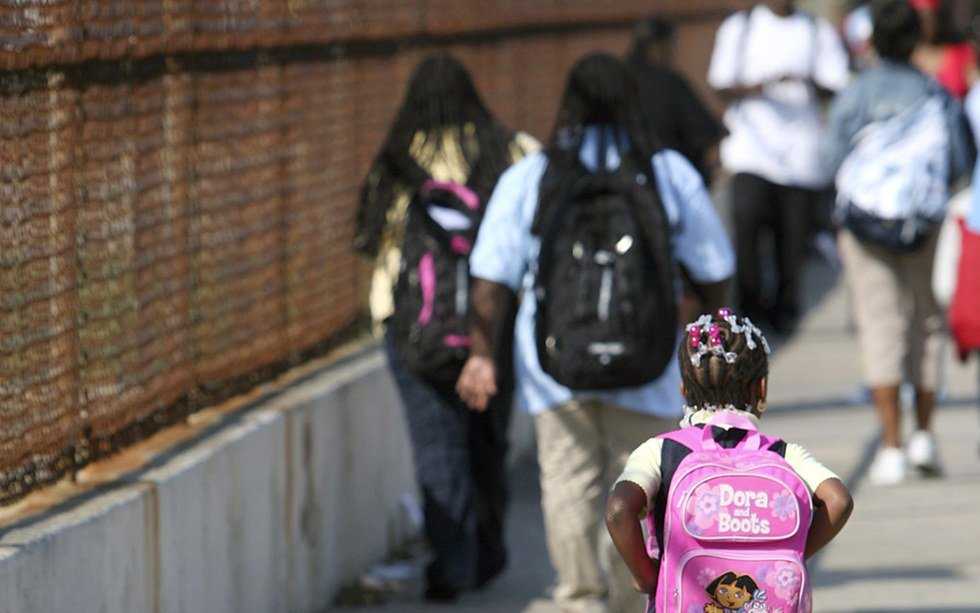
So my sophomore year of college when my Education professor asked me where I wanted to teach someday, some might wonder why "in inner city schools" naturally flew of my mouth. What the heck did I know about inner city schools? I had never attended one. In fact, at that point in my life I had never even been to one. However, I did know I had a purpose in life. A purpose to teach children. And to me, that meant all children. As I read articles about the struggling education system in America's high-needs schools, I knew I could not ignore it. I strongly believe that every child in this country should have the right to a fair education. When I began to see news articles about schools with outdated and barely in tact textbooks, children walking around the hallways being considered Physical Education, and cafeterias that were feeding students rotten food, I knew that the education system in this country was very far from fair.
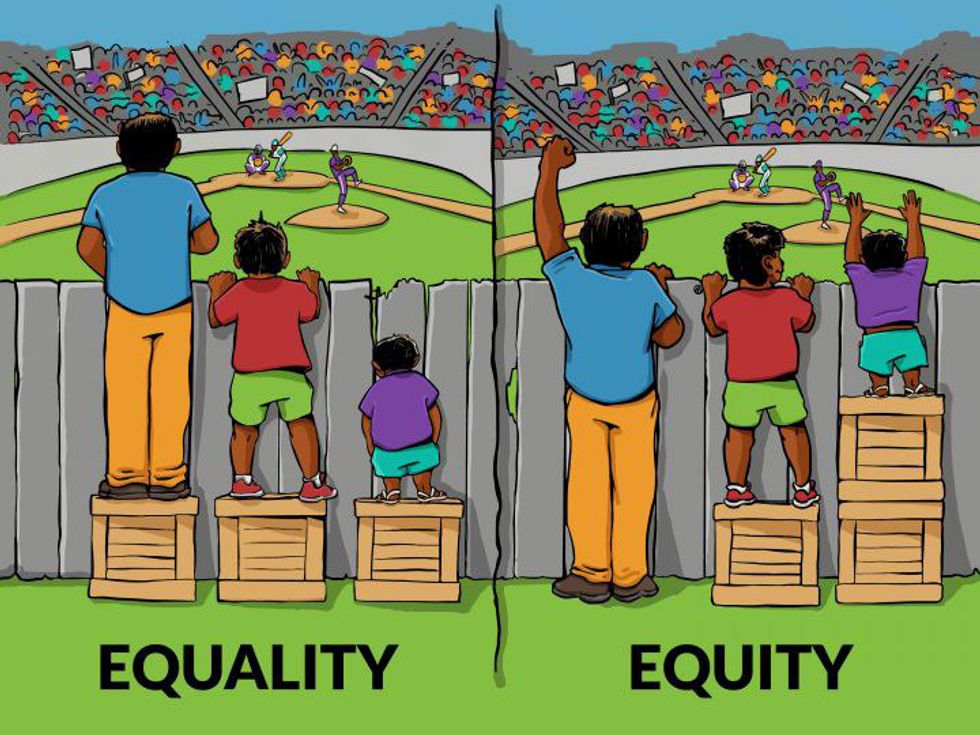
Knowing about the educational inequality going on just didn't sit well with me. Why should where you live determine the quality of the education you receive? That is when I knew that with the education I had received, I needed to be an advocate for others who weren't being given the same opportunity.
It's no secret that there is a shortage of teachers in high-needs schools and the teacher turnover rate in those areas is a persistent issue. People I know, even future and current educators, have told me the types of challenges I will face as a teacher in an inner city school. And while I can't deny that many of them are true, I know that cannot and will not stop me. I care about the futures of all children. Race, socioeconomic status, or geographical location will never influence that. So when asked where I wanted to teach, I said inner city because I knew that was where the love and compassion I had for children was most needed. Would it be easier for me to teach in a school similar to the ones I once attended? Probably. But when has teaching ever been an easy job?















