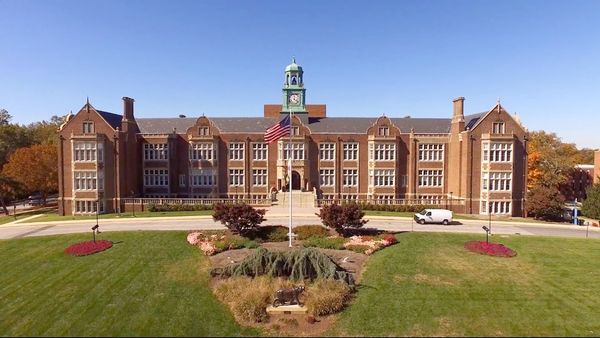


Science was, without a doubt, my least favorite subject in school. I struggled to pass every chemistry test and biology was always the most boring part of the day. When I decided to go to Johns Hopkins University, which is widely regarded as pretty much a med-school factory, I was more vehemently against studying medicine than ever before.
My parents were both doctors, and I had seen the unattractive side of it; the long nights studying for MKSAPs, the drudgery of paperwork, and late returns home, maybe even past midnight. Yet, somehow, one semester into college, I ended up pre-med.
Was it the money? Definitely not. Doctors don’t earn nearly as much as one would expect, and there are faster, less involved ways of getting rich that don’t include giving up natural sleeping hours and another ten years of your life in school.
Was it peer pressure? Maybe. Johns Hopkins isn’t as pre-med centered as I originally feared, yet at least half the people I knew were pre-med. Perhaps I didn’t want to somehow “fall behind them,” because at the very worst, at least pre-med gives your future a pathway. If I just stayed solely with my International Studies major, I had no idea whether I wanted to go to grad school, or what I would do after grad school.
Was it the prestige and the reputation? Ah. Doctors are one of those rare professions that are universally respected. But why are they universally respected?
Doctors are universally respected because they are universally good. Doctors strictly work towards the goal of healing someone physically, which is based solely off of objective science rather than subjective morality. A lawyer, for example, could save someone from death row by arguing a great defense case, but then protect a guilty offender if they were paid. But that means a lawyer’s morals are a bit gray area. They could be doing good or bad, which is all dictated by who’s defended and who wins the case. Doctors, on the other hand, always just try to heal the person, since that’s their job by definition.
On a more basic level, everything that a lawyer does is within the framework of physical life itself –– the simple ability to live at all. Society can’t exist if humans weren’t alive, so the fact that doctors can understand and fix the act of living itself is astounding.
However, the main attraction of being a doctor for me was still the forced “good” natured of it. Doctors can do good no matter what, due to the impartiality of the job. In contrast, charity work should never be forced, because by nature, charity is volunteer work, and volunteering means you feel passion about whatever you’re working with. But even if a doctor has no interest in the subject, has no morals, or doesn’t care about people, a doctor can still do good virtually by the fundamental nature of the job. The world always needs more doctors, so even if people who didn’t want to go into medicine ended up going into medicine, that would still result in more people getting healed.
Perhaps that’s arrogant and selfish; perhaps it’s somewhat “holier-than-thou”-sounding. But for me, I know that I do desire to do good in the world, and medicine is maybe not the most creative ways of doing that, but at the very least, it’s a definite way of doing it. That isn't the only reason, of course. But it certainly is one of them.