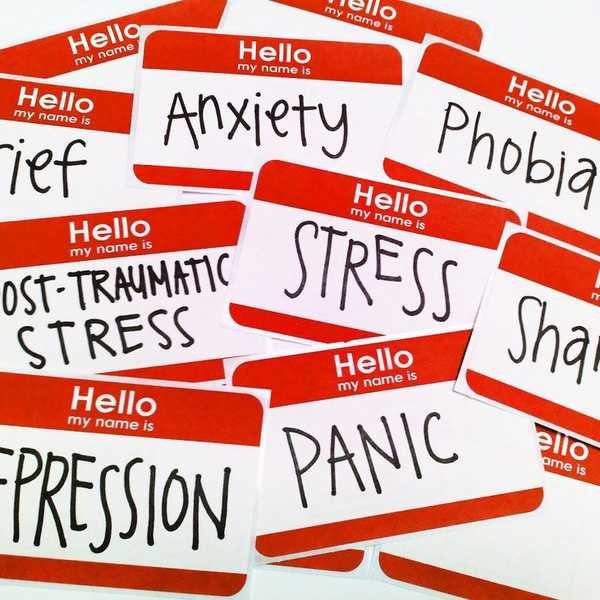


Stig-ma: a mark of disgrace associated with a particular circumstance, quality or person.
We hear a lot about stigma, and its relation to many topics, including one relation in particular: mental health. There is such a huge stigma attached to mental health, and there shouldn't be. Because of the set stigma on people who are diagnosed with mental illnesses or disorders, the people who have them feel scared and alone. It could prevent them from getting the treatment they need in order for it not to escalate.
Those who are diagnosed with mental illnesses and mental health problems are seen as "crazy" or "weird" by other people, kids and adults alike. And often, due to the negative perceptions of those diagnosed, they are fueled by the stereotype that they are ‘dangerous.’ The perception itself is brought upon by the media and how they illustrate a violent criminal as ‘mentally ill,’ without providing the context of the broad spectrum of mental illness.
The media is huge factor in why there such a stigma in mental health today. But there should not be a stigma at all in mental health. It shows those who are mentally ill could be dangerous to themselves and to society.
But the stigma is preventing those who are mentally ill, help in treating exactly what they have. There are many different types of mental illnesses and disorders, such as anxiety disorders, personality disorders and depressive disorders. And not all of the mental illnesses could affect a society as a whole. Mental illnesses are often seen as 'invisible disability.’ In definition, an invisible disability is ‘a physical or mental impairment that substantially limits one or more major life activities; has a record of such an impairment; or is regarded as having such an impairment.’
However, the stigma that is perceived by society is called a social stigma. There is another stigma, called ‘perceived stigma’ or ‘self-stigma.’ This kind of stigma is the internalizing by the mental health sufferer of their perceptions of discrimination that they face. Because of the social stigma placed on the sufferer, they are internalizing the negative beliefs of their disorder and experience feelings of shame, anger, hopelessness, or despair that keep them from seeking social support, employment, or treatment for their mental health conditions.
And it is both stigmas in which it is hurting the one who is suffering the most. Without support or treatment, there is not a lot they could do. And with the self-stigma, the sufferer may actually start to become dangerous, either to themselves or to society.
Stopping the stigma on mental health would solve so much that is going on in society today. It sets those apart from the rest of society, leaving those who have mental disorders alone, scared and vulnerable. They already feel that way, but we should not have them feel that way. They are human beings, just like us.
Stopping the stigma on mental health will benefit everybody. The ones who are mentally ill should not be afraid to talk about their diagnoses to others, and they should get a chance to become a better version of themselves. With the perceived social stigma that is laid upon them, it is harder for them to get help when they need it the most. Without the stigma, they would become more willing to make themselves better and show the world a better version on them.