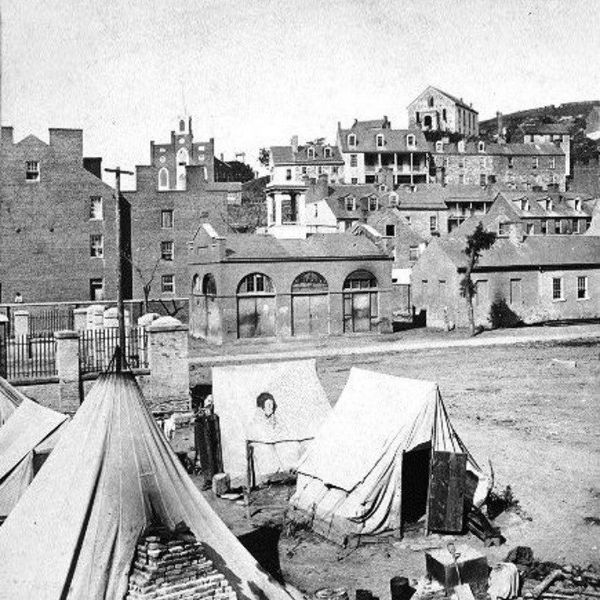

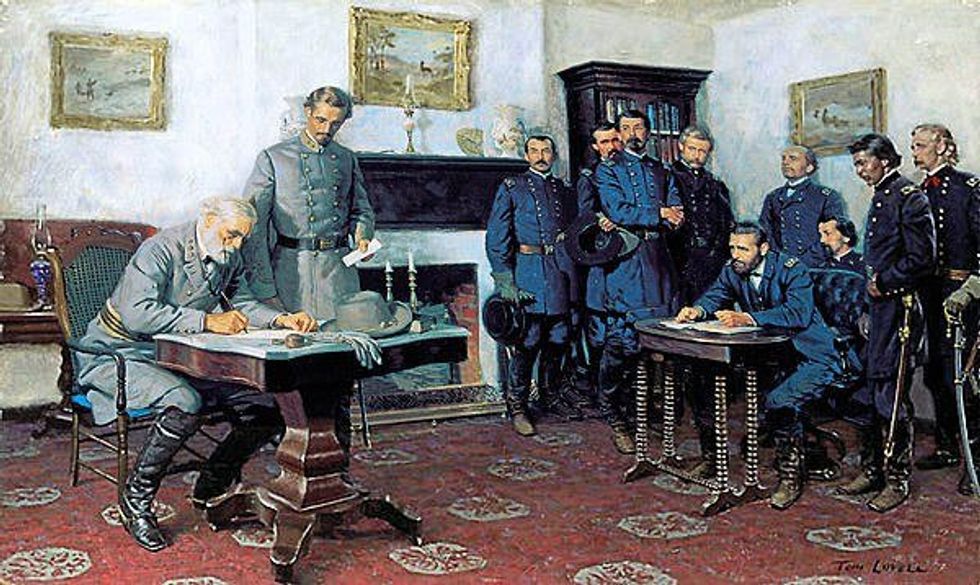
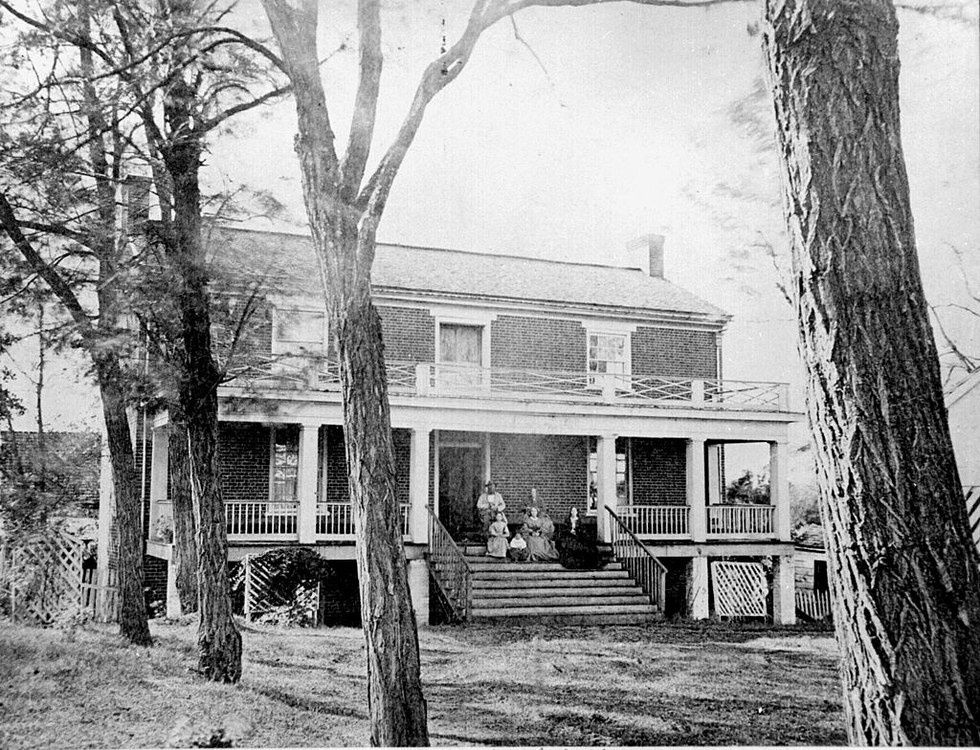
On April 9, 1865, Robert E. Lee and the Army of Northern Virginia surrendered to Ulysses S. Grant and the Army of Potomac at the McLean House in Appomattox Courthouse, Virginia.
Although there were still standing armies in the Confederacy, Lee's surrender effectively ended the hostilities of the Civil War. On April 26, Joseph Johnston surrendered the largest Confederate force to William Sherman at Bennett Place in Durham, North Carolina. On May 9, President Andrew Johnson declared that armed resistance had virtually ended, and President Jefferson Davis was captured the next day. Finally on August 20, 1866, President Johnson signed a proclamation that officially ended the Civil War.
Despite the clear evidence that the Civil War is over and the Confederacy lost, people, to this day, claim that the South will rise again. One of the reasons behind these false beliefs is the Lost Cause of the Confederacy. The Lost Cause was created immediately following the end of the Civil War as a way to console the defeated South. Southerners believed, and still believe, that the honorable ideals of the antebellum South were defeated by overwhelming odds and brute force, and that it was out of their control. Another key aspect of the Lost Cause is downplaying the cause of the Civil War: slavery.
The purpose of the Lost Cause is to portray the Confederacy's defeat as honorable. The only way for this to happen is for Southerners to deny the fact that the primary motivation for going to war was the preservation of slavery.
People, then and now, will argue that the South was forced into war with the North in an effort to defend states' rights, even going as far as calling the Civil War the War of Northern Aggression.
This statement is just inaccurate. It is very obvious that the South went to war in order to keep millions in bondage. The state right which they sought to defend was just that, the right to preserve slavery. The word slavery is never mentioned in the Constitution, but its existence is alluded to multiple times. The most clear example states that Congress cannot prohibit the, "Migration or Importation of such Persons as any of the States now existing shall think proper to admit," until 1808. This passage obviously prevents Congress from abolishing the Atlantic slave trade, which was abolished on Jan. 1, 1808. Since the federal government did not endorse the institution of slavery, it is believed that the ownership of slaves is a right of the states. Therefore, when the Confederacy went to war, they were defending states' rights, but believers in the Lost Cause fail to mention it was the right to hold slaves.
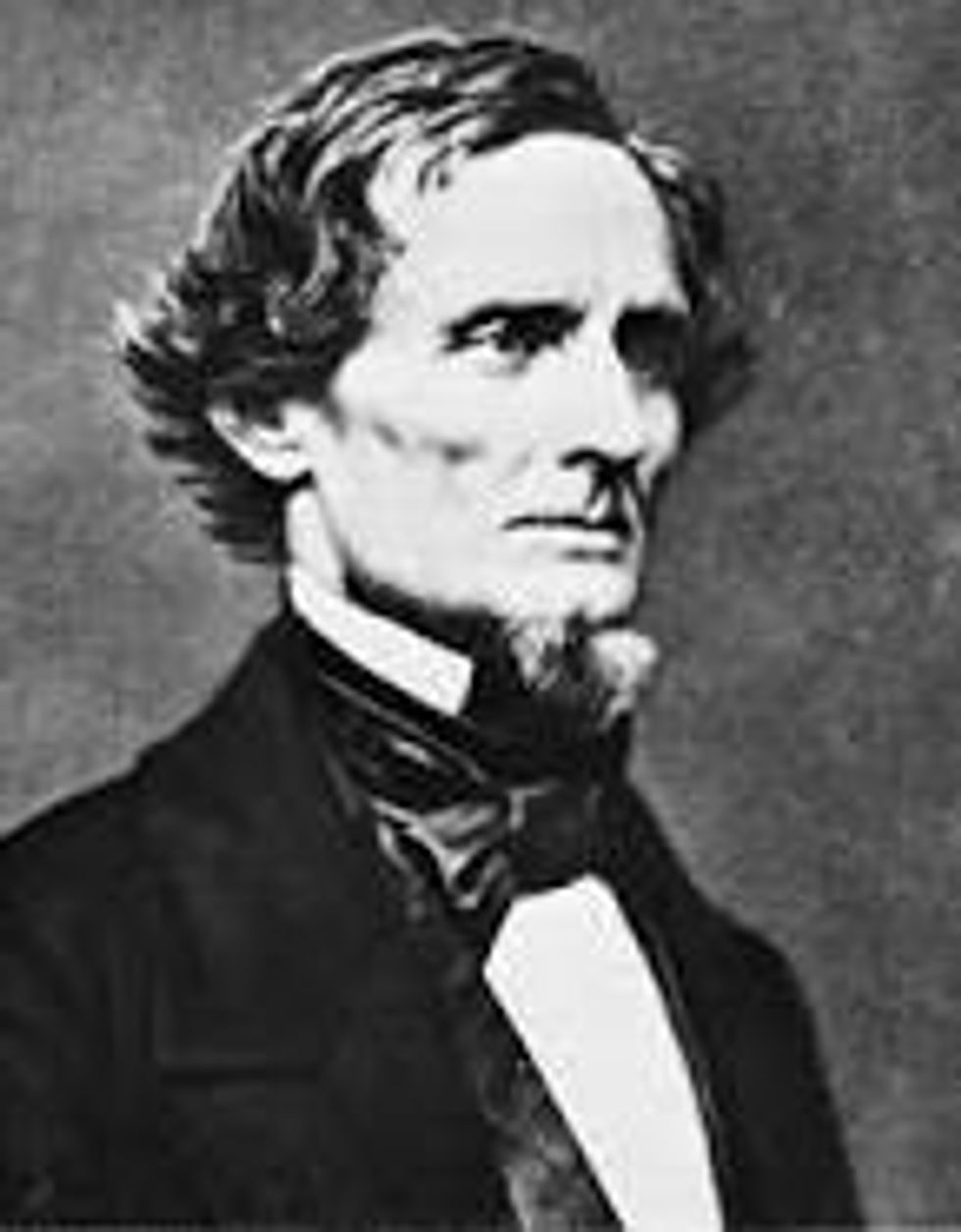

Some people refute the importance of slavery in the Confederacy's motivation for war by citing Jefferson Davis' inaugural address. Davis focuses on the intrusion of the rights of the states by the federal government, and never actually mentions slavery. However, he does mention that the Confederacy's main interest is the export of a commodity (cotton), and that there should be few if any restrictions on the export of the commodity.
Abolishing slavery would restrict the export of the commodity, because the South relied on slave labor to produce it. However, if you believe that Jefferson Davis was not alluding to slavery, and his focus was states' rights, I shall mention Confederate Vice President Alexander Stephens' infamous Cornerstone Speech. In his 1861 speech, Stephens describes the new Confederate Constitution and the cause of the "new revolution." He states, "African slavery as it exists amongst us the proper status of the negro in our form of civilization...was the immediate cause of the late rupture and present revolution." There you go.
The vice president of the Confederacy clearly says that slavery is the cause of the Civil War. He later goes to talk about the new Confederate government and says, "Its foundations are laid, its corner-stone rests, upon the great truth that the negro is not equal to the white man; that slavery subordination to the superior race is his natural and normal condition." Slavery is the cornerstone of the Confederacy -- that does not seem like an honorable cause.
Now why would Davis say one thing, and Stephens say another? Davis was a much more reserved man, where Stephens was fiery. At the time of both of these speeches, only seven of the 11 Confederate States had seceded from the Union. Davis chose to be conservative, so the other potential states that would secede would not change their minds.
Lincoln would do the same in his inaugural address. Speaking directly to the South and the border states, Lincoln ensured that he did not intend to interfere with slavery where it already existed. Once he was sure the border states would not secede, the goal of the war changed from preserving the Union to abolishing slavery.
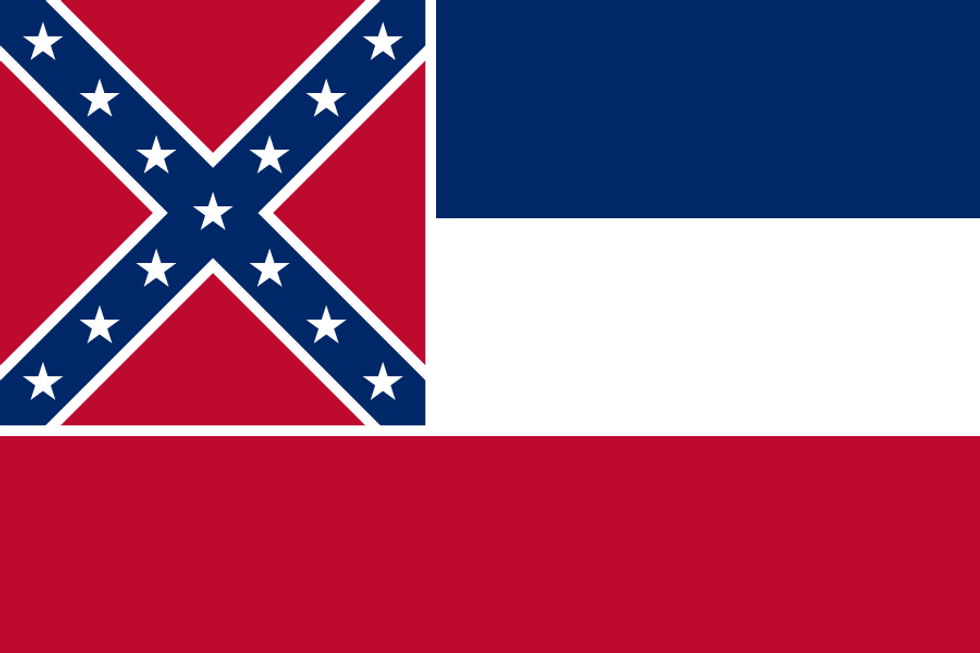
Unfortunately, the South still believes that the Confederacy's cause was honorable, and the ideal society of the antebellum South was destroyed by the overwhelming numbers of the North. The foundation of the South's ideal society, famously portrayed in the book and movie "Gone With The Wind," was slavery. Slave owners wrote that even slavery was benevolent, but slave narratives tell a different story.
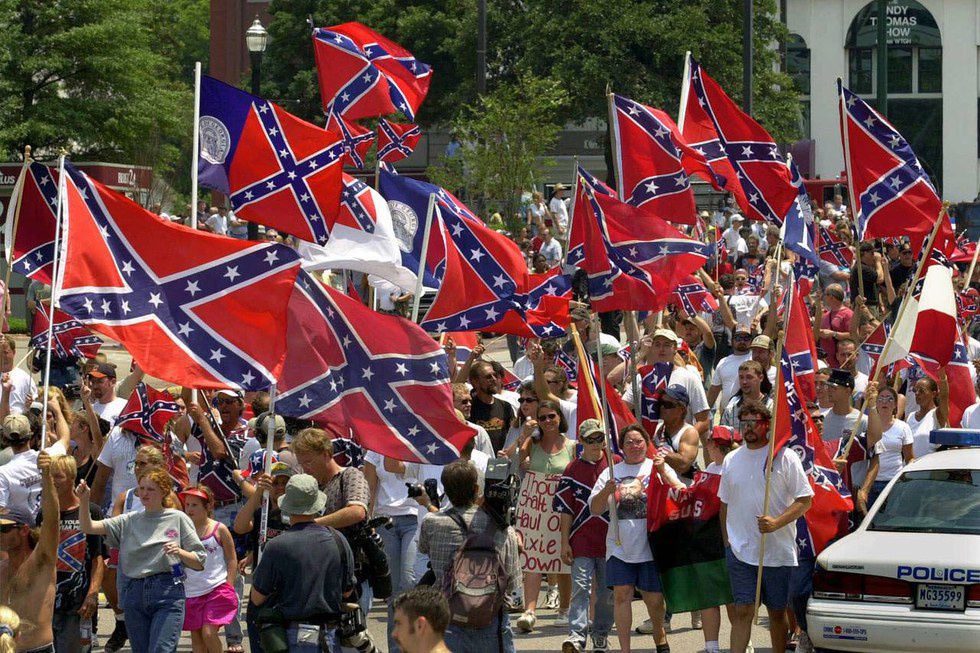
Did the North overpower the South? Yes, but the motivations behind the South's destruction was preserving the Union as well as abolishing a cruel institution. The antebellum South that many believe will rise again was destroyed in 1865, and has bettered the United States. The persistence of a Lost Cause has only continued the belief in white supremacy, and has caused race violence. The Civil War is over, the South lost -- accept it, and yes the Mississippi flag that contains the Confederate battle flag (pictured above) should be removed and change. The proper place of the Confederate flag is at museums and Civil War battlefields, not flying over a state.