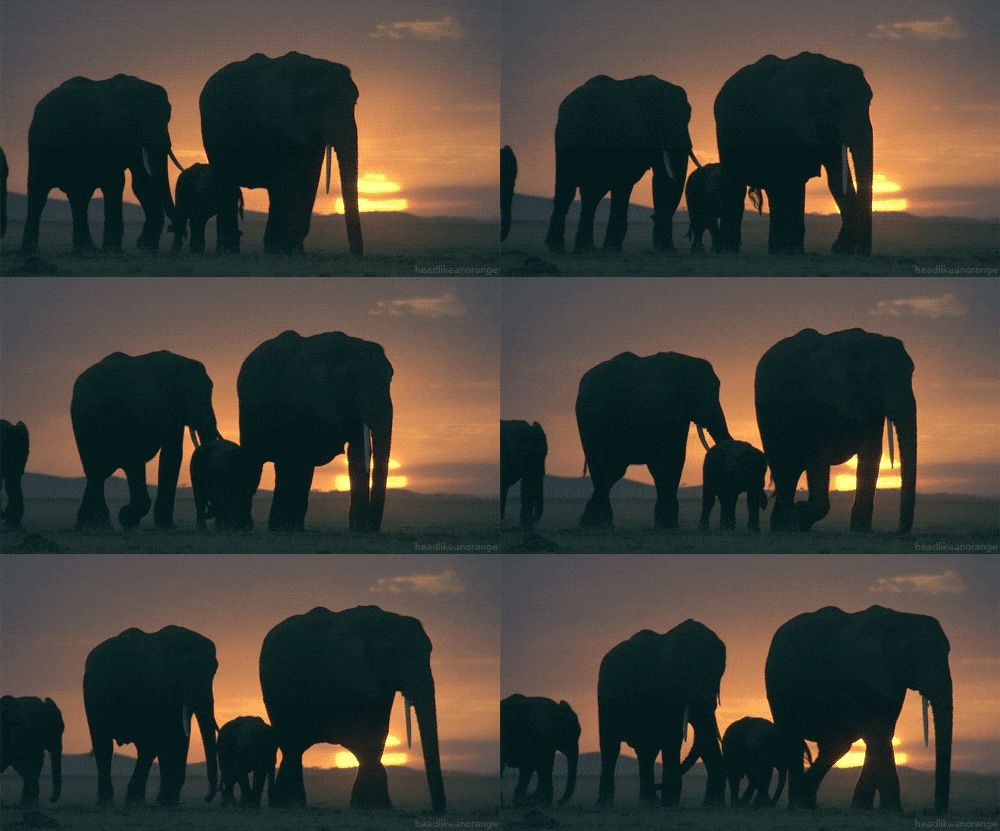

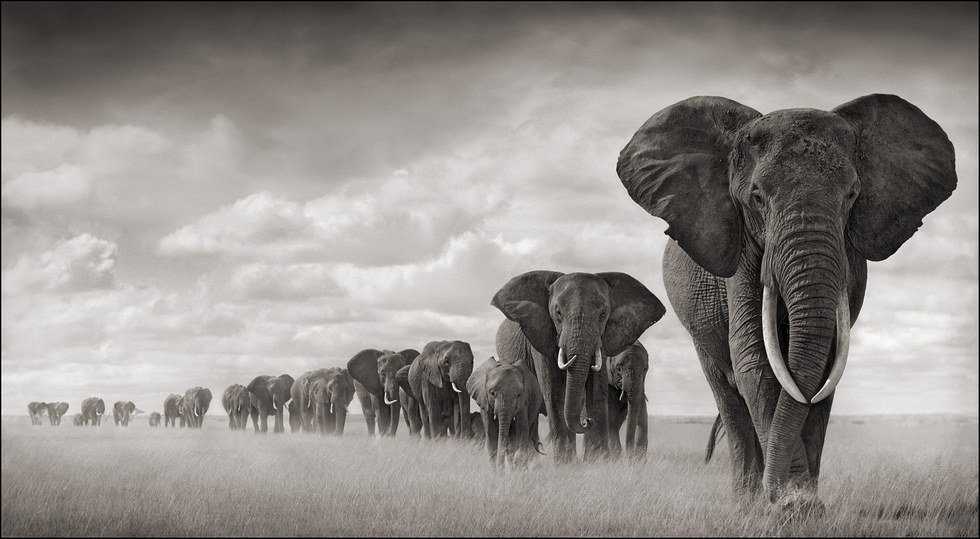
An elephant is not your ride, painter, entertainer, and least of all your wealth. These graceful giants are animals that humans have admired for thousands of years but are unfortunately on the brink of extinction in the wild, where there are only about 450,000-700,000 African Elephants and 35,000-40,000 Asian Elephants. These magnificent mammals spend their freedom, roaming miles of land in giant herds, led by a matriarch. They form deep family bonds and eat hundreds of pounds of pants in a day. However, they are captured, abused, or killed far too often.
Elephants have had relationships with people since they were used in warfare to carry heavy weaponry before machinery was invented. However, they are still largely used today solely for human entertainment. Because these animals are so intellectual they can provide an immense amount of entertainment including painting, giving rides, standing outside temples, and performing in circuses.
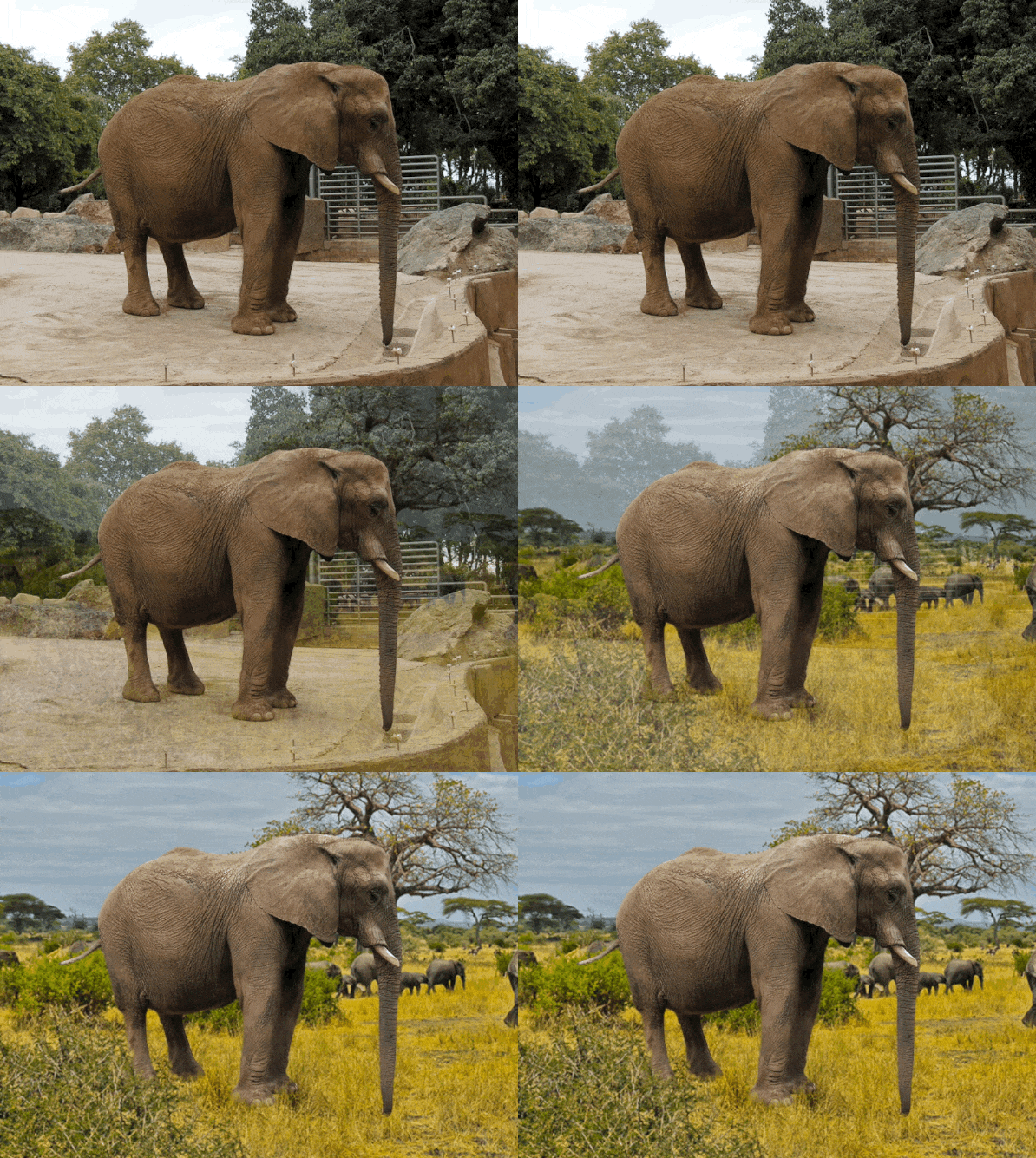
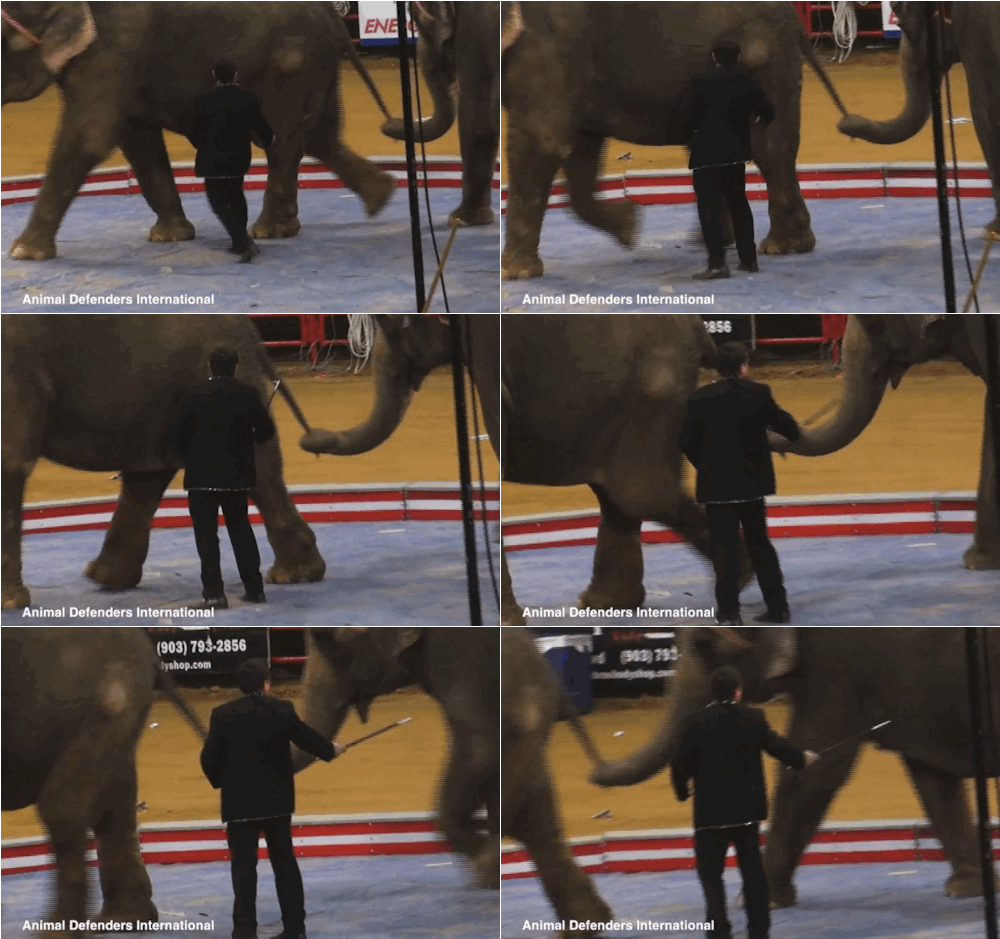
In places like zoos and circuses, elephants are jabbed with bullhooks. These long sticks with sharp ends are jabbed into sensitive areas of the elephant’s body to invoke fear. This fear ensures the animal’s cooperation with what the person wants the elephant to do (i.e. paint, sway, stand on hind legs, etc.) and thus, removes any of their independence and freewill which are extremely important in elephant societies. This pain is not only physical, but also emotional. Elephants are very social creatures and therefore, share solidarity when others are in pain. They form deep, emotional relationships with others. Yet, when in pain they cannot seek comfort from other companions like they would do in the wild if one of them were hurt or jabbed by something, which is very infrequent.
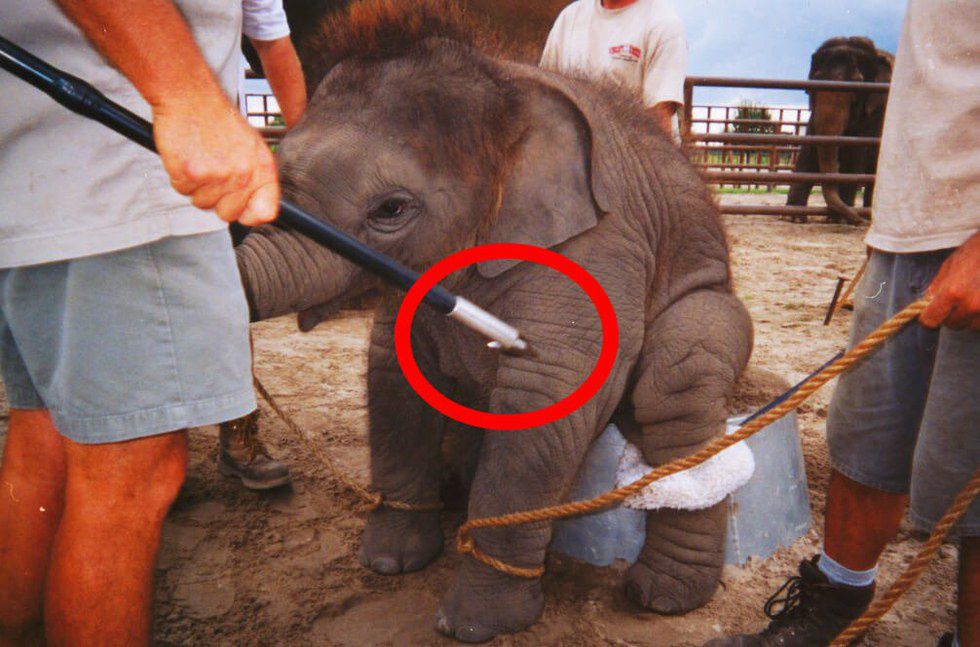
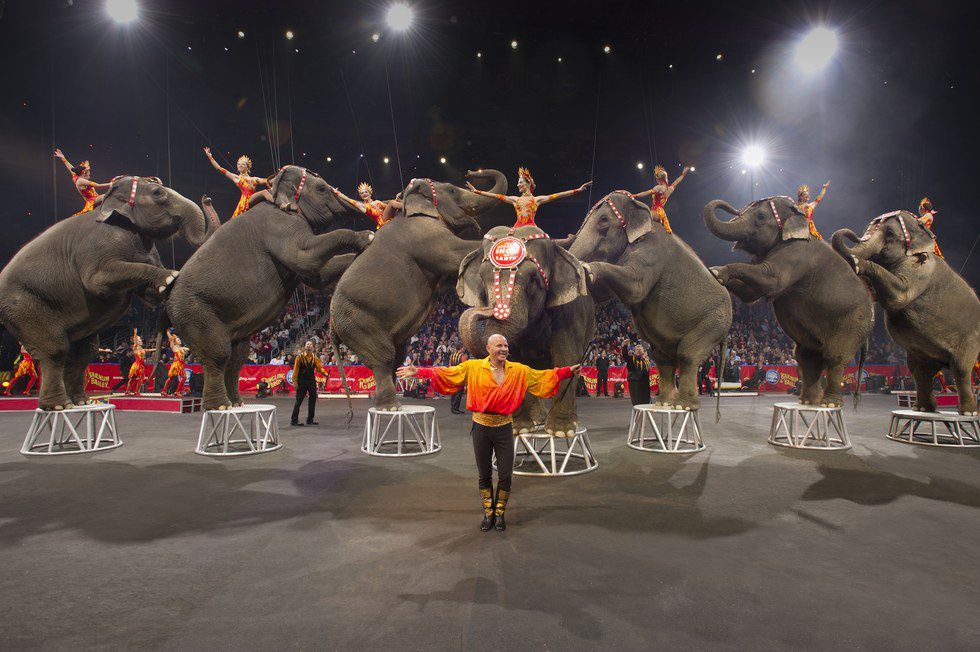
These enormous mammals perform in shows doing stunts such as standing on pedestals, standing on their heads, and standing on each other. But what you don’t see in the circus arena under the bright lights and their bedazzled head-dresses, is the abuse these animals endure on a daily basis. They spend a majority of their lives in trains and chains. However, one victory for the elephants is that after 145 years, Ringling Bros. Circus has ended their elephant performances. They performed for the last time on May 1st, 2016 and were then sent to the Ringling Bros. and Barnum and Bailey Center for Elephant Conservation in central Florida where they will stay for the rest of their lives with 29 other elephants.
The most paramount threat to elephants is that poachers are slaughtering them for their ivory tusks to be sold in the black market. Ivory sells for about $1,500 per pound and is used for products such as billiards balls, piano keys, carvings and jewelry. Poaching is so prevalent that it is causing their populations to drastically decline. Nowadays in Africa, the hunting of elephants has been intensified by poverty, political instability, and easy access to weaponry. Poachers kill the animals with arsenal such as AK-47's, poison tipped spears, spiked traps, and poisoned watering holes. The hunters then hack off their faces and tusks. Even more gruesome, they will occasionally, cut off their trunks and throw them near the dead body, the poachers signature. The main targets are elephants with the largest tusks including males and old females. As a result, elephant herds in the wild are often comprised of distraught orphans and broken families. Between 2010 and 2012, about 100,000 elephants were slaughtered. That's about one every 15 minutes.
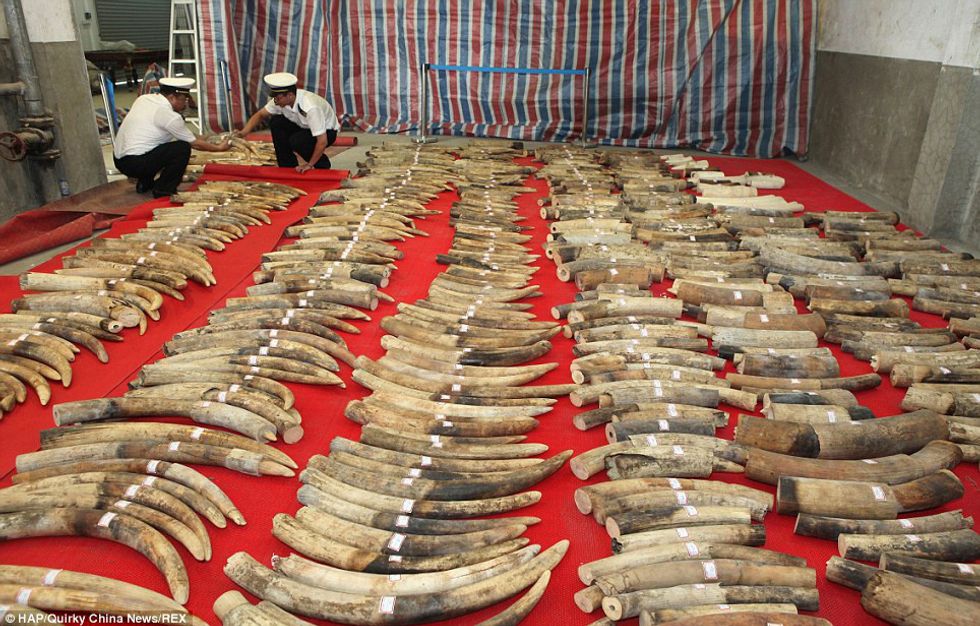

Although the Convention on International Trade in Endangered Species (CITES) banned the international trade of ivory in 1989, poaching elephants for their ivory has never been more prevalent. Because there are increasing efforts to prohibit the sale of ivory in the black market, the value of the illegal ivory is dramatically increasing, which ultimately results in the deaths of more elephants.
These spectacular mammals are being unfairly treated and slaughtered. They deserve to be cared for when needed and free from chains. Awareness needs to be raised so that one day elephant herds can roam freely and poaching is a thing of the past.