
While Greek organizations and spirit groups have a lot in common, one key difference is competition for housing, which most spirit groups stay out of. As a result, spirit groups focus more on service and less on parties, leading them to do more to serve the community and have better reputations.
Students in sororities and fraternities make up only 29 percent of the student body, according to university statistics. Aside from the Greek organizations, UT offers “spirit groups,” which are usually divided by gender. Some of the larger spirit groups at UT are Texas Spirits, Sweathearts, Wranglers, Wrangler Darlins’, Lonestars, Lassos, Cowboys, Wranglers, Silver Spurs, Iron Spikes and Tejas. Most of these organizations don't have a problem with their members also participating in Greek life.
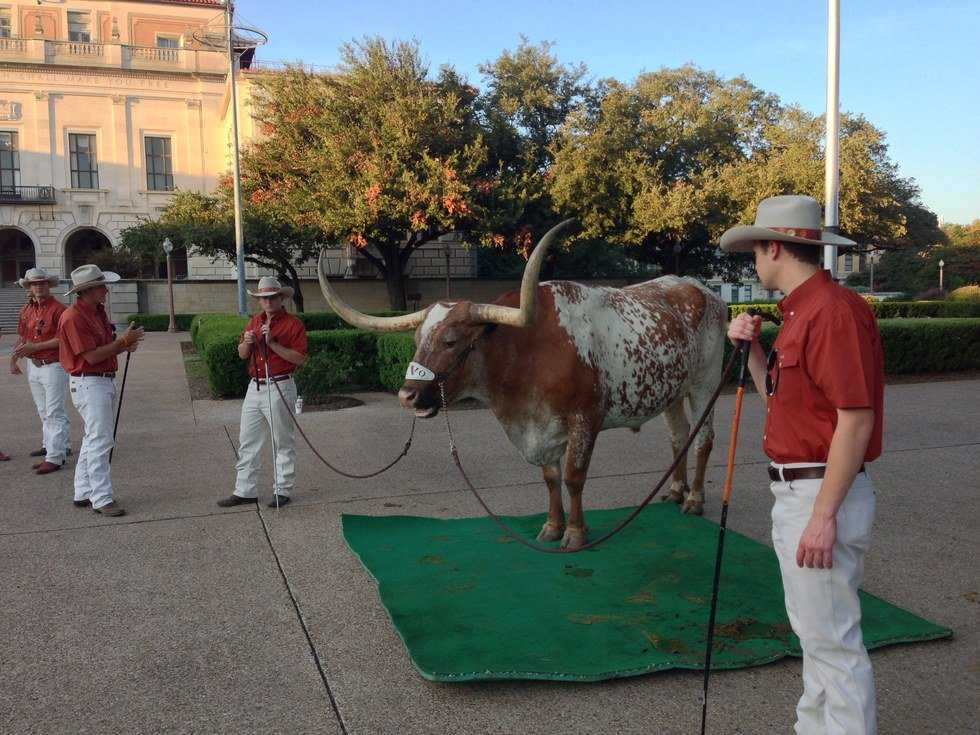
Like Greek organizations, spirit groups tend to have their own lengthy and unique application processes. The Silver Spurs, for example, a group responsible for the transportation of BEVO, is known for being very selective and exclusive. The organization's application involves interviews and the dues are known to be relatively expensive. The groups all originated at different times, but the Texas Spirits are the oldest female spirit group on campus, established in 1941, and the Silver Spurs are the oldest male spirit group, founded in 1937.
Each spirit group is involved in philanthropy service, similar to sororities and fraternities, but it seems that spirit groups are more active with their charities than Greek organizations and are more focused on giving back. The Greek organizations have a reputation for only caring about the parties they throw, which seems true to anyone who walks through West Campus on a Saturday night. Most UT students familiar with the Greek system probably know what the best parties from each fraternity are, but they probably do not know which philanthropy each house is affiliated with.
The majority of fraternities and sororities have houses located in West Campus and it acts as a dividing factor to the other UT organizations. Since spirit groups do not have houses, they do not have the distraction of constantly having to throw parties to compete with other organizations. Therefore, their focus lies mostly on serving their philanthropy.
Both Greek organizations and spirit groups, despite the differences they have, still collaborate and plan joined events for social aspects or to benefit a philanthropy.