

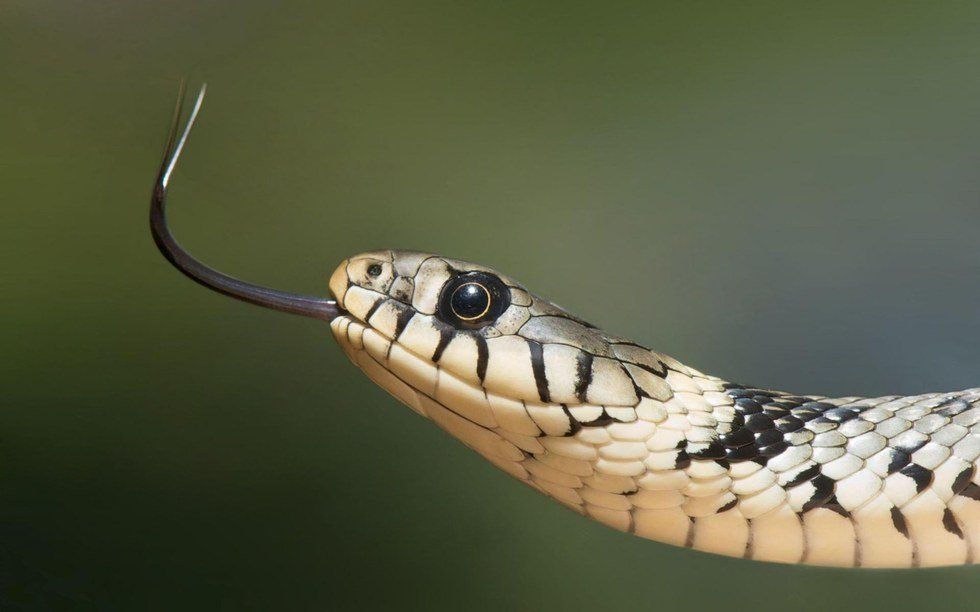
Last year I had the opportunity to volunteer at my local nature center and I was in charge of helping run the snake portion of the reptile show. I would walk around the center with either a California King Snake or Gopher Snake in hand and let people get up close and personal to these magnificent creatures. It came as a shock to me how many people were revolted at the sight of a snake and the complete panic that would take over. These people voiced how much they hated snakes and how terrifying they believe them to be and were in disbelief that I, a small-statured 20-year-old girl, was happily showing off such a creature. Most of the time these people have never even touched a snake before or interacted with them on a one-on-one basis, but the fear of snakes was so irrationally ingrained into them that they couldn’t get past it to appreciate the snake for what it is and the role it plays in nature.
What was interesting to me was that as the mothers and older siblings were struck deep with the fear of snakes, most of the time younger children below the age of three were fascinated, not terrified of them. There have been many psychological studies on this phenomenon and researchers have determined that the fear of snakes is socially learned, not instinctively present in humans.
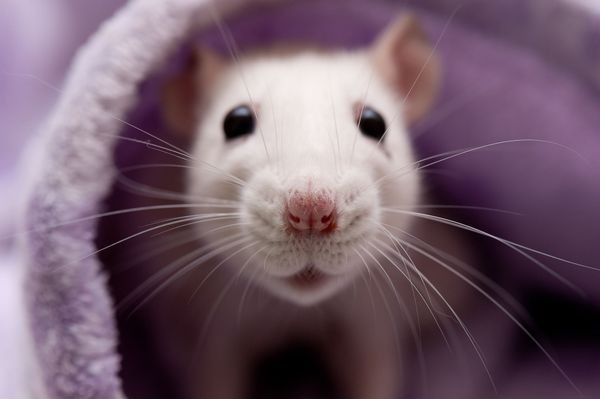
Snakes are an important part of the environment and should not be hated on simply because they are misunderstood. They are not “evil,” nor do they represent sin and deception like some religions make them out to be. Snakes do not attack humans out of spite nor will go after them like many people mistakenly believe. When snakes are disturbed, their first instinct is to flee, not attack; like most other animals, they will only attack when they feel threatened and cannot make an escape. Another misconception people have is that they are slimy and wet. This is the farthest thing from the truth: their scales are smooth and dry and often have texture. Not all snakes are potentially deadly to humans. There are over 3,000 species of snakes in the world, and only approximately 350 of those are venomous or potentially harmful to humans. Another incredible thing about them is that they play an important part in maintaining the population of “pest” animals like rats, mice, gophers, small rodents and even at times insects. Not to mention, I personally think snakes have the cutest faces in the world. How could you not want to understand and admire such a unique animal?
The best thing people can do is to educate themselves on the identification of local snakes and understand which species are venomous and which are not. Teach kids not to fear snakes, but to admire them and give them respect. If you come across a venomous snake in the wild, do not approach it and definitely do not attempt to kill it. By killing a snake, you are doing harm to the population and the ecosystem as a whole, not to mention putting yourself in danger of getting bitten. If you are at home and happen across a venomous snake, call your local animal control, nature center, or conservation agency to safely remove it from your yard and release it back into the wild. Be mindful about the language you use to describe snakes around other people; do not feed into the socially constructed fear of snakes and reptiles that develop through example.
Snakes are beautiful and should be appreciated for the many unique features and roles they have in nature. Do not fear them unnecessarily and irrationally: they are not out to hurt you and should not be punished for simply being what they are.

















