


"Meatless Monday." According to meatlessmonday.com, the phrase has been around since World War I. At the time, it was implemented to help provide more rations for soldiers overseas, it was seen as the citizens of the US doing their part to help the soldiers. All things considered, this concept was very valid. They were the ones sacrificing their lives for the ones back home so people could have a future with their current family or the ones they dreamed of someday having. And here we are today. Sacrifices were made, Our grandparents were born, our parents were born, and we were born. Does it have anything to do with Meatless Mondays? Maybe. People didn't conduct studies on the effect of them and our soldiers morale or performance. What does matter is that people did their part to help secure a future.
Fast forward to 2003. Sid Lerner, a health advocate, in association with Johns Hopkins Bloomberg School of Public Health’s Center for a Livable Future, reintroduced the term. Their idea was health related. This wasn't based off of any misinformation. Dr. T Colin Campbell's "China Study,", one of the largest studies conducted in history, found that those who consume meat and dairy live shorter lives than those who don't. If you don't believe me, give "Forks Over Knives," a watch on Netflix. Again, I'm just shedding light, I'm not trying to convince anyone to go vegan or anything like that.
However, the sole reason behind "Meatless Monday" was not solely to fixate on less consumption of meat in general. Their thought was that Monday is the beginning of the week, much like January 1st is the beginning of the year. We've all heard of resolutions, and their successes and failures. Mainly their failures. But...they believed that if people started to think about their health every Monday, there was a higher chance of being successful on their health endeavors because they would have 52 times to think about their health and make some positive, smaller changes in their life versus making steep claims such as "I'm going to lose 25 pounds this year," or "I'm going to run every single day."
Let's now take these three things into consideration:
1. We should all do our best to create a more secure future.

By creating a more secure future, I mean having a beautiful world for future generations to live in. There are many different things one can do to reduce their impact on the environment. We can recycle, be less wasteful with water whether that be shorter showers or turning the sink off while we brush our teeth, walk or bike instead or drive, and shut off electronics when we are done with them. However, I have another suggestion that doesn't come to too many people's minds when it comes to environmental conservation, consider vegan options or a Meatless Monday. There are several non-vegan options that are made vegan-style at the Co Op and Woodmans, such as yogurt, ice cream, cream cheese, nut milks, mayonnaise, hemp protein, textured vegetable protein, or one of my personal favorite treats: coconut cool whip. Yes, many of these options, if not all, are going to be more expensive than their non-vegan counterpart; however, think of the positive effect on the environment instead of your pocketbook. The following statements are taken from cowspiracy.com ("Cowspiracy" is a documentary on Netflix that stresses the environmental impact of animal products).
"Livestock and their byproducts account for at least 32,000 million tons of carbon dioxide (CO2) per year, or 51% of all worldwide greenhouse gas emissions."
"Livestock is responsible for 65% of all human-related emissions of nitrous oxide – a greenhouse gas with 296 times the global warming potential of carbon dioxide, and which stays in the atmosphere for 150 years."
"Agriculture is responsible for 80-90% of US water consumption."
"2,500 gallons of water are needed to produce 1 pound of beef."
"1,000 gallons of water are required to produce 1 gallon of milk."
"Animal agriculture is the leading cause of species extinction, ocean dead zones, water pollution, and habitat destruction."
Usually, one follows up a quote with an explanation, but I believe these speak for themselves.
2. Eating less meat might be beneficial for your health.
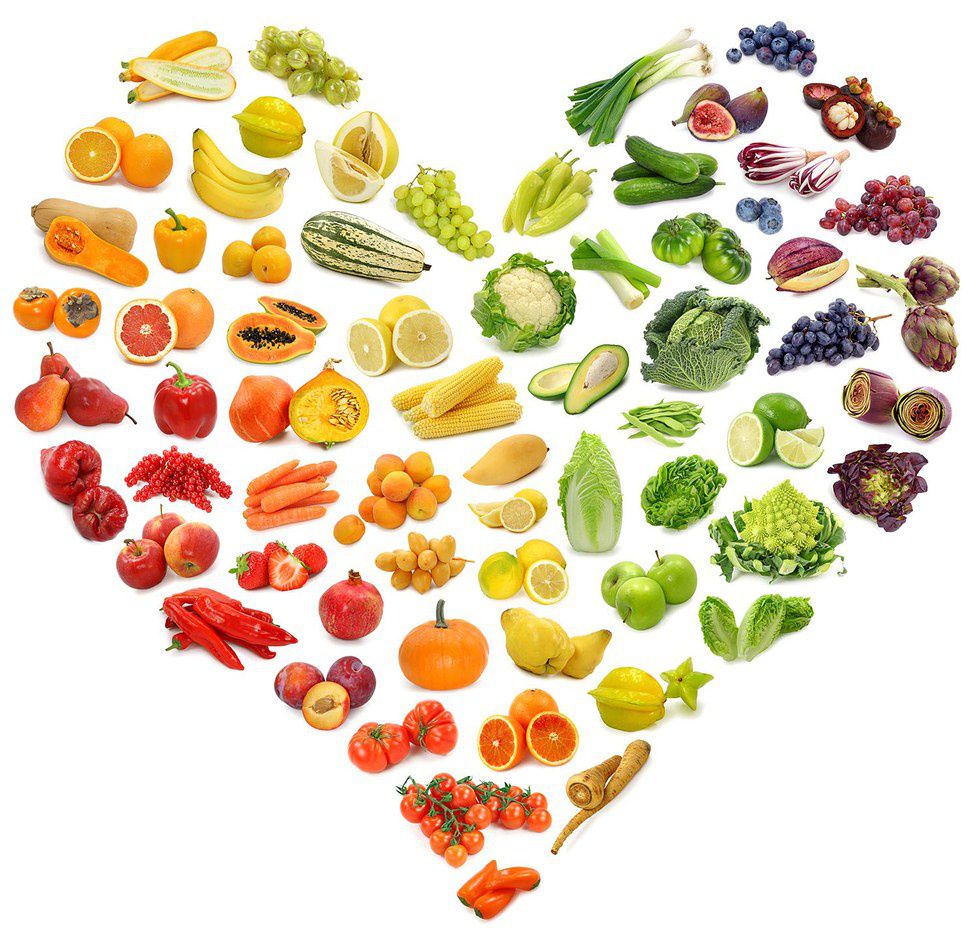
All things considered, I don't recall my parents every trying to compare the health benefits of eating my fruits and vegetables to eating my hamburger. I'm not saying that meat isn't healthy for you, it very well might be. Grass-fed is seen to be more healthy due to the altered fat content of the meat. I'm just wary of all of the hormones and such in meat, I also don't believe that saturated animal fats are a good thing, which is why I stated "the less legs, the better," in a previous article. Chicken breast is virtually fat-free and fish has beneficial omega-3s in it. I'm also skeptical of all of the hormones they use on farms and such, but again, that's just me. There have been many studies linking the consumption of plant proteins instead of animal proteins to the reduction in chances of developing many types of cancer. Dr. Campbell's "China Study" is way too much for me to attempt to sum up in a paragraph or less, so I'm just going to suggest that anyone interested in the claims I've made about the consumption of meat and dairy and their effects on the development give it a read, or take the really easy way out and watch "Forks Over Knives." A few studies have also found that vegans have higher testosterone levels but I would like some more studies to reassure these findings.
3. With the exception of a few outstanding people in the world who live the healthiest lives possible, we can all make a goal every week to help improve our health.
Simply stated, we can all do something more to improve our health in some aspect. I'm not even necessarily talking about nutrition-related things when I say this. I talked about the importance of our mental and spiritual health in my previous article and how it can play a large role in our health. A few goals could be spending more time with your friends instead of on social media or meditating during your lunch break or at the end of the day to help calm your nerves and appreciate how good your life really is. Physical activity can be easily improved through small goals as well. It's really easy to be active, you just have to be creative and good with your time. Simple goals could include doing five burpees every time you have a commercial break while you're watching TV, stretching at night before bed, or signing up for an intramural. Staying healthy and active is easy if you have the right motication and mindset.