As any environmentalist knows, the current state of our planet after centuries of human produced damage is taking it's toll. As a result, many are responding through cutting down on energy consumption, water usage and by living a more minimalist lifestyle. One huge part of the minimalist lifestyle is reducing or eliminating meat and dairy from your lifestyle. Thus, the rise in Vegetarian and Vegan eaters in recent years. While a decrease in animal consumption is knock your socks off fantastic, vegans and vegetarians only account for five percent of the United States population. The focus being on the U.S. because we are one the largest consumers of animal products and producers of carbon. This information is scary to say the least, because we view ourselves as leaders in innovation and example. Though the worst part of our pollution problem is that it affects minorities, such as blacks, more than anyone else. A prime example of this environmental racism came into play most recently in Flint, Michigan. While the damage of a developed world will most likely always surpass the issues that are a result of an undeveloped world, that is no reason to turn our backs on innovation and refuse to take steps toward healthier, more sustainable lifestyles, such as those of vegans and vegetarians.
1. It reduces the effects of Climate Change
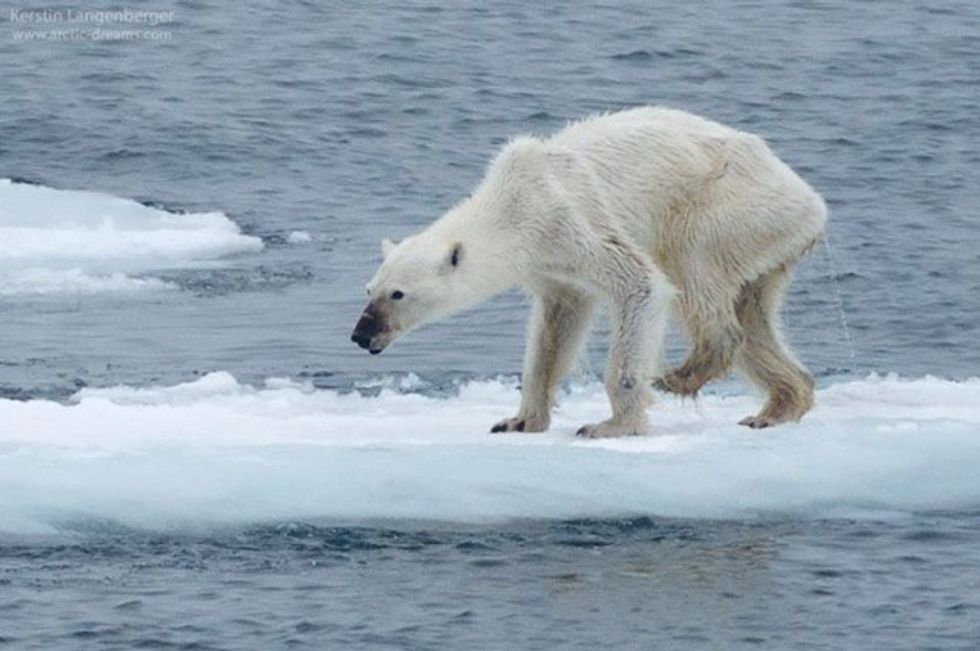
In the United Nation's 2006 report, it was released that raising animals for food produces more greenhouse gases than all the cars and trucks in the world, combined. By limiting your meat intake, or better, going vegan, you could make a drastic difference in the greenhouse gas emissions, and your health.
2. It reduces the use of antibiotics, growth hormones and chemicals
There are a variety of drugs used to fatten animals for slaughter, the most dangerous being inorganic arsenic. When humans consume animal flesh, they are allowing the arsenic a direct entrance into their bodies. The USDA has found that consuming two ounces of chicken a day exposes a person to three to five micro-grams of inorganic arsenic. Daily consumption of small doses can cause cancer, dementia, neurological problems and other ailments in humans.
There is also the problematic usage of hormones by farmers which are known to cause several types of cancer and reproductive dysfunction in humans. While U.S. farmers will tell you this is safe, the U.N. has banned this practice since 1995.
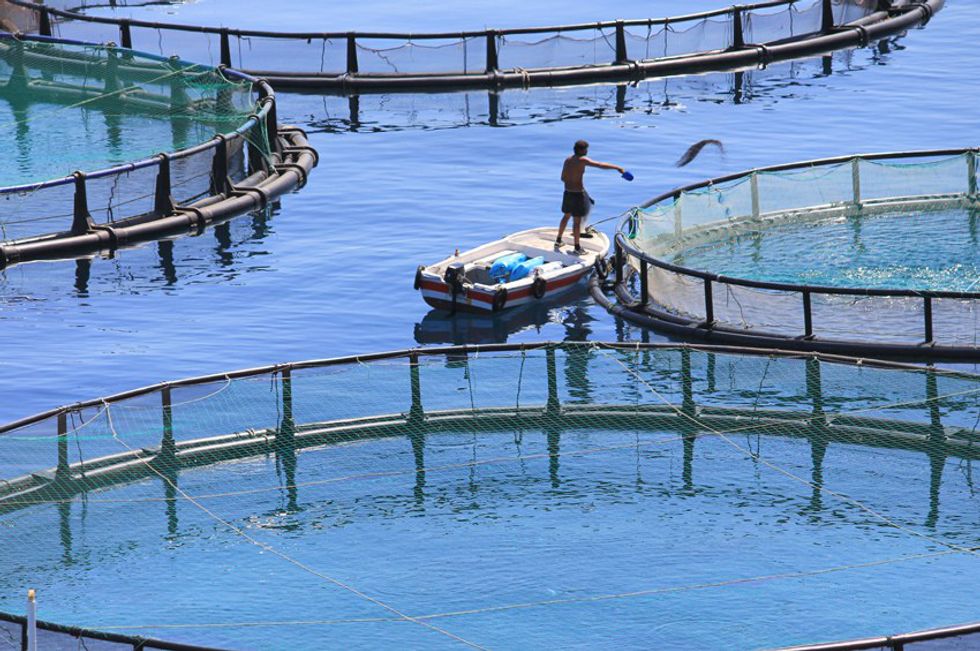
Though cattle are not the only issue among farmed animals. Fish farming is drastically contributing to the pollution of our waterways. Some aquaculture operators use strong antibiotic drugs to keep the fish alive, though many still die prematurely at a rate of 30 percent. The drugs in the surviving fish are then consumed by humans, causing an issue in antibiotic resistance among human diseases. The other issue is that the drugged fish then leave highly concentrated feces deposits which then get into our water supply. Scottish salmon alone have breached pollution limits by more than 400 times in the past three years.
3. It saves large amounts of water
On average, a vegan uses 300 gallons of water per day, a vegetarian 1,200 gallons, and a meat eater 4,000 gallons.
Think about that next time you consume animal products, as on estimate, the production of a kilo of beef requires between 13,000 liters and 100,000 liters of water, where as a kilo of wheat uses 1,000 to 2,000 liters of water. A drastic difference, especially when 783 million people do not have access to clean water.
4. It makes for a more sustainable earth
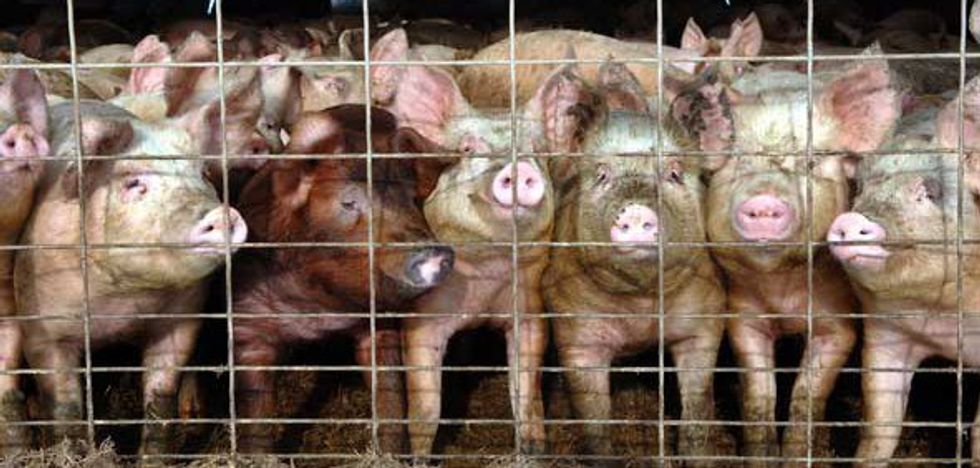
The vegan lifestyle is not only beneficial to the person whose body thanks them, but the earth, who has no say in the chemicals going into it.
In 2005 there were around 6.5 billion people living on earth, this is expected to hit 9 billion by 2050. There are already food and water shortages throughout the world, so now imagine the issues caused by the food need being 2.5 billion greater.
Food production utilizes 30 percent of of the total soil available, 20 percent of fossil fuel energy and a major piece of our freshwater supply. Not only is raising cattle one of the most damaging aspects of agriculture, but it requires at least three times the resources as a vegetarian diet. The food needed to feed a vegan for a year uses 1/6 of an acre, but to feed a vegetarian the same amount would take three times as much land, and to feed the same person the standard american diet, would take 18 times as much land.
Meat is on the rise and is now the largest source of protein in all affluent nations. By 2050 the demand for animal flesh will double, leading to more intensive factory farming and an increase in aquaculture. As a result, this will increase pollution, water demand and land usage. Adding to the further destruction of the earth and it's resources.
5. It reduces CO2
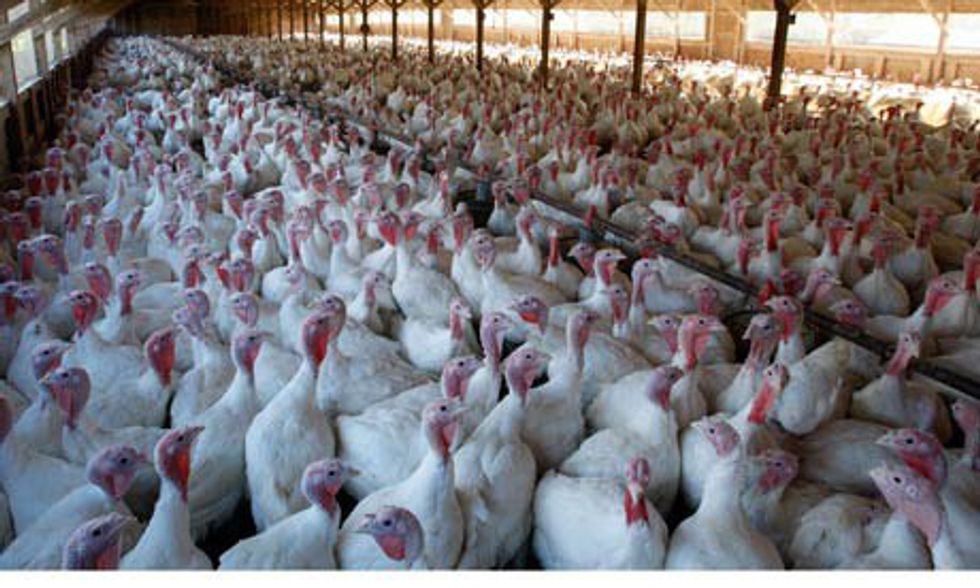
According to the 2006 UN report, livestock accounts for nine percent of the CO2 emissions derived from human-related activity. A huge issue in connection with rain-forest deforestation and increasing greenhouse emissions.
6. It reduces methane and nitrous oxide production
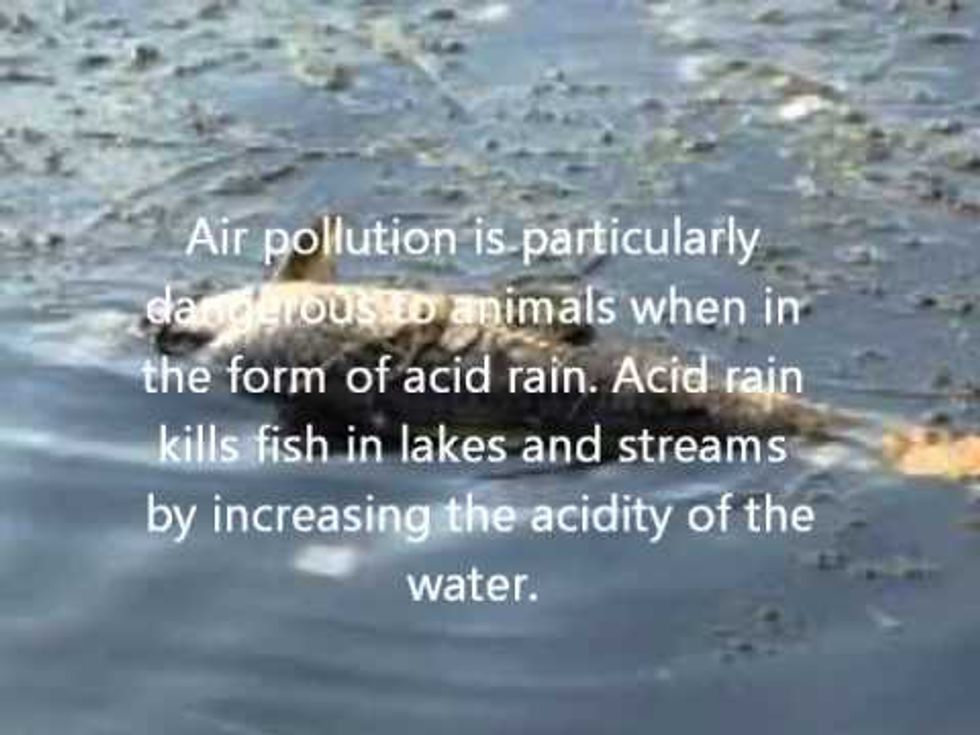
Cows and sheep are responsible for 37 percent of the total methane generated by human activity. This is huge because methane is 23 times as warming as CO2, so reduction needs to be a priority. Not to mention the 64 percent of ammonia generated by livestock that is contributing to acid rain, and the 65 percent of nitrous oxide which has 300 times the warming potential of CO2 and comes mainly from manure. By limiting meat intake to twice a week, you could make a massive difference in green house gas emissions, and the timeline of our planet.
7. It reduces wildlife habitat and endangered species destruction
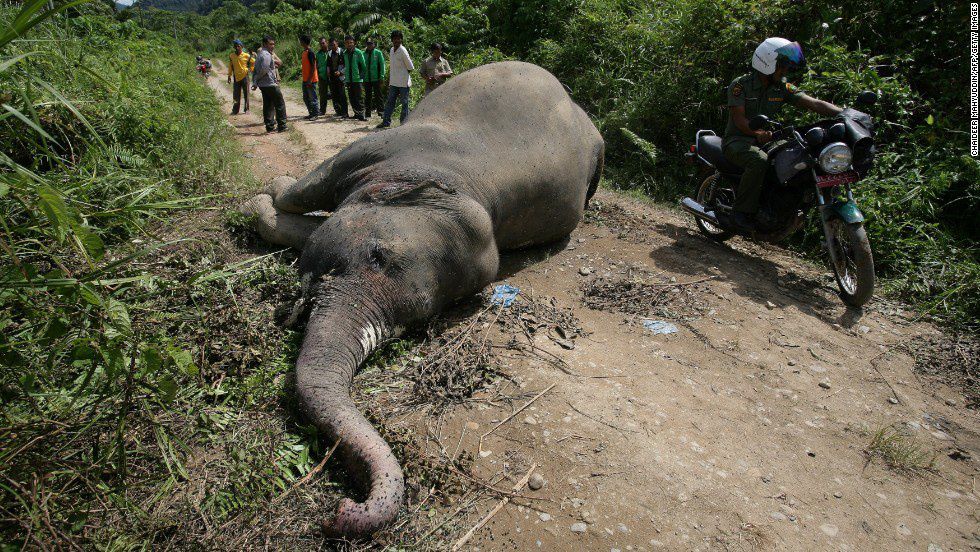
The livestock industry is responsible for widespread deforestation of natural habitats. This widespread damage to animals natural homes displaces millions of animals each year, causing permanent damage.
8. It reduces the destruction of rain-forests
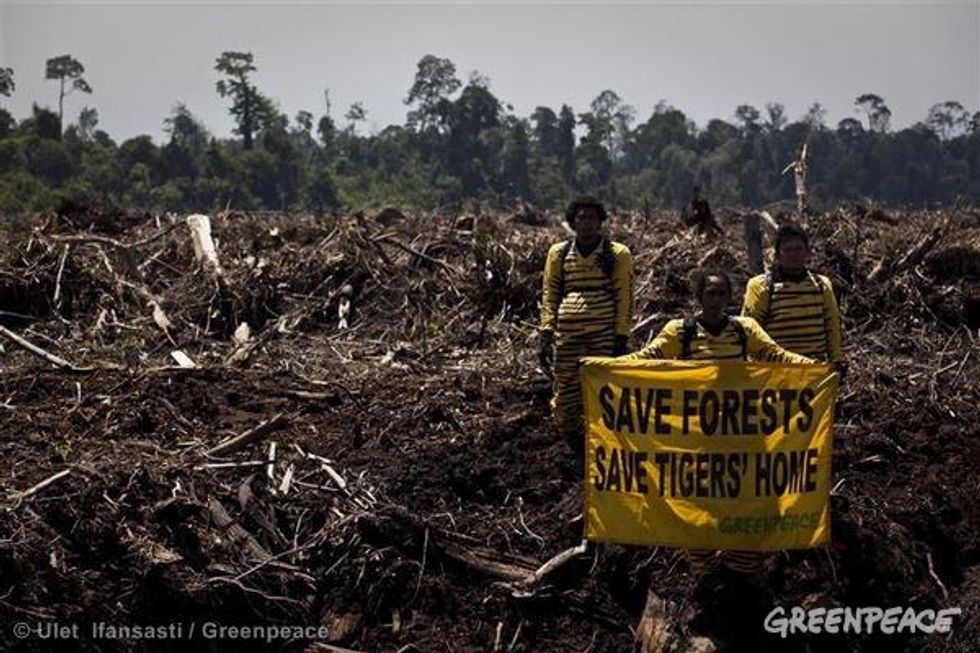
70 percent of agricultural land is used for rearing farm animals. Much of this grazing land once held valuable natural habitats such as rain-forests. When rain-forests are destroyed to make room for animal agriculture, all the animals in the forest are displaced, leaving everyone from tigers to monkeys homeless. This then causes issues in near by villages as the animals tend to roam searching for food and a home, and instead find villages and people. This is what happened in the Amazon, as 70 percent of Amazonian deforestation is because of animal agriculture. Deforestation of rain-forests also results in more greenhouse gas emission, as the trees that store carbon release it as they are chopped down. This can then lead to large amounts of acid rain and other environmental issues in the area.
9. It reduces your ecological footprint
Living the vegan lifestyle drastically cuts down on the amount of land, water, and oil resources you consume and the pollution that results. Though, if that's not enough reason, it also saves about 100 animals, per person, from slaughter each year. You can calculate your own footprint here, and start protecting the earth today.
10. It avoids further pollution of our streams, rivers and oceans
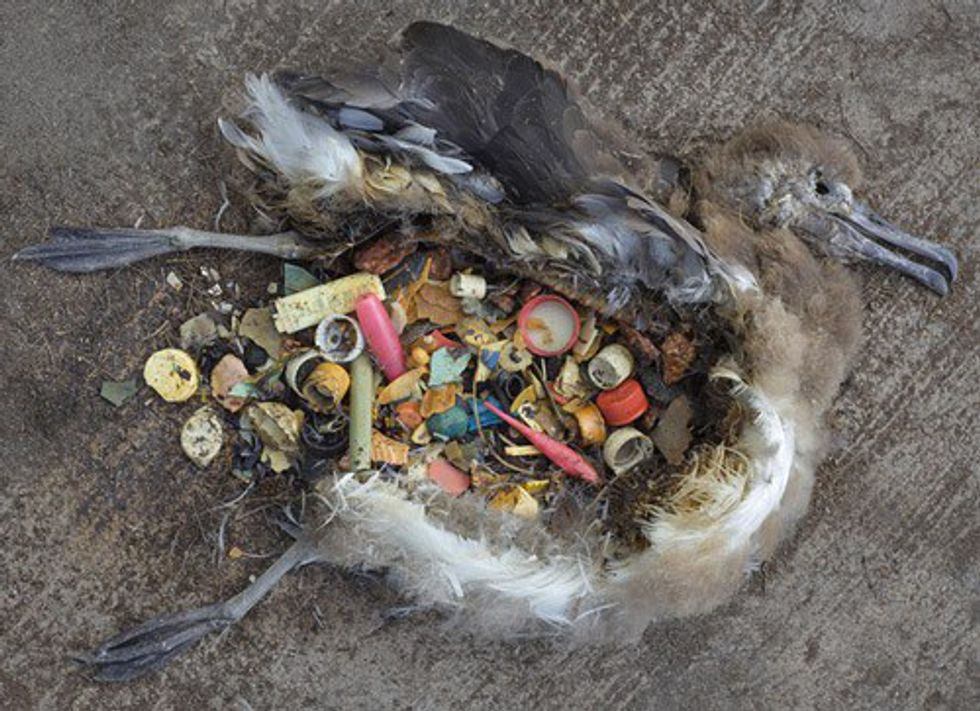
Farmed animals produce 130 times more excrement than the entirety of the United States. It's because factories do not have waste sewage systems in the same way that towns and cities do, that the excrement then ends up polluting water, destroying topsoil and contaminating the air.
Animal waste in large amounts produces huge issues. In the 1990s, more than two billion tons of animal waste was produced worldwide. Assuming the nitrogen content is about five percent, this makes 100 million tons of nitrogen making its way into our water system. It is because of these issues of mass waste that our planet is suffering so drastically, and it's our job to fix the issue before it's too late.
Marco Springmann of the Oxford Martin Program on the Future of Food says it best, "We do not expect everybody to become vegan, but if they did, they'd live longer and help reduce the changes that are skewing the climate."