
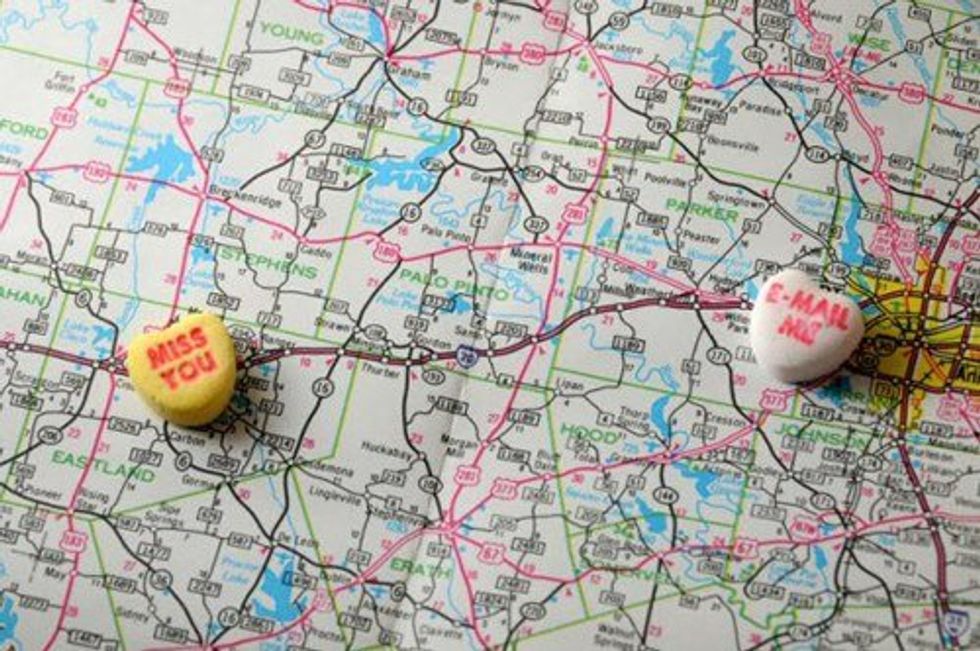
If I have learned anything in the small course of my 18 years on Earth, it is that friendships do not last forever. No, this is not an exposé on all the lies kindergarten sold us (though that is a discussion we’ll have later), but merely a fact of life. Often times, the breaking of a friendship comes from unstoppable forces like school districts and even having different class schedules. Typically, the less time you spend with a friend, the less likely you are to pursue that friendship and mold it into a more intimate and lasting relationship. These are things we can’t fix; people change, and making new friends and having old ones are just a part of being social human beings. But what is a more interesting phenomenon than the livelihood of friendships are the trends surrounding long distance friendships. It has come to my attention that not only are these types of relationships flourishing just as well as the “normal” ones, but potentially even better.
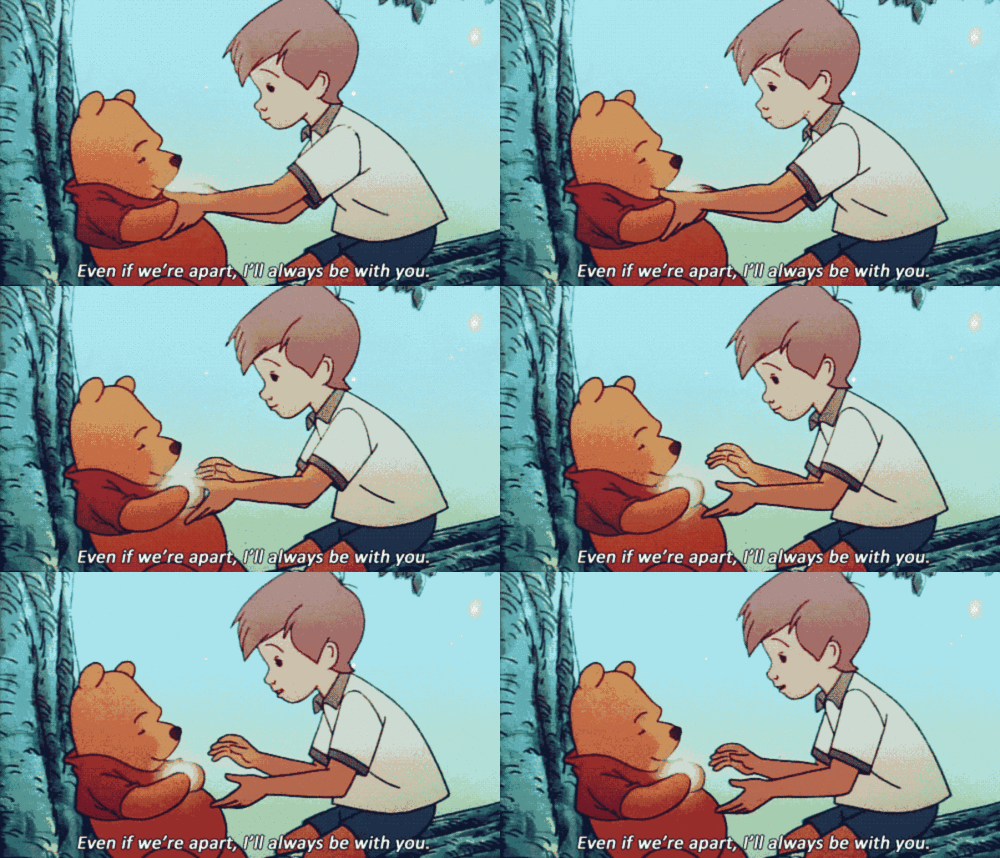
Jessica Thern Smith, a graduate student from The University of Tennessee in Knoxville, wrote an entire dissertation on the dynamics of such friendships. Through her studies and interviews of multiple women of differing age groups, she found that while society may depict Long Distance Friendships (LDFs) as limited and not viable, the reality is that face-to-face contact is not necessarily needed to survive the times. But why is that?
Firstly, we need to take a moment and be super thankful for all of the technology our generation and those before us have supplied. Without innovations such as texting, FaceTime or social media platforms, these relationships wouldn’t have a chance. Since technologies of these are so easily accessed and frequently used, channels that can surpass miles of distance between friends are created. Another study, conducted by Steven-Paul Lapid of Eastern Michigan University, showed that 65 percent of his Facebook-using participants saw the website as having a positive effect on their friendship. This, he says, was attributed to the convenience of it all. Because Facebook allows us to see pictures and updates on our friends’ lives, it is 10 (this is not a statistic) times easier to keep up, or stay in the “loop." One of his participants had this to say:
“Facebook definitely shines a light into the room… [Facebook] invites people into each other’s lives and shines a light on things we would miss by solely living in our world alone.”
So obviously the advances of our time have a lot to do with the viability of Long Distance Friendships; however, these data points still leave me a bit unsatisfied on why friendships of this model are actually working. Normal friends talk and follow each other on social media. What makes them any different from long distance?
Beyond all of the numbers and statistics and mind-numbing scrolling through Instagram, I think there is something more (an X-factor, if you will) in these special relationships. Since these friends are far away from each other, there is a level of effort that is required to keep it alive. To maintain the relationship, you have to pursue one another, which is something not necessarily happening with other friendships. And although this may seem tiring, the reality is that it actually makes it easier. Knowing that my long distance best friend, Sam, takes the time and attention to text me about something as small as a Tumblr post that reminded her of us makes everything worthwhile. The friendship proves itself worth the work time and time again, which leaves no room for doubt.
To all of the friends “splitting up” and going to different colleges, have hope. Your friendship is probably more likely to make it through and defy the odds. Through communication and love, you can truly be best friends forever.