
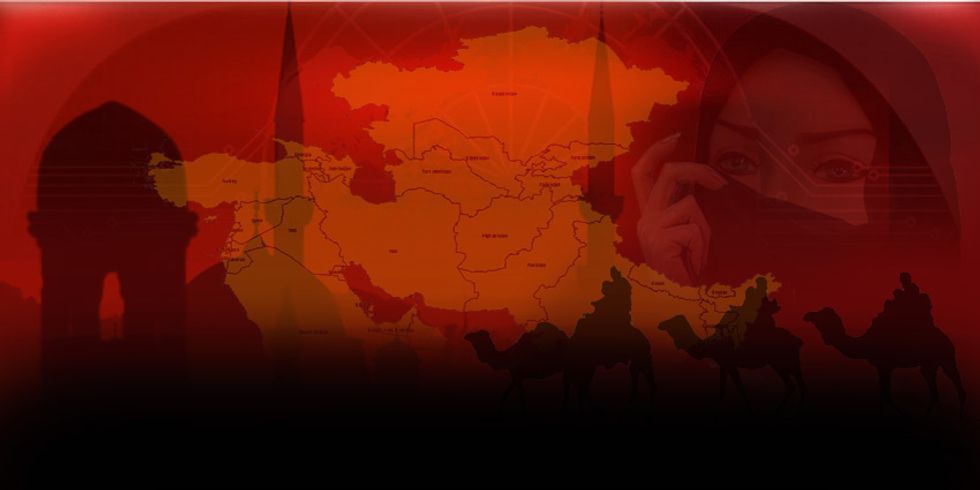
The term “Middle East” was coined in 1901 by American geo-strategist and imperialist Alfred Thayer Mahan who strongly supported the naval capacities of the United States of America, and, in his article The Persian Gulf and International Relations, Mahan stated his wish for its enterprises to expand in the world. His ideas in The Influence of Sea Power Upon History lead to a global naval arms race. In the late 1910’s the government of Britain separated Ottoman regions, while Russia had been planning on setting an imperative in India. The British government did not want “Muslim states” to turn against them via Russian rule--thus Britain eventually promised Jewish-Israelites a homeland in Palestine, creating “Middle Eastern” allies (as Britain had a significant zionist population).
Egypt is North African, Turkey is half European-half Asian, and the rest of the "Middle Eastern" countries are Asian countries in the South West and central South. Thus, the loose term “Middle East” is used to simplify intercontinental lands in order to militarily categorize diverse regions of the world. Many would argue that this term has re-expanded to include Pakistan simply because Pakistan has a slight Islamist influence which the West somehow has to “dismantle” (i.e. the term “Middle Eastern” became popularized in reference to Pakistan after Osama bin Laden’s death there). Middle Eastern countries are often categorized as having combinations of oil money, rapid stages of revolution, violence, extremism, and/or Arab and Islamic influences. For some, it is difficult to name the continents that the nations of the “Middle East” include, and many are unaware of the influence that American colonialism has had on this term. But most importantly, “Middle Eastern” countries have been stigmatized in the West, thus it is important to note the cultural beauty of such nations.
Well, what is there to LOVE about “Middle Eastern” countries? Here are 10 examples:
1. Turkey

Turkey is a secular state that incorporates the diversity of religion into its monuments, such as Hagia Sophia--both a Christian and Muslim basilica. Being dual-continental, there is a mixture of European and Asian influence. Turkey is a land of mystical theories--such as the idea of fairies creating the caves of Cappadocia’s desert chimneys. Turkey is also home to beautiful tourist destinations such as Istanbul and Ankara. Turkish youth are known to be progressive and participatory in government affairs, with women's rights and environmental issues being investigated in the region’s policies.
2. Pakistan and Afghanistan
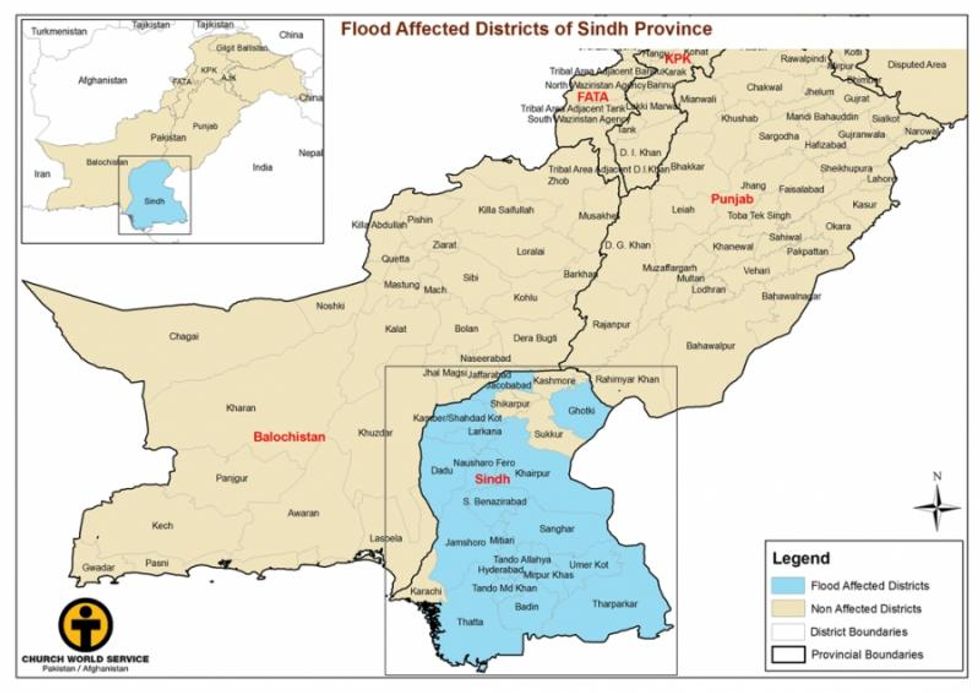
Pakistanis speak several languages.
While the national language is Urdu, only 8 percent speak it in casual conversations. Several Pakistanis are also fluent in English--the second national language. Forty-eight percent speak Punjabi, 12 percent speak Sindhi, 10 percent speak Siraiki, and the rest speak a mix between Pashto, Balochi, Hindko, Brahui, and Burushaski. Cross-languages such as Pashto and Dari are spoken in Afghanistan.
3. Egypt

Ancient Egyptian women had more rights than other women in any ancient civilization. Women could own property, perform business deals, and initiate divorces while having honorable professions--such as being doctors and priestesses.
4. The Levant (Syria, Lebanon, Palestine, Jordan, Cyprus)
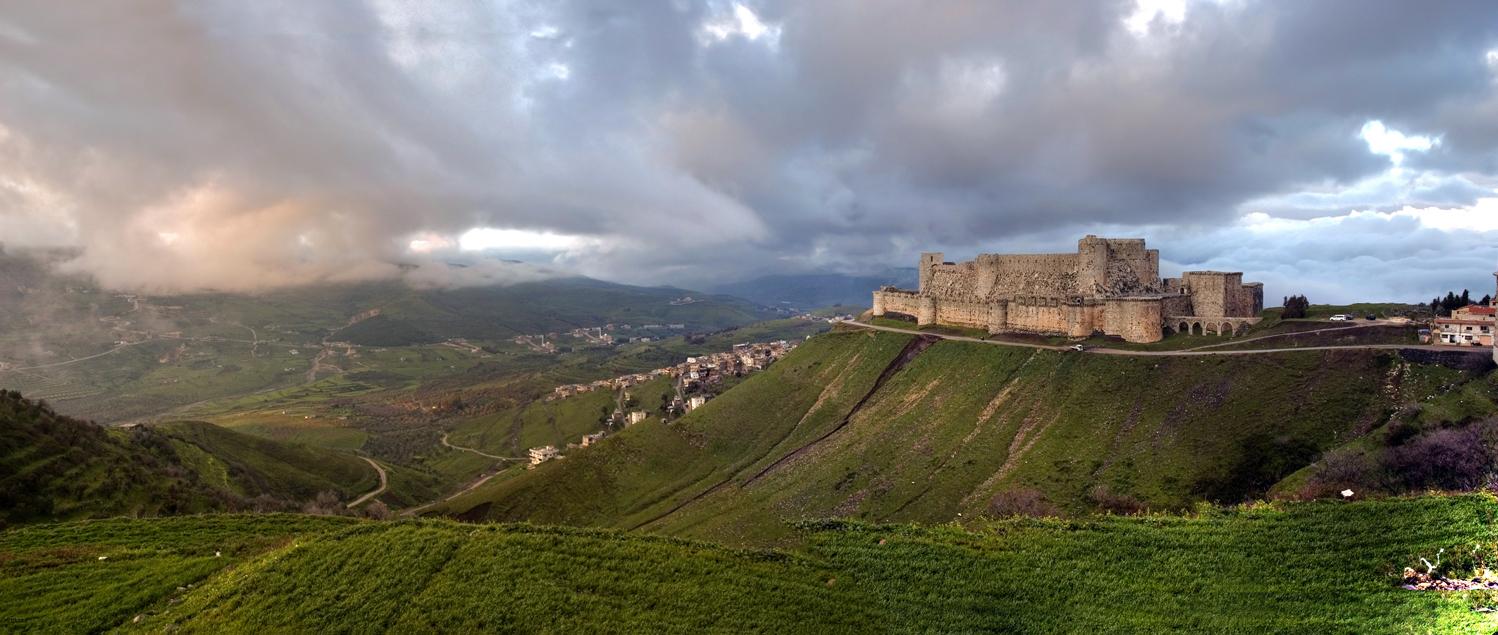
Syria (Al Shams/ “The Sun Region”) is home to one of the oldest civilizations in the world. It is known for medieval madrasas, underground churches, the birth of the Phoenician languages, and flavorful cuisines such as Fatayer pastries and Tahini pastes. Lebanon itself has a parliament that incorporates the Druze, Muslim, Jewish, and Christian religions. There are furtive lands, mountainous regions, and enchanting deserts. Unfortunately the Syrian war and the birth of ISIS has destroyed many of the cultural and diverse religious monuments of the Levant.
5. Iran and Iraq
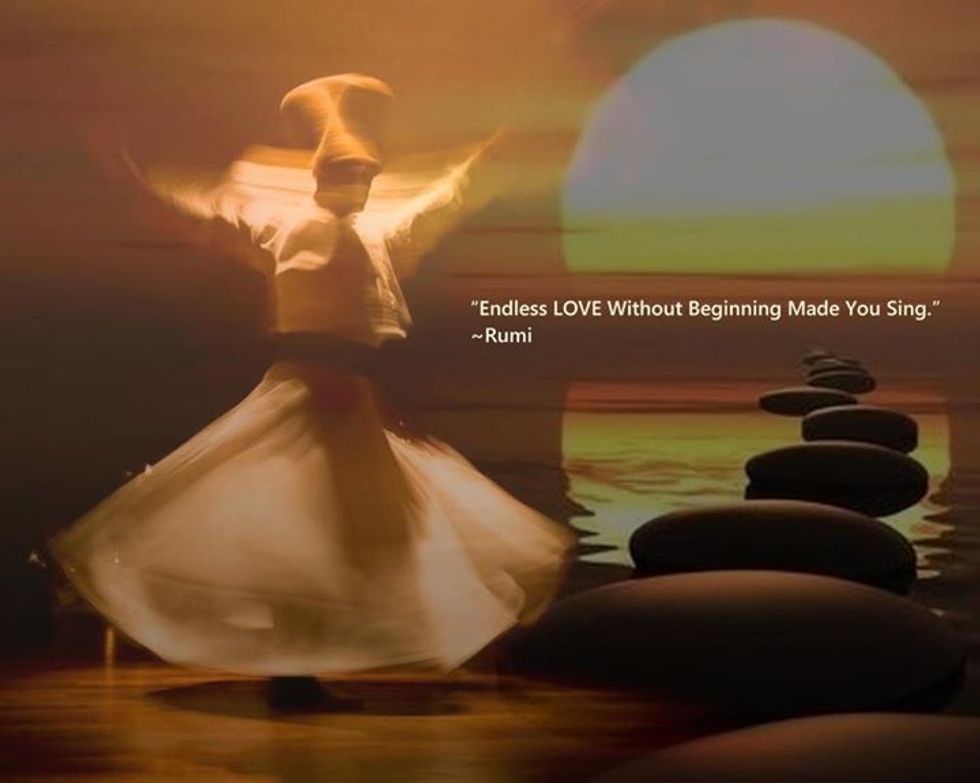
Iraq has unique artistic influences such as the hacha’a belly-dance and maqam music, which is melodic, slow, and poignant. Iran, similarly, has a history of noteworthy poets -- such as Shams Tabrizi who was the instructor of the poet Rumi. Iran is home to Sufi monks who practice the dervish -- a mystical trance performed in order to connect to God.
6. Yemen
.jpg)
Although this nation is going through troubles of anarchy, it is much more than its present political troubles. Did you know that Yemen is where “Turkish coffee” actually originated? Its wedding traditions and rituals are long and widely valued. It is also home to several biblical tales, such as that of Noah and Sheba, and is referred to as the “Land of Milk and Honey.”
7. Kuwait and Bahrain (The Constitutional Monarchies)
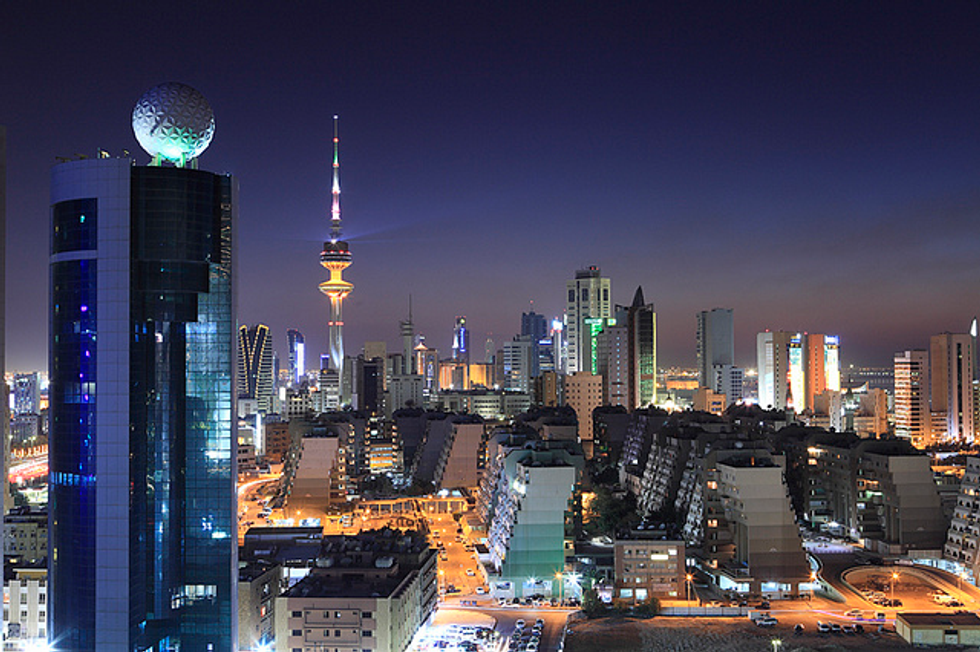
Kuwait is known for having the highest-valued currency in the world, with one of the highest per capita incomes. It has introduced quality sports such as camel racing, and has even attained the Guinness World Record for largest fireworks display (competing with neighboring UAE). Bahrainis, part of the Gulf state, are actually known to be very generous and hospitable to many immigrants, thus Farsi and Urdu are widely spoken. Overall, these nations are cultural melting pots.
8. Oman (The Sultanate)

Oman has a fantastic reputation for trade relations. There are several merchants aligned in its sea districts selling incense, sandalwood, crafts and foods. It has beautiful beaches, mountain regions and villages, and is generally a comforting tourist location with a strong Portuguese influence.
9. Saudi Arabia
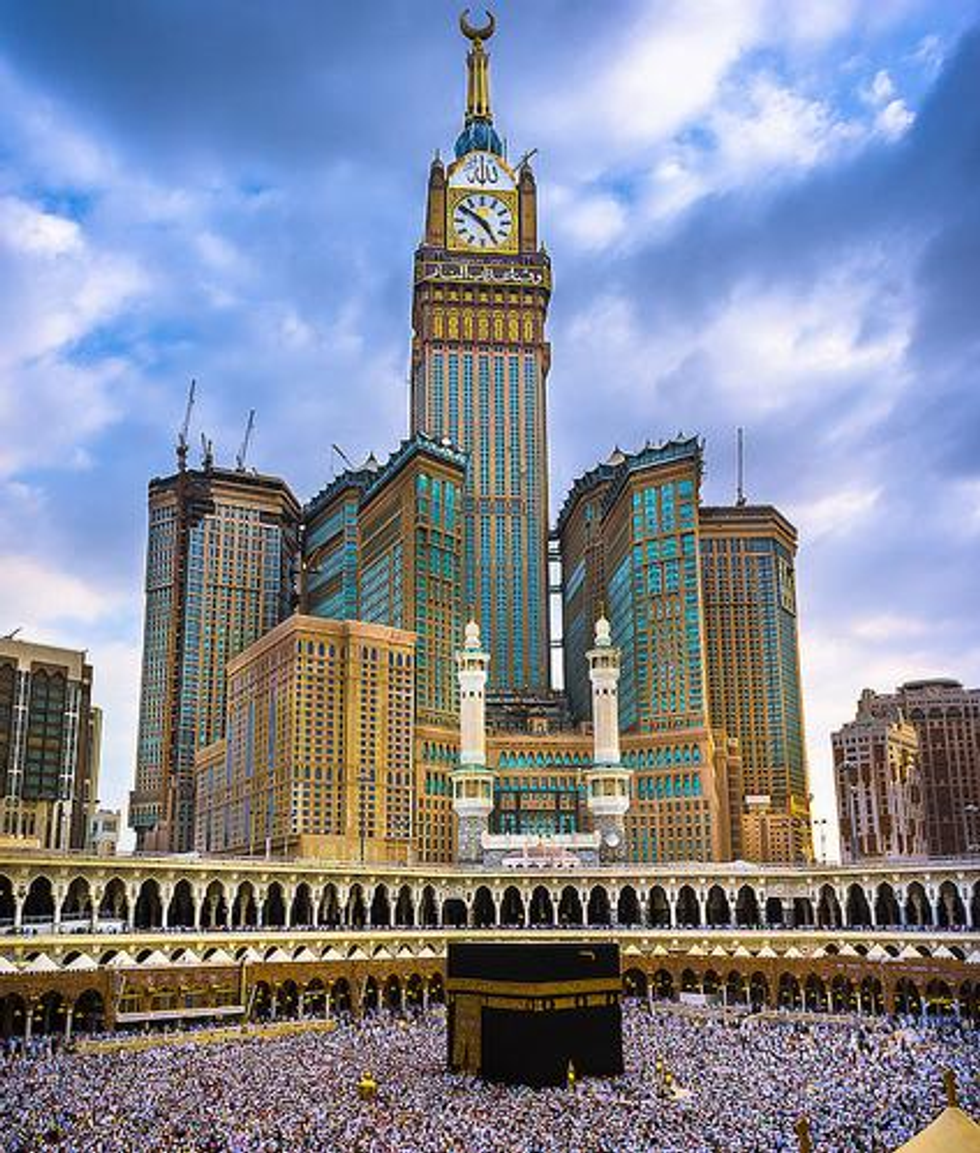
Although Saudi Arabia is seen as a conservative Islamic nation and home of the Mecca, there are several ways for the youth to enjoy themselves. Saudi Arabia considers education and health care of great importance. Both are free to the public and education makes up a huge amount of the nation’s funds.
10. Qatar and UAE (Absolute and Hereditary Monarchies)
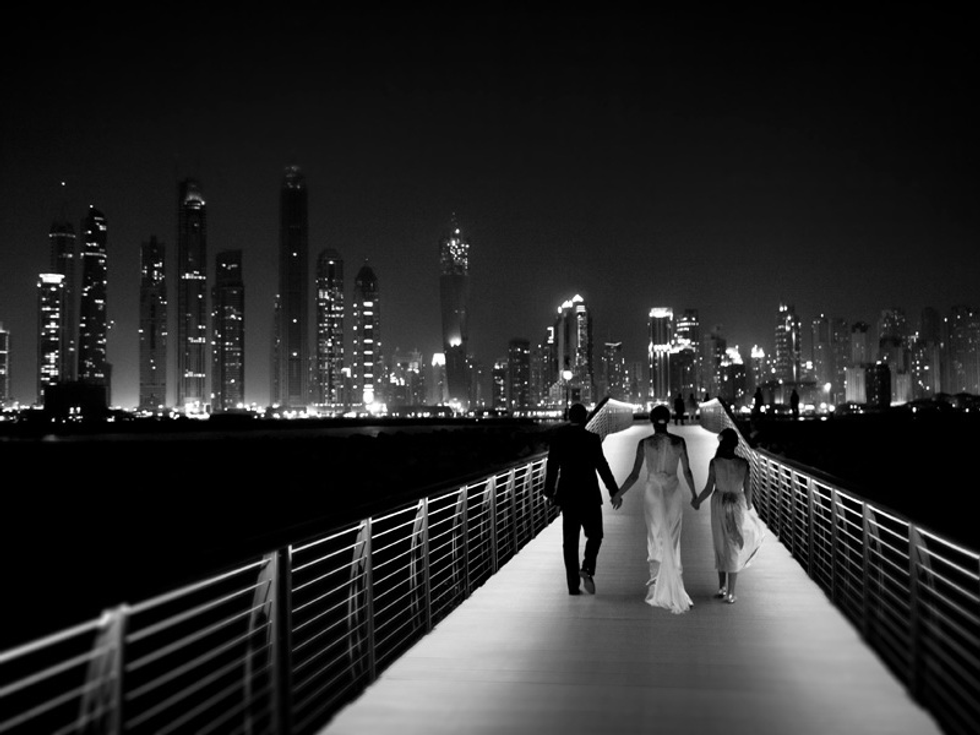
Qatar and the UAE are epitomes of luxurious living. Many people in the East settle in these nations, seeking good jobs and access to beautiful sights. While Qatar has luxury island developments, and the UAE has widened its architecture to set global standards (i.e. The Burj Khalifa), they have been magnificent jewels of the Arab World.
Although there are many problems in the “Middle East,” such as wars, legal traditions, women’s rights, environmental rights and employee treatment, we must recognize that the “Middle East” is much more than what Western media shows the world; even the West has a host of issues it needs to solve. The "Middle East" is diverse in languages, economies, governments, religions, traditions and issues. It is important to look forward to the progress of these states and their diversity. It is also important to look at the historical constructs of such states, and the negative connotation behind the simplified term "The Middle East," rather than perpetuating the idea that "The Middle East" is only a troubled region.

















