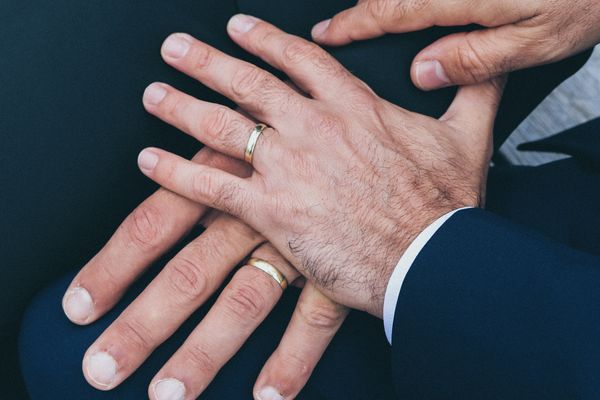
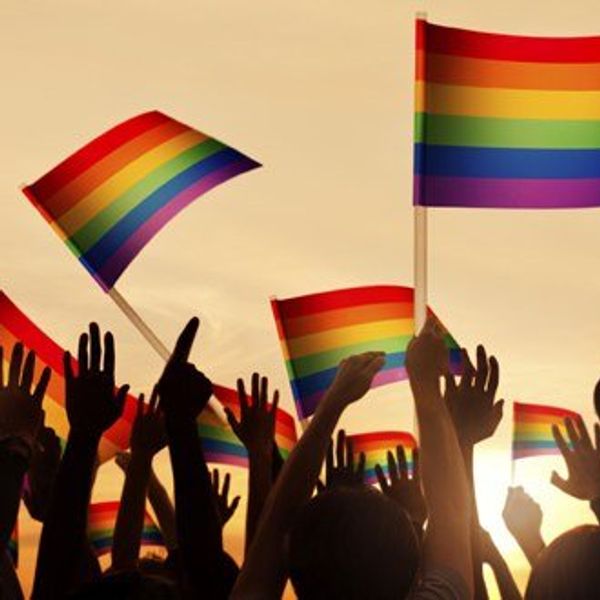
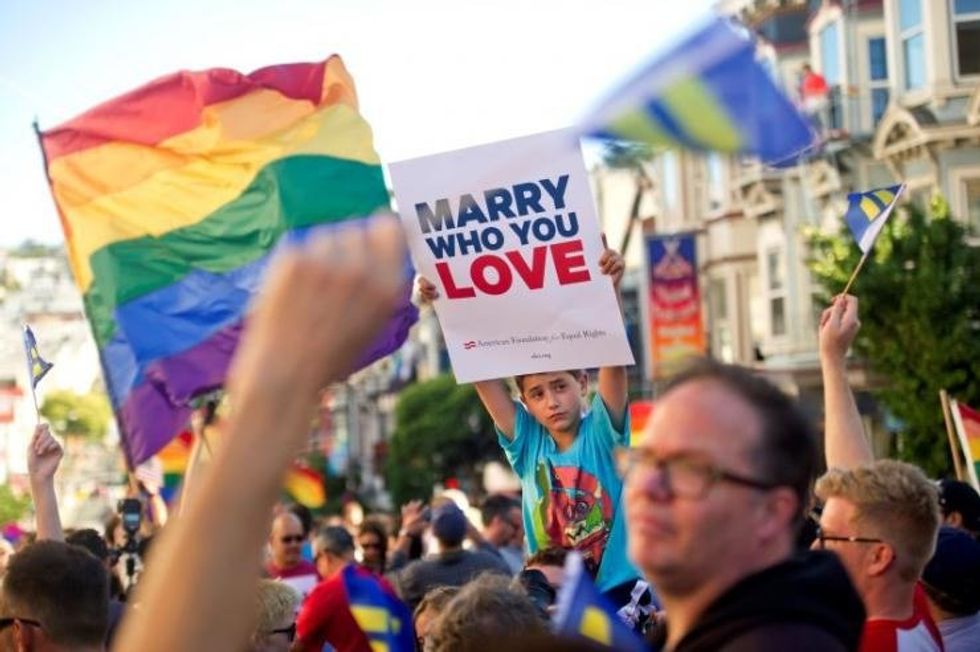
On June 26 of 2015, the Supreme Court ruled that prohibiting union between two individuals of the same sex was unconstitutional. This monumental declaration therefore allowed same-sex marriages in every state across the country through federal law. I remember this day vividly. While I was on my lunch break at work, I checked my phone as usual and saw dozens of social media notifications, texts from my friends and family, and missed calls. The legalization of gay and lesbian marriages had everyone excited, but especially my parents who are lesbians themselves. I listened to several teary voicemails and heartfelt text messages describing how free they felt after so many years of thinking they would never be able to marry the person they loved. I too felt a sense of relief knowing that I could someday legally marry another woman if I chose; however, it was not my most prominent emotion. Despite the great news, I could not help but feel a sense of dread creep over me and linger for the remainder of the day. I celebrated the legalization of gay marriages like everyone else, but was more worried than ever before. Here’s why:
Heterosexual people can’t understand the thought processes and day to day lives of a queer person because they aren’t one. As much as you research, listen to personal experiences of others, or attempt to sympathize with someone else who is afflicted by oppression or disability, it’s impossible to know exactly how they exist on a daily basis. It’s more than just who you are, it’s a part of your livelihood. Gay marriage was at the forefront of the millennial queer revolution. It got the most media attention and the most support from heterosexual allies for two reasons. One, many heterosexual allies knew of a close family member or friend who was homosexual and wanted them to have “equal rights” and two, marriage itself is a heteronormative concept. Marriage is something everyone grows up knowing about. It’s well understood that most often when two people love each other, social normalities dictate that you "marry" that person or participate in an equivalent religious practice. The legalization of gay marriage was more centered around the validation of queer love than it was about the political concept of marriage. The infamous phrase “Love Is Love” has always made me cringe for that reason. I was much more concerned about the political and social rights of marriages than I was about the ceremony and validity that accompanies it. I had no reason for heterosexual people to validate my love for someone else of the same sex by telling me it was okay to participate in their heteronormative practice.
Now that gay marriage has been legalized, queer rights activism has been much less prominent in the news and American culture and that’s what worries me the most. The most recent queer rights issue has been surrounding the trans communities and their ability to use a public bathroom according to their sex. Personally, I’m much more concerned about those same people just trying to use the restroom being assaulted, publicly harassed, or killed for existing as who they are. I’m not even going to get into the statistics of suicide, sexual assault, homelessness, and homicide in queer people versus heterosexuals, especially for those who don’t pass as straight. They’re sickening. The entire concept of modern day queer activism centers a lot around the cultural approval of heterosexuals, which we as queer people don’t need. The expectation of safety has little to do with acceptance. Apart from that, now that gay marriage is legalized, no one seems to think twice about the real matters at hand. I would much rather live the rest of my life knowing that every queer person can live their lives and express themselves safely and without fear than have a piece of paper state my love is valid in the United States.