
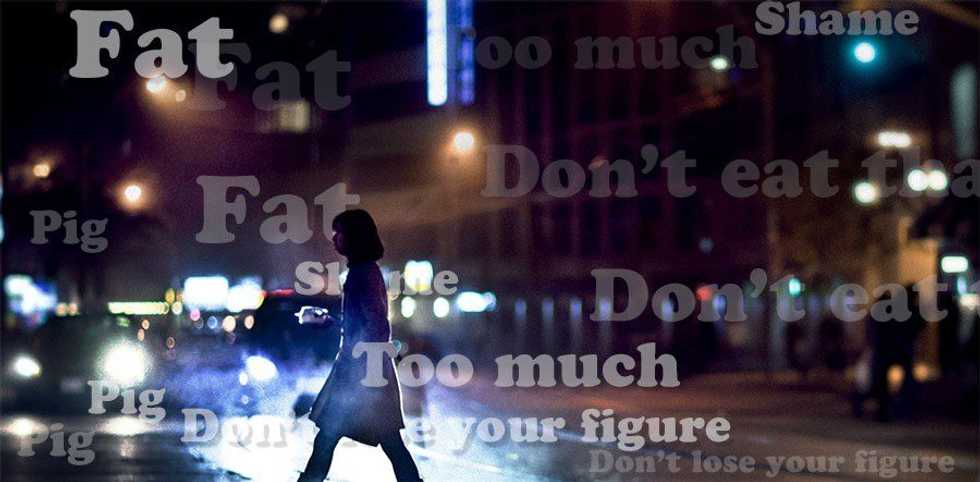
Over the past decade, a push toward healthy eating has consumed our nation (pun intended). But with the craze comes only one socially acceptable response: that is, to join the movement of organic, low-fat, no sugar, gluten-free meals. The problem is that this narrow-minded obsession with what others are eating ignores the prominent concern of economic feasibility.
When I was sixteen, I nagged my mom that we should eat healthier. My AP Psychology professor had spent the last week explaining why he only shopped at Whole Foods, and I felt it my moral duty to lead my family on the path of healthy eating. Fortunately the phase passed, but I didn’t understand why my mom hesitated to buy strawberries until I went grocery shopping in college. Having healthy snacks on hand was suddenly less important when I could buy two family-sized bags of chips cheaper than a box of raspberries or bag of dried fruit.
A 2013 study found that healthy food costs around $1.50 more per day, or about $550 per year. The study itself reviewed 27 other studies in 10 countries, and found that healthier meats and proteins cost an average of $0.29 more per serving. The United Kingdom is experiencing a similar food poverty. A 2014 Cambridge study found that 1,000 calories made up of healthy items, such as lean salmon, yogurts, and tomatoes, cost an average of £7.49 in 2012. The same calorie intake from unhealthy items, such as pizza, beef burgers, and doughnuts, could be bought for an average of £2.50.
“The cost of healthy options is one of the many reasons why we have food poverty in the UK. This is not just about individual choice. Blaming individuals for not knowing how to cook well on a low budget so they don’t fill up on cheap junk food won’t help.”
—Dr. John Middleton, from the Faculty of Public Health
Food shaming reveals an ignorance of others’ situations, and also tries to enforce a personal morality. Discourage friends or family from eating unhealthy foods if you’re genuinely concerned for their health. But don’t scold strangers in the cafeteria or the heavy man in McDonald’s who orders two Big Macs and a diet Coke. Recognize that you don’t have the authority to dictate people’s diets and that your condemnation won’t inspire others to tread your path. In fact, food shaming often promotes an unhealthy focus on appearance, and can contribute to eating disorders.
Our society has good reason to promote healthy eating. The increase in global obesity and food-related public health issues such as heart disease, diabetes, and cancer, are convincing arguments for a change in diet. The problem is that food shaming villainizes individuals, rather than the country-wide priority of unhealthy food over healthier alternatives.