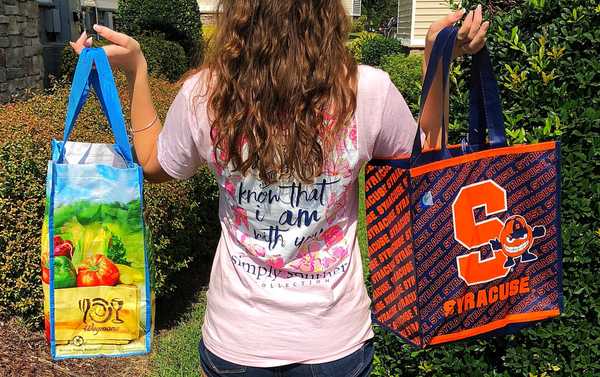


If college has taught me anything, it’s how to eat healthy on a budget. Yes, you may be able to buy 10 packages of ramen with $1, but often times the cheapest food is the worst for you. If your goal is to eat healthy on a budget, it’s important to understand that when it comes to stretching your dollar, some foods are better than others. Lucky for you, I’ve composed a list of 10 nutritious things that you can buy at the store when money is tight.
With this "bare basics" grocery list, you can make up to 20 different meal combinations for breakfast, lunch and dinner! The secret ingredient to success? Your creativity!
Your “poor college kid” grocery list is as follows:
1. Brown rice, one pound (~$2).
2. Potatoes (~33¢ perpotato). Regular red or sweet potatoes will do!
3. Big tub of low fat Greek yogurt (~$3). Greek yogurt too bitter for you? Add honey or frozen fruit to sweeten things up!
4. Frozen veggies and/or frozen fruit (~$3 per pound)
5. Canned beans (~$1). Try to buy the beans that have no sodium or salt added!
6. Green vegetables (less than ~$1 per pound, prices will vary). Ah, the possibilities are endless! Choose leafy greens for yummy salads, celery, cucumbers or even carrots… it’s up to you!
7. Peanut butter (~$2). Who doesn’t love peanut butter? It’s an excellent source of protein, it fills you up and it’s delicious (duh). My favorite snack is PB spread on celery sticks with raisins... ants on a log, anyone?
8. Protein bars (~$2 per bar). Be careful here: protein bars can be very pricey! Make sure you’re choosing bars that are high in protein and low in sugar. Quest bars are my favorite… when I’m running out the door, I throw one in my backpack and eat it as a snack in between meals!
9. Quick oats (~$1). Oatmeal in the morning is a tasty and healthy option! Full of protein and carbs, it’s a breakfast option that will keep you feeling fuller for longer! Add chopped banana, apples, raisins, nuts and/or cinnamon to keep things interesting.
10. One dozen eggs (~$2) There are a thousand different ways to make eggs! Try an omelet for breakfast or top your salad with hard boiled eggs for lunch.
Here are some tips for you to keep in mind before you slay the grocery store with this new-found knowledge:
Tip #1: DO NOT GO TO THE GROCERY STORE HUNGRY.
I repeat, do NOT go food shopping on an empty stomach! Here’s why: it will be much harder to say “no” to the thousands of other food options in the store if all you can think about is how hungry you are. You are more likely to splurge on junk food and other foods NOT on your list if you let your empty stomach do the shopping for you!
Tip #2: Go DRY.
Not only do dry grains like rice, beans, polenta and quinoa have a super long shelf life, but they also yield a lot of servings! PLUS, healthy grains like brown rice can be used in a multitude of ways when you are inventing new recipes.

Tip #3: Go FROZEN.
Frozen fruits, veggies, chicken and fish are all good for you. Best part about buying certain foods frozen? You don’t run the risk of having them go bad! Throwing away spoiled food is a total waste of your money. So buy frozen, your budget thanks you.

Tip #4: Buy in BULK.
Yes, a larger container may cost you more up front, but the cost per ounce will be lower. So make sure you compare the prices of single servings to the larger containers!

Tip #5: Buy GENERIC.
Most times, you’re paying more for well-known brand food than the generic grocery store kind. Before reaching for the Skippy peanut butter, look for the generic brand and compare the cost… chances are, the generic PB will be a fraction of the price! And because you’re only buying the basics, you don’t need to worry about the brand being better than the generic… I promise that they taste the same.
Happy shopping!