For the past few decades we have known that inhaling tobacco smoke is directly linked to lung cancer. In fact, smoking is the leading cause of preventable death in the U.S; it is responsible for some 428,000 deaths every year. It's clearly a huge health hazard as well as an expensive habit. A pack of cigarettes in highly taxed areas like New York City can cost upwards of $10. It's easy to see how quickly that can add up, especially for a person with a pack a day habit.
Why is it, then, that people still smoke? Is the obvious detriment to one's health an even trade off for a nicotine high? Maybe not on paper, but everything people do has to have some motivation. So to understand smokers' reasoning we have to look at two things: why people start smoking in the first place, and why they cant stop.
Many studies indicate that the vast majority of smokers started as teens. The 2012 Surgeon General Report found that 99 percent started smoking before the age of 26, and that 9 out of 10 smokers started before they even hit 18. There are many contributing factors to teenage tobacco use, most prevalent of which, is peer pressure. Despite numerous efforts on behalf of government health organizations, teens are still oddly attracted to cigarettes. That speaks to how big the impact of peer pressure really is. Few things influence young people more than other young people.
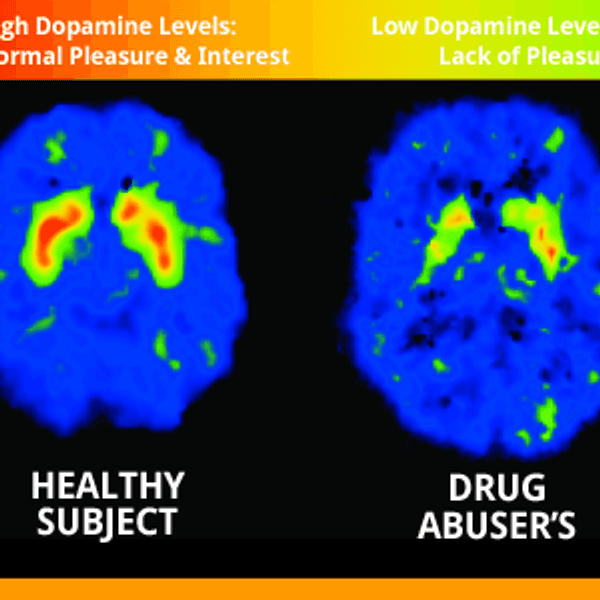
So most smokers make the mistake of starting young, but with time and maturity, shouldn't adults know to quit as early as they can? The problem is that it's not nearly that simple. Nicotine is a highly addictive substance and users can become dependent on it. Withdrawal symptoms include irritability and depression, which means quitting cold turkey is an undoubtedly uncomfortable experience. There's a good chance that many smokers are thrown off by the immediate consequences of quitting.
The act of smoking cigarettes usually becomes a big part of people's lives. Many people smoke when they drink and drink when they smoke. Such behavior leads to a dependence on two substances instead of just one. A person who's impaired by alcohol is much more likely to make poor decisions, such as smoking more than they normally would.
For many smokers, cigarettes are a social activity. Any bar or party includes a huddled group of people bonding over a few cigarettes. Smokers, especially in recent times as society seems to be slowly phasing them out, share a certain bond with each other. Walking outside of a crowded bar and asking the person next to you for a light is an instant conversation starter. It's much easier to make a new friend when there's already common ground.
It seems that smokers have a few understandable reasons to defend their habit. First, they started young, which only makes it easier to instill a life long inclination to smoke. Second, cigarettes are an important part of socializing. The most important reason, however, is the fact that quitting is a tedious, and even agonizing process. The most dangerous aspect of cigarette smoking is nicotine addiction; even if you know the risks, sometimes the cigarettes are the ones who won't let you go.