
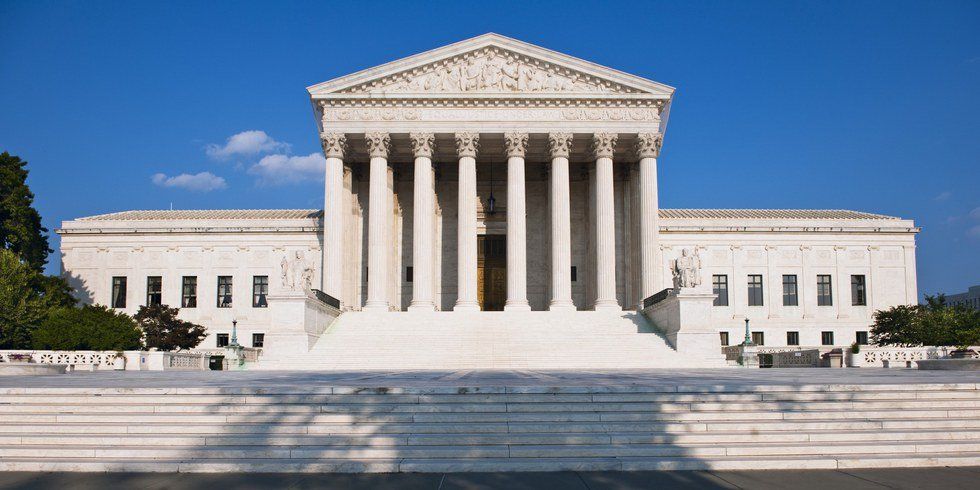
After a problematic start to his presidency, Donald Trump experienced his first monumental win when he nominated Judge Neil Gorsuch to serve on the Supreme Court.
His nomination could not have come at a more opportune time. Demonstrations erupted following the controversial signing of an Executive Order halting travel from seven predominantly Muslim countries. In addition to these protests in airports and cities all over the country, it also led to chaos within the Department of Justice that escalated to the firing of acting attorney general Sally Yates.
This opposition to Donald Trump’s policies indicates just how frustrated the Democratic party and liberals are feeling in the early days of his presidency. I, myself, am among those discouraged by what’s going on in Washington. Democrats are pointing to this as one more example of Trump’s demonization of minority groups. And for those of us who fall on the left side of the aisle, this is unacceptable.
While Democrats must stand united in defeating social injustice, we must also not use two wrongs in an attempt to make a right. Republicans spent the last eight years obstructing the proposals of President Obama and congressional Democrats, including the refusal to even consider Merrick Garland for the Supreme Court.
GOP opposition to Garland’s nomination is still a source of bitterness for many. And right now, Democrats in Washington are asking themselves a very difficult question. Should they obstruct and not even allow a vote on Trump’s nomination to take place, just as the GOP did to Obama’s? Or should they focus their energy on the countless other fights going on between themselves, the GOP, and the new White House administration?
The obstruction of Obama’s nomination of Merrick Garland was an injustice. And yet, as Michelle Obama reminded us, when they go low, we must go high. The GOP went low for the past eight years. And now, Democrats have an opportunity to take the high road by supporting the nomination of Neil Gorsuch.
I understand many Democrats are opposed to this move. While our Supreme Court justices have the potential to make a lifetime impact on the court, Gorsuch would essentially be replacing Justice Antonin Scalia. A reigning conservative and mentor to Gorsuch, Scalia’s views influenced many of Gorsuch’s ideologies. Not only does his legal philosophies resemble Scalia’s, but it has been noted that they share a similar writing style and temperament, as well.
Confirming Gorsuch would mean that the court would return to its formal state of balance with Justice Anthony Kennedy, a moderate conservative, holding the tie-breaking position at the center. This restoration of balance is something that Democrats should embrace, rather than oppose.
We are privileged to live in a nation where dissent is historically regarded as patriotic. However, we must do better in choosing the focus of our dissent. When rights are infringed upon, minorities are experiencing discrimination, and the constitution is violated, we must resist. But in the instance of Gorsuch’s nomination, Democrats should come together for the sake of progress. This is the ideal moment to reach across party lines to begin healing wounds of division.
In the meantime, we should probably make sure Ruth Bader Ginsburg is eating a lot of apples.