
So, earlier this year I went to get a haircut. It’s a pretty banal errand, but my particular hairstyle preferences complicated things just a bit. The haircut I wanted wasn’t exactly typical—especially for someone who is often socially perceived as a “girl” (although I am actually nonbinary). My preferred haircut is a “two” (as far as razor type) on the sides, and a trim to the sometimes-unruly curls atop my head. Whenever I go to a new hair salon, I need to consistently and sometimes aggressively reiterate this request: Yes, I really want a two. Yes, I’m absolutely sure. No, I don’t care that you think I’d “look better” with longer hair.
This particular haircut resonates in my mind, though, not due to anything that was said to me, but because of what was said to my mother as she waited in the milieu area. A middle-aged woman turned to her, after overhearing my haircut preference, and asked her, “Are you really going to let [me] do that to [my] hair?”
Okay, let’s break this down.
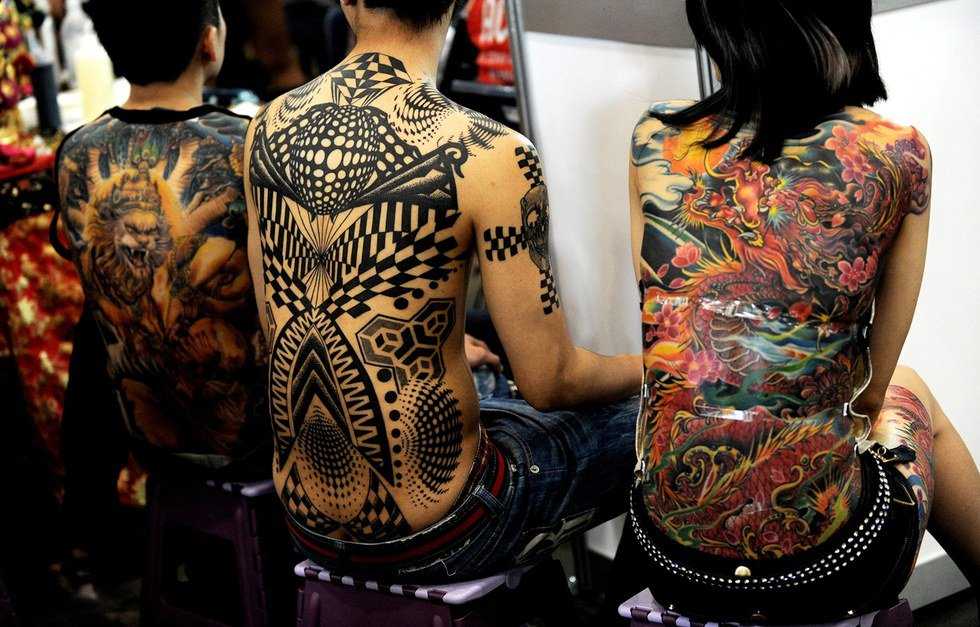
This isn’t exactly the first time this has happened. Similar (and usually thirty or older) people, are frequently and (surprisingly) vocally shocked and critical that my parents allow me authority over what is done to my body. My haircuts, my frequently non-normative forms of dressing, and my piercings and tattoos all, to them, warrant a comment. My parents have consented for me, although I am a minor, to get lobe, industrial, tragus, and septum piercings, as well as tattoos— all before age eighteen. I recognize this is a gesture of trust and respect: they know that I am logical, mature, and not capricious in my actions and decisions. They understand the thought and reasons behind my bodily choices. Although neither of them is personally, in their words, “a fan” of getting piercings and tattoos, they are pro-choice in every sense of the word.
It's still hard to believe that this occurs with something as changeable as one’s haircut. What surprised both myself and my mother was not only that she had the audacity to make an unsolicited comment about my decisions, but also that she cared so much about one of the most transient body modifications out there. It’s hair, and as long as you’re healthy, it’s going to grow back in a relatively short period of time. There’s little commitment involved. So, why does she care so much, and why do others like her become personally offended at the way that people like me choose to present?
I think it has to do with maintaining the so-called social order. Those who present typically do so, in part, because they view it as normal and therefore as the most acceptable. They feel that the security afforded to them by way of their normal presentation is being threatened when people dare to present in non-normative ways. This rings true with more serious issues and differences, as well—and in those cases entails not only individual and minor prejudices but full-out oppression.
With more and more people, young and old, transgressing formerly strict norms, the future still looks bright for those who choose to express themselves in unique ways— whether that’s hair, makeup, tattoos, piercings, clothes, or a combination of those things. The fact that incidents like the one in the beginning of this article happened, however, indicates just how much others continue to concern themselves with the choices of strangers. It reaffirms what many know to be true already: even though bodily autonomy is supposedly championed by many in our society, many more will still resist it even in its most minor, everyday expressions.
It is my hope that in a decade or two, when I have a child of my own, they will be able to present themselves however they please, and that if I consent to their tattoos and piercings when they are a teenager, neither of us will be forced to deal with judgement or condemnation because of it. Perhaps that is idealistic of me, but I do dream of a future in which self-expression is truly free (by which I mean, each person is able to peacefully exist just as they are, as long as they are not harming others).
Even if we are still criticized, though— I have found that my ability to deal with stares and comments based on eccentric attributes has made me a stronger, more autonomous individual. The aspects of my appearance that evoke unsolicited comments are the aspects I treasure the most— because they are not only an expression of my creativity, but also one of my courage.