

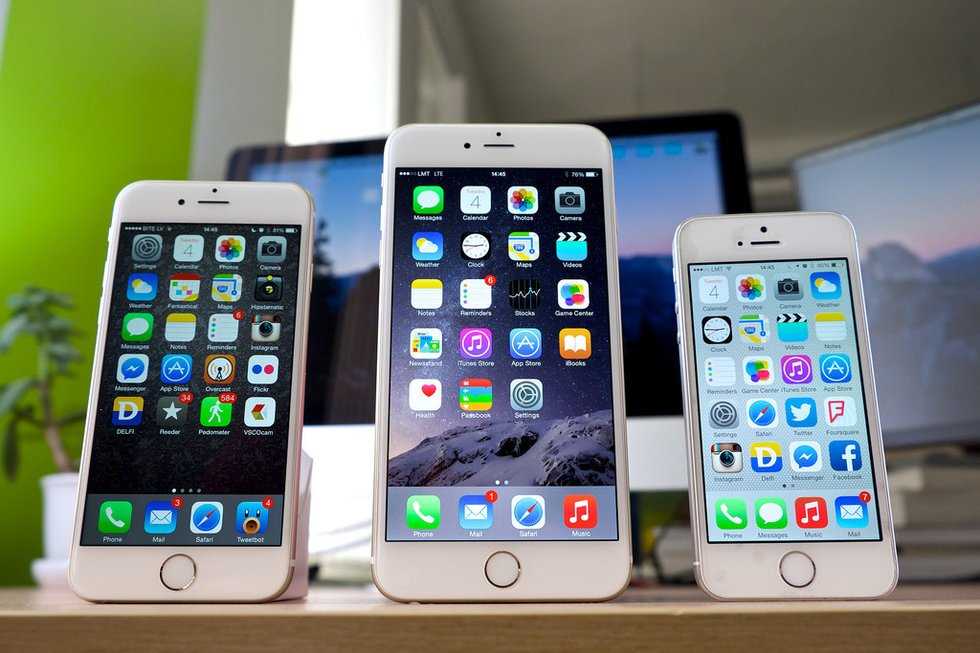
I’ve finally decided to get a new phone since I’ve had mine for a few years now. The battery won’t hold a charge anymore. There’s a crack in my screen. It’s beginning to slow down. And to top it off, the Note 7 has some new features that I think are worth upgrading for, from the Note 4.
I always wonder, though, why do we always want the latest and greatest? I could just buy a new battery, replace the screen, and restore my phone to factory settings. My phone still wouldn’t be the fastest or the nicest but it’d be considerably cheaper than buying a new phone. So why do we always feel the need to buy the newest version?
Planned obsolescence. I’ve always heard the term used when someone is outraged at some decision some company made. Usually, it’s used to describe some conspiracy theory depicting corporations as evil, money-sucking entities, which is a fair point to make. But planned obsolescence is only the product of a company's goal and a consumer’s willingness to buy.
Planned obsolescence is the strategy of a company to create products that rapidly become obsolete, but it doesn’t have to be out of avarice or greed. Companies are made to generate revenue, and what better way than to annually sell expensive products. Companies, like Samsung and Apple, use phone service providers to reduce the cost of the phones for consumers. Because of this, we’re used to paying only a $300 for a brand new phone that would normally cost $850, and sometimes we pay over the period of a year or two.
Why would a company design phones that last years longer if people will buy a new phone every year? But how are people supposed to stop buying phones every year if their phone comes to a crawl after two? Well, the same way that any other product is maintained. To prevent having to replace a broken screen, buy a case. This will also help protect the sensitive electronics from becoming damaged over time. Buy a new battery if you can replace it, and buy a phone with a removable battery if you plan on keeping it for a while. Restore your phone every once in awhile. These will all help keep your phone feeling and looking brand new.
Planned obsolescence isn’t exclusive to phones, though. There are only a few products that are meant to last for as long as they are maintained--think of tools or cars. On the other hand, computer hardware, TVs, and printers; most products like these are built with a specific lifetime in mind. The only difference between them and phones in this regard is that phones are subsidized by the companies so that they can be bought more often. If companies subsidized $1000 of a $1500 TV, I’m sure there would be a whole lot more $1500 TVs in peoples' homes.
Planned obsolescence isn’t proof that corporations are evil, greedy entities. It’s proof that consumers don’t care how long their products last. If you want to change that, then don’t upgrade every chance you get. Most phones aren’t worth upgrading anyway.