
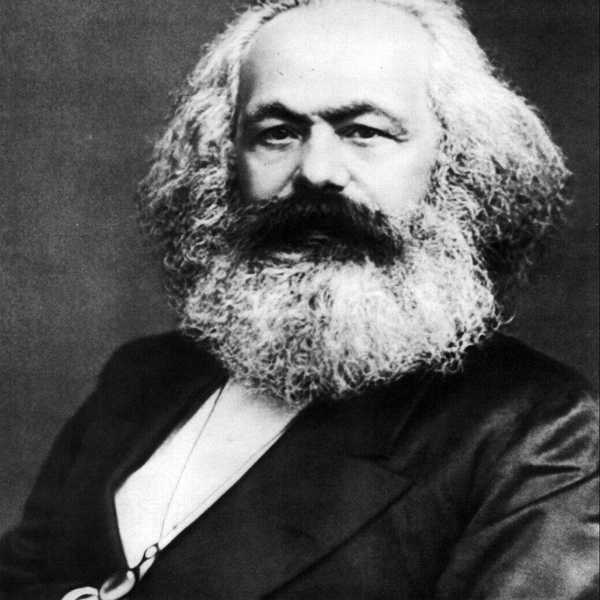

Charles Darwin's theory of evolution enforces the measure that species are developed by the process of natural selection. The most-fit of the species would compete restlessly in order to survive and reproduce, and the least-fit would die. Whether or not one supports Darwin's theory, his insight has predicted much of what our modern society runs on. A ruthless competitiveness exists that is shelling off the lesser qualified.
Even worse, it is often guilty of excluding the most qualified. Twenty-first century survival of the fittest has become, as emerging pop-singer Halsey suggests in her hit "New Americana," survival of the richest. In addition, our nation has been plagued with racism, sexism, prejudice based on socioeconomics, and an array of unnecessary antagonisms that is constricting our ability to grow as a nation. Competition is seemingly meaningful. The pairing "healthy competition" even takes the effort to rationalize it.
Collaboration is a healthy alternative. It works to massage the competitive knots in one's back and reminds all players of their potential contribution. It is a way to engage with and learn from others in a productive and efficient environment. Unlike competition, where rivalry with one's neighbor limits self-awareness, collaboration maximizes one's sense of self and enables the collaborator to synthesize with his/her/their identity. Collaboration, best done both intra and inter-sectorally, reminds participants of the specific and active role they play in everyday routines. It fosters creative ingenuity and identifies issues that need attention.
A recent article in The Economist titled "The Collaboration Curse" posits that the modern naivety to frequently collaborate has imposed a distraction to individuals who need the time to think. The author writes, "only by concentrating intensely [that] you can master a difficult discipline or solve a demanding problem." However, why shouldn't the individuals performing "deep work" collaborate to potentialize the opportunity to be influenced by another collaborator's ideas or mistakes? Aren't there limitations to just one mind? The writer's respectably provoking ideas shed light on an issue with the organization of the collaboration. If certain meetings are seen by workers as a nuisance, those meetings need improvement. Best collaboration makes efficient use of time and reminds those involved of its necessity.
Bill Nye says, "Everyone you ever meet knows something you don't." I, like Nye, find value in interaction and write with the hope that collaboration will offer reciprocity. And, if time is the issue, life is too short to be isolated.