

As a person reading this, you have privilege. Privilege to internet and access to information.
As a student at a private liberal arts college, I have socioeconomic privilege. In the United States, we all have some type of privilege, whether that be a racial or economic advantage, it is evident to acknowledge the systemic flaws that our government has as an institution.
“We need to be clear that there is no such thing as giving up one’s privilege to be ‘outside’ the system. One is always in the system. The only question is whether one is part of the system in a way that challenges or strengthens the status quo. Privilege is not something I take and which therefore have the option of not taking. It is something that society gives me, and unless I change the institutions which give it to me, they will continue to give it, and I will continue to have it, however noble and equalitarian my intentions.”
−Harry Brod
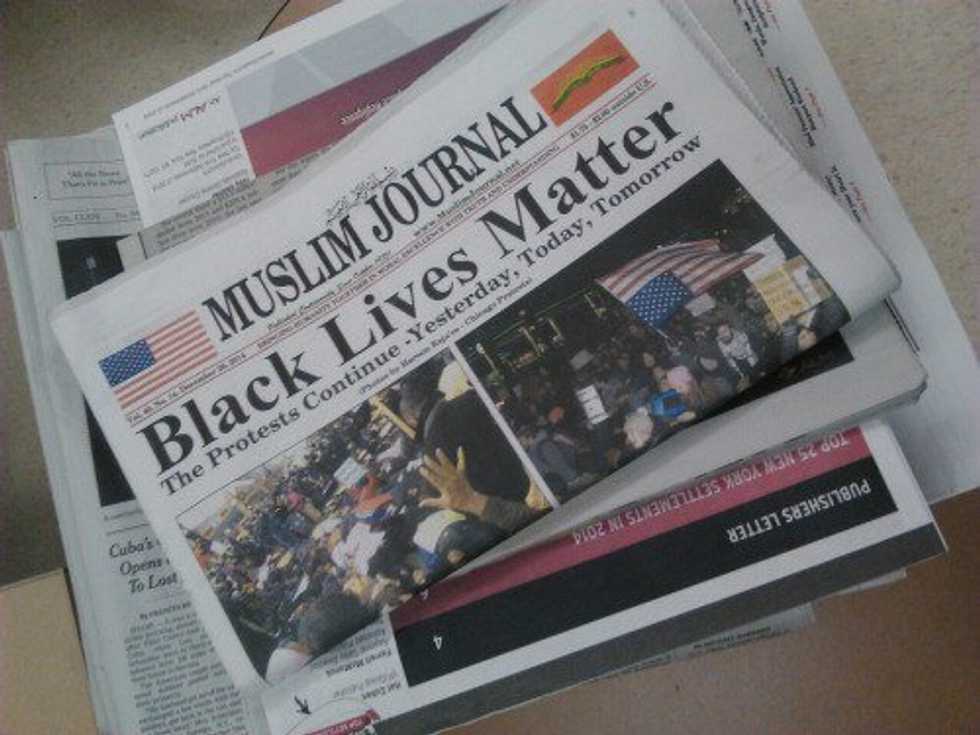
The relevance of addressing this issue as millennials is prominent in the media. With cases such as Michael Brown in 2014 or Sarah Bland this summer of 2015. The call to action to fight against the oppression of people of color is needed in order to progress equality in America.
But how, as people, do we fight the system?
The LGBT movement is a prime example of this. Through people's diversity of values and morals, members of the LGBT community struggled to find their place in society after deciding to live openly. But though compassion and empathizing with fellow LGBT friends and family members, our society created a wave of social justice for marriage equality. The fact that the LGBT community was so prominent in the daily lives of Americans had people coming to terms with the fact that sexuality does not define an individual. And although, marriage equality is not the last battle for the LGBT community and its allies, compassion and tenacity has been a formula for moving forward as a social justice movement.
The post-feminist movement is another group that has been on the forefront of fighting the institutional flaws that this country faces. The Feminist movement has evolved to now being a common theme in mainstream media as well as praised through a variation of social media outlets. Through the globalization of feminism, issues such as equal pay and rape culture, have become a common conversation at universities, rallies, and political debates.
The millennial culture has benefited these movements and can further address the issues of institutional racism. But it is through acknowledging the kind of privilege that one has, that will move equality to a top priority in the daily culture we live in.
As a woman of color, I can only truly understand the struggles that my gender and race have historically struggled through because I can personally identify as such. But it is with empathy and openness that I can hear other’s stories and begin to understand the journey, importance and human rights that every group is entitled to.