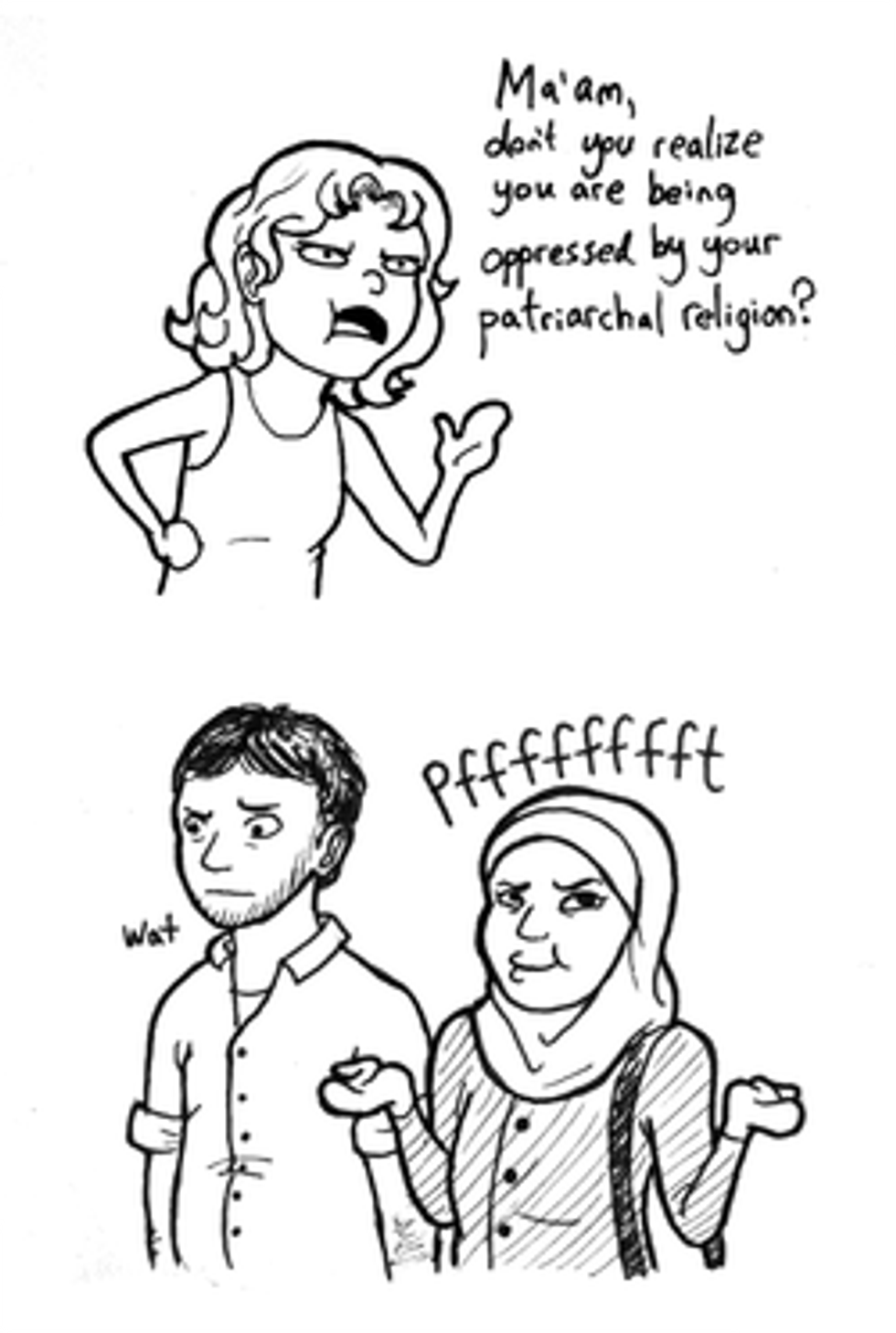

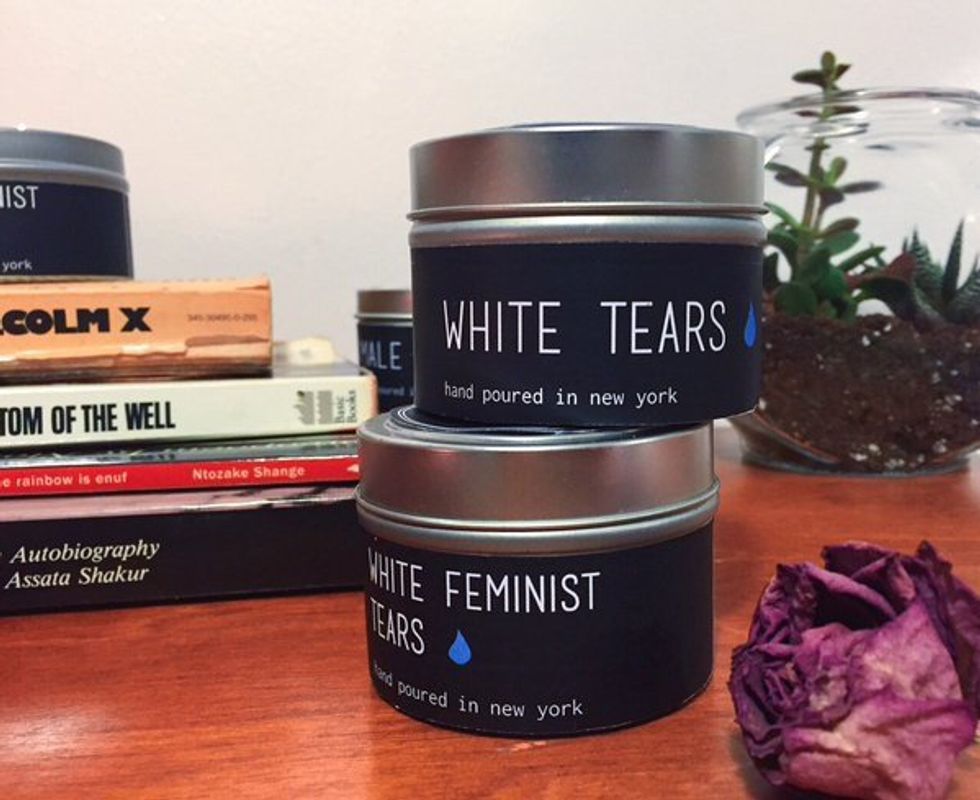
While I fully support the feminist cause, there is one major issue that I have seen within feminism recently, and that’s white feminism. This doesn’t mean that all feminists who are white are problems. But there is a trend among feminists who are white to follow a particular brand of feminism that ignores intersectionality, erases conflict and issues by promoting the idea of a sisterhood and focuses on problems mostly central to white females. These ideals are perpetuated by celebrities and are preventing feminism from becoming more inclusive and developing as a cause.
The beginnings of white feminism aren’t unique to this wave of feminism. During the time the suffrage movement was gaining popularity, those of lower class and of minority races were often shut out of plans to gain voting rights. There was an opinion from the upper class women that they should first get the right to vote, and then worry about “other” women. After all, they wouldn’t want to rock the boat too much.
This dismissal of women of other classes and races besides white and upper/middle class has now manifested itself in the way we discuss the cause’s issues. There is a primary focus on the issues affecting white, upper/middle class women and a lack of the same enthusiasm for issues unique to women of different races and classes. White women hold most of the forefront positions in the feminist movement, and some claim struggles of race and class to be irrelevant. That ignores intersectionality, as race, class and gender all work to make a person’s identity and shape their treatment in society.
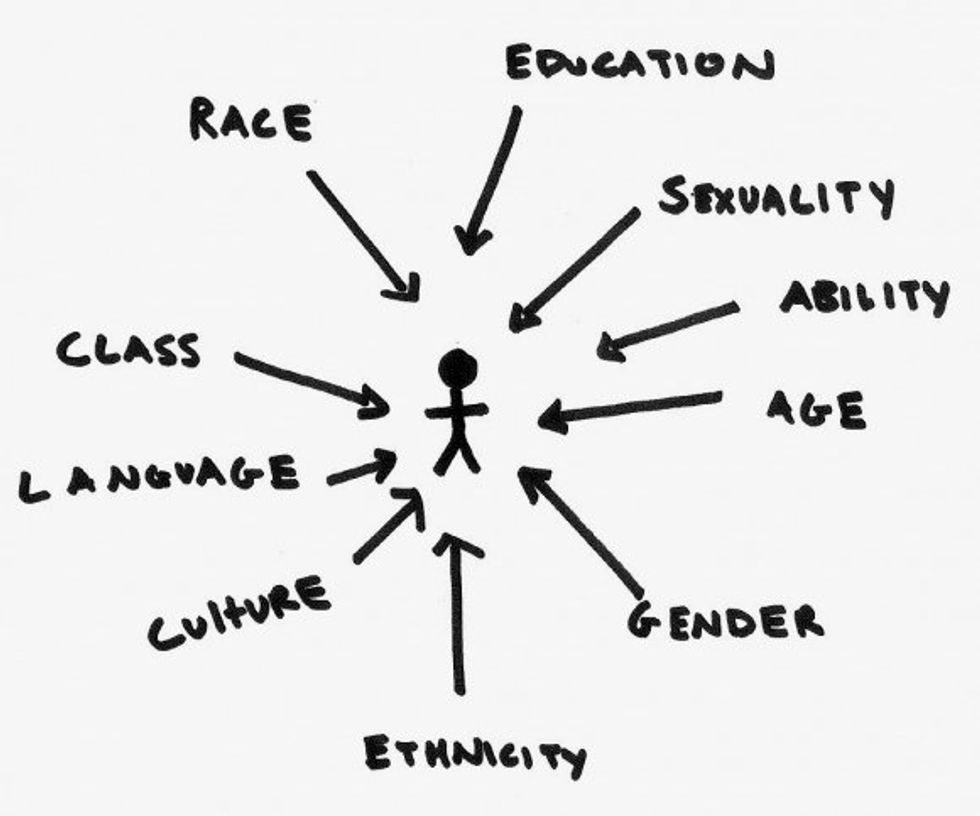
To suggest that women’s rights should only ever discuss gender is, therefore, not logical. Race and class and other factors, are all part of a person’s identity and cannot be separated. Feminism must focus on the needs and issues of all women, and to do that it must acknowledge race and class issues as well.
Not only is recognition of intersectionality a problem with white feminism, but the handling of the discussion of race and class is as well. Often, white feminists will minimize tensions that women may have with each other because of race or class, and claim that all women need to “stick together” and that there is some sort of “sisterhood” which bonds every woman with every other woman because of experience.
While solidarity is a great concept, this “sisterhood” idea is majorly problematic. It fails to recognize that women do not all have the same experience. Growing up a middle class, white woman is not the same as growing up as a poor, Latino woman. There are struggles and compounded marginalization that a woman of color or of a lower socioeconomic status will experience that a well-off white woman might never have to.
Because women have different experiences, the assertion of the “sisterhood” makes women feel as though they cannot voice certain issues in case it is seen as making conflict between women and breaking that “sisterhood.” Regardless of the fact that not every woman has felt or should feel the need to bond and skip merrily with every other woman into the sunset, this mindset ignores conflicts and hinders honest discussion. A system of support between women can certainly help, but forcing a universal bond that is not there only leads to mindlessness and the unnecessary policing of women, something that feminism strives to eliminate.