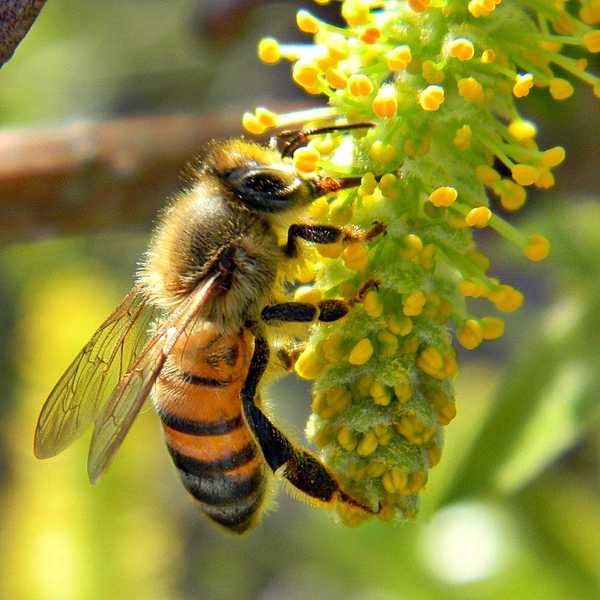
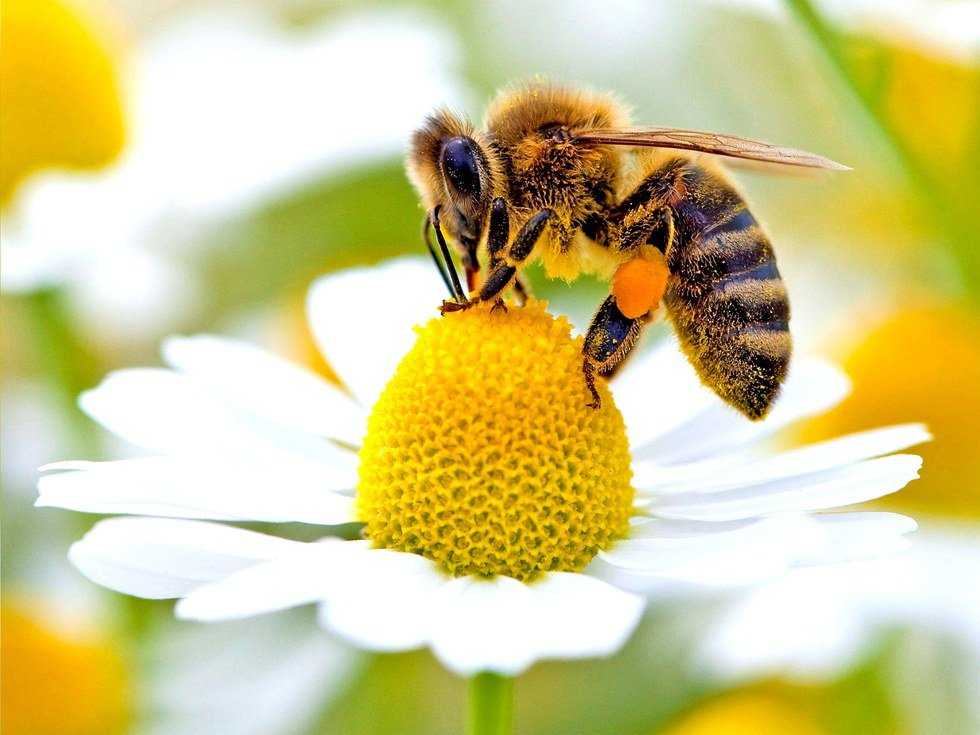
Bees are the largest portion of the pollinator group. Pollinators spread pollen which fertilizes plants, making them capable of producing fruit or seeds. Bees are credited with pollinating close to one-third of food worldwide. With bees vanishing at such a rapid rate, many plants have the potential to become very rare or extinct in many regions. Bees also make honey and wax which are very popular resources. Worldwide, bees have about a 302 billion dollar annual economic value.
Scientists say that there are many factors in the major global decline of the bee population, which makes pinpointing and finding a solution very complicated. Colony Collapse Disorder (CCD) is one factor making a big impact on the bee population. In 2012 alone, around half of honeybee hives were wiped out due to this phenomenon. Colony Collapse Disorder is when bees leave and never return back to their hive. There is not a single factor to blame for CCD; all factors that are possible causes of bee decline are possible reasons for this independent phenomenon as well. CCD is occurring around the world: Egypt, China, Europe, USA, Japan and the Middle East have all reported signs of Colony Collapse Disorder.
Another reason why the bee population is experiencing major decline is due to habitat loss. Construction and new infrastructure destroys the environment bees live in. Other ways bee environments are drastically changing are from planting flowers that are unfriendly to pollinators and growing crops without saving an area of habitat for wildlife. Because bees can’t live in these changing environments, large masses of bees leave to find better habitat, which keeps the cycle of CCD in a constant swing. But for the 90 percent of bees that are solitary, their nests in the ground are also being harmed greatly. These solitary bees that make up 90 percent of the bee population are the ones in the most trouble. Beekeepers can not help them or make hives for them since they are not a part of social groups.
Also impairing bee’s habitat is climate change as a whole. With temperatures rising, flowers are blooming earlier than in the past, as well as surviving a shorter period during the growing season. Many bees and plants have evolved together due to their mutual relationship. If flowers are blooming earlier, bees have a worse chance of pollinating and receiving nectar from these flowers. Because flowers bloom early, they die before the growing season is over too, cutting food shortages for bees that have not adapted to the early shift in flowering.
Another major contributor to the bee decline and Colony Collapse Disorder are pesticides. Neonicotinoids are a specific kind of pesticide that big companies like Bayer and Syngenta produce. Neonicotinoids are sprayed on or in the soil of the crops to prevent pests and disease that can harm the harvest. Unfortunately, these chemicals also kill bees. Africa, Asia, Australia and South America still use neonicotinoids today. The European Union has placed a ban on neonicotinoids. This ban forbids the use of imidacloprid, thiamethoxam and clothianidin, however, there is a lot of debate between companies producing clothianidin and the ban due to research proving that that certain neonicotinoid does not have a direct effect to the bee decline. Unlike the rest of Europe, the United Kingdom has suspended its ban on neonicotinoids, adding to the list of places agreeing to the use of these harsh chemicals.
Some groups are doing their part to stop authorities from allowing these harmful actions to take place. Avaaz is an organization gaining signatures for petitions to support bees by educating the public about bees and ways that they can help their government make the right choices. This group urges European and other countries to “put our health and our environment before the profit of a few.” Other groups are rebuilding hives or creating bee sanctuaries but, sadly, these organizations are small and do not have global reach. Luckily, the average person can do their part to help the bees. Planting plants that are friendly to attract pollinators and being good to the environment are tasks that help the bee population.
Although bees used to be a childhood menace, they are dying out, which, in turn negatively impacts human food sources. Several issues are causing the bee population to plummet: Colony Collapse Disorder, changing environments, climate change, and pesticides. Avaaz is an organization doing their part to give the bees a voice by raising awareness. It is also beneficial the average person takes steps to take care of these small insects, too. Staying ignorant to the bee decline can have devastating effects and ruin the whole balance of the Earth. Remember to BEE nice to the bees; they deserve it!