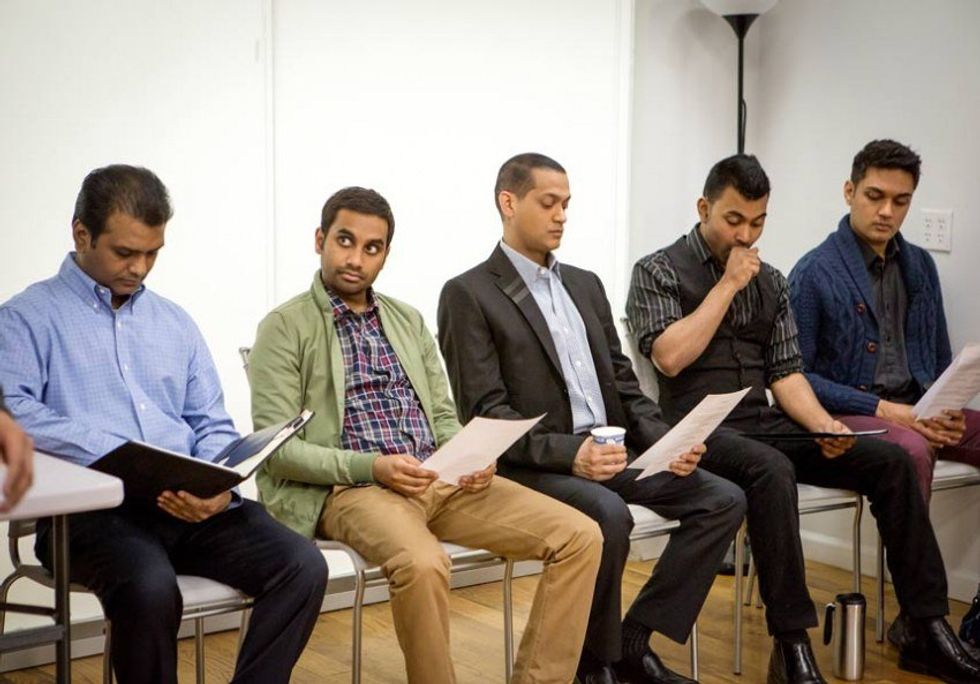
In a New York Times article published in late 2015, Indian comedian and actor Aziz Ansari stated: “Even at a time when minorities account for almost 40% of the American population, when Hollywood wants an “everyman,” what it really wants is a straight white guy. But a straight white guy is not every man. The “everyman” is everybody.”
I think we can all agree with that statement considering the media we consume daily: just think about your recently watched on Netflix. There’s a good chance the protagonist was a white, straight cis male. In America, the opportunity gap created by the regular oppression of minorities has also become deeply embedded in entertainment, primarily television and film. This issue becomes obvious through the shocking ratio of minorities to white actors, the exploitation of minorities in media, and how it doesn’t correlate with audiences.
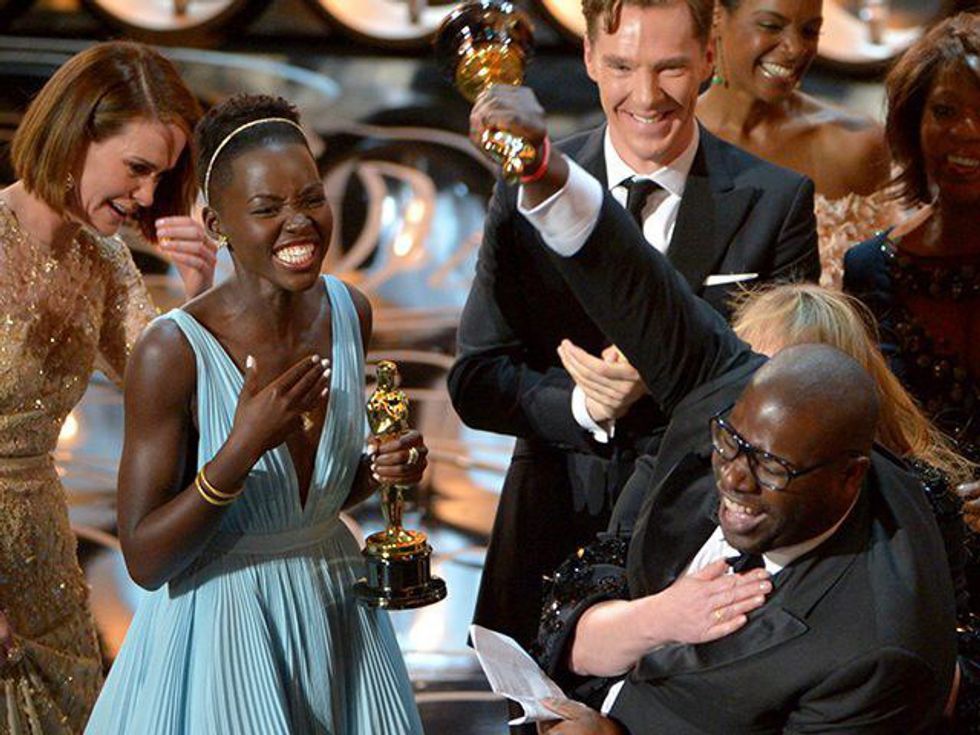
The ratio of minorities to white actors in Hollywood is shocking. In 2013, according to a report by U.C.L.A., only 16.7% of of film leads went to minorities, only 6.5% in Broadcast TV, and 19.3% in cable. Between the recent $100 mil success of The Butler, 12 Years A Slave, and The Best Man Holiday, there was a lot of discussion about how 2013 marked a turning point for black filmmakers in Hollywood. But just because it appeared to audiences that Hollywood was presenting itself as catering to minorities with movies that attempted to showcase an all-black cast, the ratio still remained overwhelmingly white in most top-grossing movies.
A different study released by USC’s Annenberg School provides some stats to put these high-profile titles in perspective. Examining 500 top-grossing films released in the U.S. 2007-2012, it studied 20,000 characters and found diversity sorely lacking. “76.3% of all speaking characters are White. These trends are relatively stable, as little deviation is observed across the five-year sample.” Even behind the camera, diversity is still dangerously lacking with “a ratio of over 16 non-Black directors to every 1 Black director,” and only two black women directors among the 500 films considered.
Although our media is chockfull of white representation, the audiences don’t even come close to reflecting the statistics. According to the USC study: “As a point of comparison, 44% of movie tickets were purchased by non-Caucasians in 2012,” “26% of tickets were sold to Hispanics, 11% to African Americans and 7% to people from other ethnicities. Using these MPAA percentages, Hispanics are the most underrepresented group on screen.” Obviously, the representation rates obviously don’t correlate with who’s buying tickets.
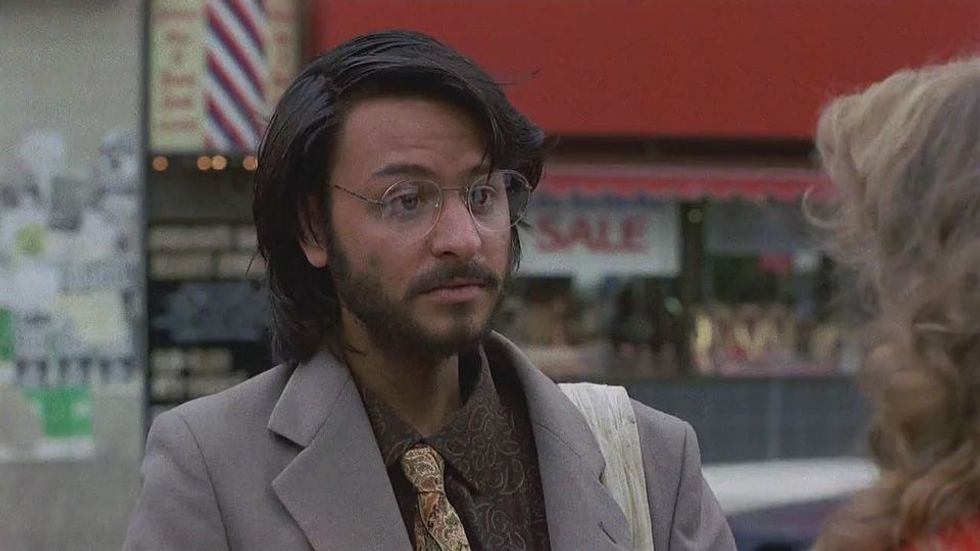
In his NY Times article, Ansari goes on to highlight his amazement with the 80’s film Short Circuit 2 that depicted an “Indian” man as the lead role. Yet he later found in an IMDB article that the actor, Fisher Stevens, was actually white man in brown-face and even though that might be shocking if it happened today just goes to show that only 30 years ago Hollywood would rather insult an entire race than cast a single Indian man for an Indian role.






 man running in forestPhoto by