
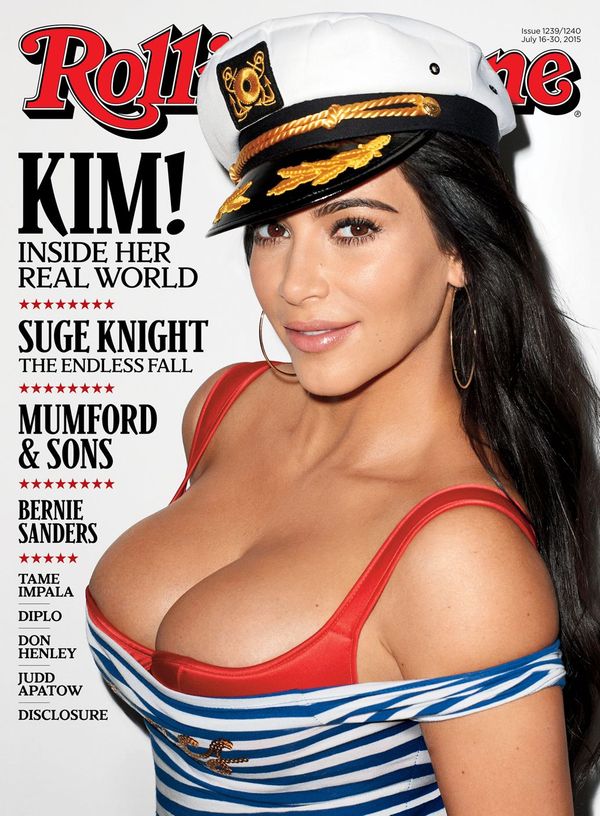

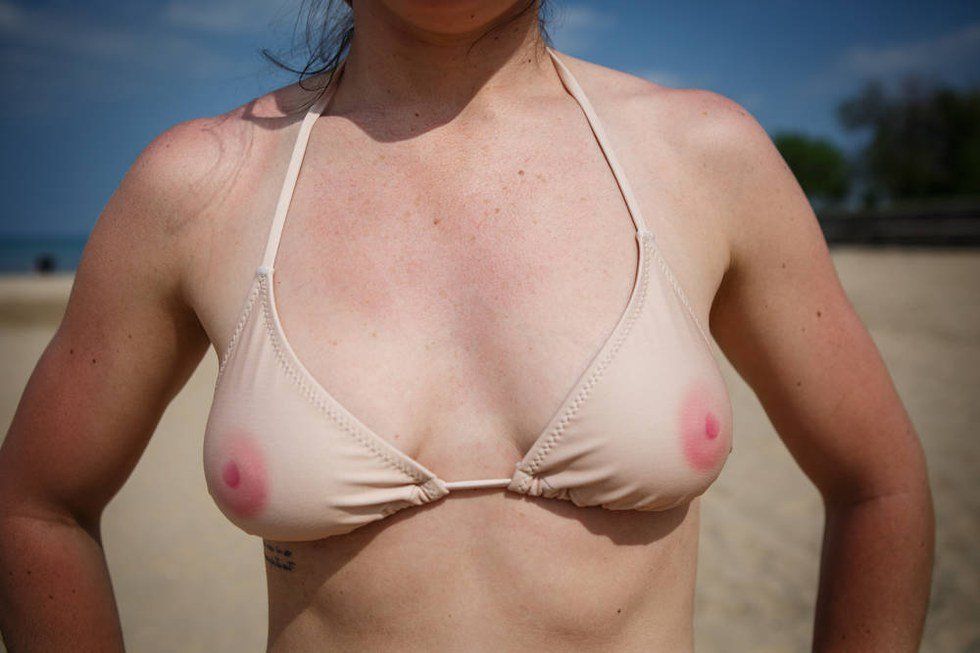
Since its launch, the Free The Nipple campaign has caused controversy and started conversations across the nation. Questions like, "Why are women fighting for the right to go topless when there are bigger issues facing women, such as the acceptance of rape culture and the growing wage gap?" have been the main criticisms of the campaign. On the surface, Free The Nipple seems like a fruitless cause, so I decided to dig a little deeper and here's what you need to know to form an educated opinion on the movement.
Filmmaker Lina Esco launched Free The Nipple in 2012 in an attempt to target sexist public nudity laws. Her idea was that children see more than 200,000 acts of violence and 16,000 murders before the age of 18, so why is the image of a woman’s nipple considered so damaging? Nipples are just a natural part of a woman’s body and sexualizing them is damaging to women and girls everywhere who want to be proud of their bodies. Since the start of her campaign, Esco has gained an enormous following, including celebrities such as Rihanna, Miley Cyrus and Willow Smith. Women are using this platform to speak out against the over-sexualization of women’s bodies and question the double standards women are held to.
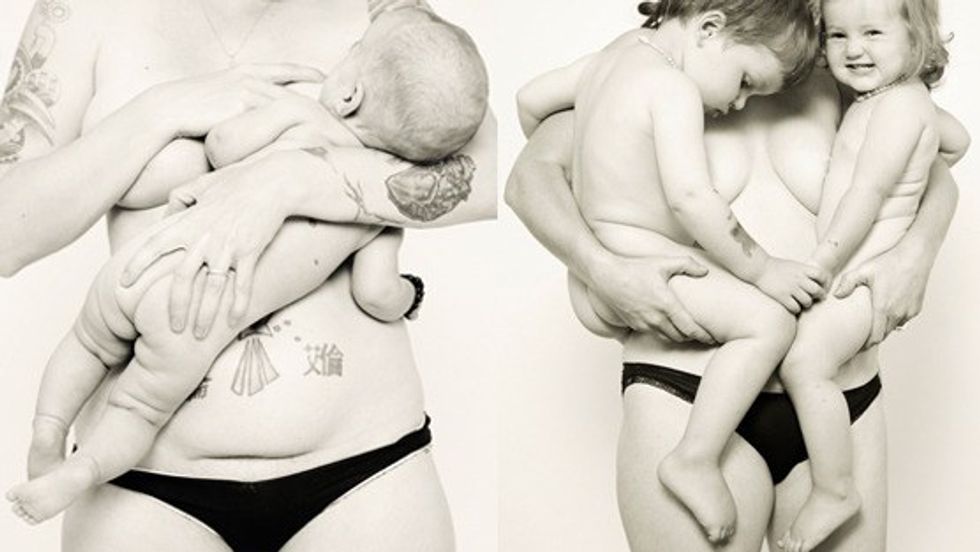
For example, photographers Ashley Wells Jackson and Laura Weetzie Wilson captured the bodies of mothers after pregnancy for their project titled "4th Trimester Body Project." Photographs of mothers posing in undergarments and breastfeeding their newborns have been flagged and removed from social media sites such as Facebook and Instagram and their accounts have been shut down multiple times. Jackson and Wilson argue that these photos are important for women to see; women need to see what real bodies of mothers look like instead of being force-fed photoshopped images that the media is putting on the internet. Because these images are not sexual or pornographic in nature, there should be no reason that they cannot be posted to their social media accounts.
In an article written for Time, Esco says, "I came up with 'free the nipple' because it’s engaging and funny — and the fuel we needed to start a serious dialogue about gender equality. The shaming of the female nipple is a direct reflection of how un-evolved this puritanical country is. You can pay to see women topless in porn videos and strip clubs, but the moment a woman owns her body, it’s shameful."
The big thing to take away from this is to understand that the goal of this campaign is not to allow women to run around topless in public, but to allow them to reclaim their bodies and point out the double standards women are held to.
So, what do you think? Is the campaign effective, or is it too much too fast? Is there a fine line between equality and modesty? Share your thoughts on Facebook, Twitter, or Instagram with the hashtag #FreeTheNipple and make your thoughts heard!

















