


Many of us wake up in the morning, head off to work or class, and go about our days focused on a variety of tasks, and occasionally we may find ourselves under the weather or experiencing depressed thoughts. Some of us, however, find chronic illnesses plaguing us day after day, and whether these are physical or mental, we can often feel as though our lives are dictated by these maladies. We are able to socialize and attend to our duties just like our peers, but even though we may seem functional, there are symptoms that lie beneath and remain invisible to other people. I myself find that certain physical and mental illnesses have impacted my life for quite some time, and with even more difficulty I struggle to make them known to my family and friends. Without a cast around a leg or some other identifiable indicator of injury, how are people supposed to know what I am going through?
Chronic illness is defined as any disorder that persists over a long period and affects physical, emotional, intellectual, vocational,social, or spiritual functioning. These illnesses can include asthma, allergies, fatigue syndrome, lupus, Crohn's disease, sinus problems, joint problems, immune difficulties, and just about any malady that plagues an individual for an extended period of time. It is estimated that 133 million Americans – 45 percent of the population – have at least one chronic disease. Would you know that chronic diseases are responsible for seven out of every ten deaths in the U.S., killing more than 1.7 million Americans every year? Chronic diseases cost us unimaginable amounts in health care as well as quality of life, but time and time again we tend to overlook these illnesses . . . especially if they are invisible. That number is projected to increase by more than one percent per year by 2030, resulting in an estimated chronically ill population of 171 million. If these numbers are only set to increase, it is about time we tackle the stigma and make it easier for chronic illness sufferers to speak out about their lives.

For those who suffer, there are ways to ameliorate symptoms but no definite manner of ridding them for good, which can pose as a lifelong challenge. Of course, once a person understands their disorder[s] well, there are ways to manage symptoms and ensure a better day-to-day life, but for others the reasons for recurrent symptoms are unclear. In that case, each day offers new challenges in figuring out how to relieve pain and discomfort, and occasionally this wears on a person. It is frustrating to see other friends enjoy themselves and engage in things a person might not be able to do . . . but we also forget that these people too can be battling their own issues.
It is crucial that we communicate to others, if and when we are comfortable, about the ways our chronic illnesses affect our lives and play a role in our thought processes. For one, we do not want to feel excluded from all social situations, but we may need those close to us to understand what we can and cannot do. Sometimes we are not feeling up to a jog or a party, but that doesn't mean we will never be able to enjoy these outings. Our struggles simply mean that we want to be heard and validated, and even if they might not be visible that they are understood. I do not know when my own chronic illnesses will result in a doctors' appointment or several nights in bed, or whether they will permit me to go out with friends and enjoy my life. The constant fluctuation of my illnesses results in some sure facts: there will be times when I cannot seem to fight infections and others when I can vigorously hike a dozen miles without difficulty. Like myself, other people who struggle to find the source of their symptoms feel at times as if they are overreacting or seeing something that isn't there . . . even when the pain and symptoms are there.
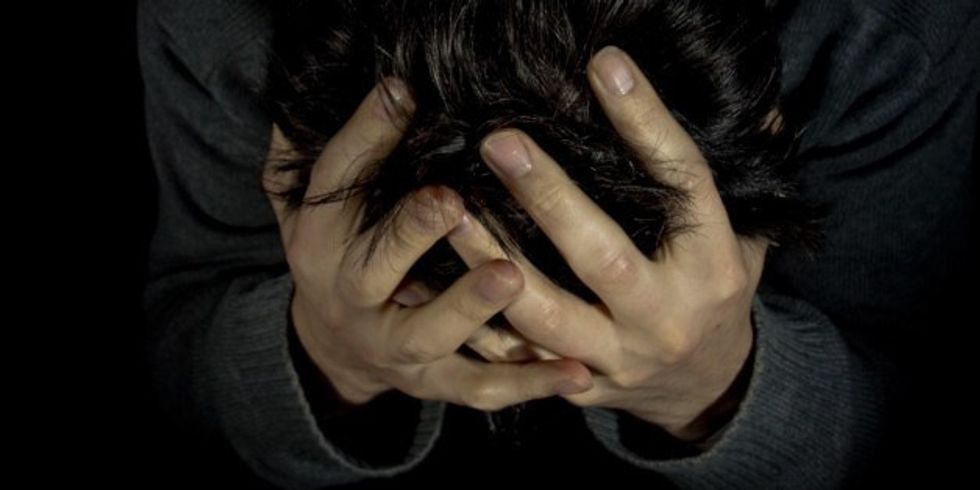
What can we do for ourselves and those around us who deal with chronic illnesses? First, we can learn to be patient with ourselves and appreciate what is working well for us, while also acknowledging that our symptoms are very real and deserving of attention. When our friends and family members are open with us about their own experiences, we can offer the same patience and open minds in order to alleviate some of their stress. Though some of us may be dealing with more difficult situations than others, none of us will know unless we offer an open mind and an open ear. There is a deep frustration in feeling as though your chronic health issues are undermined or misunderstood, and with personal accountability and compassion we can be honest about our lives and communicate.

If we do not share our experiences, there is more room for confusion and judgment. Some people may have dietary restrictions because of their illness, and ignorant people might mistake these restrictions as arbitrary choices. Migraines, headaches, pain . . . all of these can be debilitating but unpredictable. Some individuals deal with physical disability that can manifest in multiple ways, and the bottom line is that we are not fit to make assumptions about other individuals' situations.
Both the individual suffering from a chronic illness and the individual in that person's life need to respect one another and choose to respectfully converse. Without an accepting environment, a person does not feel comfortable sharing the details of their illness, just as the recipient might need an explanation in order to dissolve assumptions. For a person who suffers from chronic (often invisible) symptoms, a little compassion goes a long way.