
Last weekend, the 2017 installment of Coachella kicked off with massive hype over social media. The two-weekend music festival, which takes place in the desert of Indio, California, has become synonymous with big name stars (Beyoncé was set to headline this year before canceling due to her pregnancy) and high-end entertainment. But, despite the dream-like photos of palm trees, flower crowns, and carousels, the event isn't as idyllic as it seems. So, before you load up the Lady Gaga live stream, or anxiously Google how to score 2018 tickets, it's important to be aware of the issues that potentially undermine the event's credibility and moral responsibility.

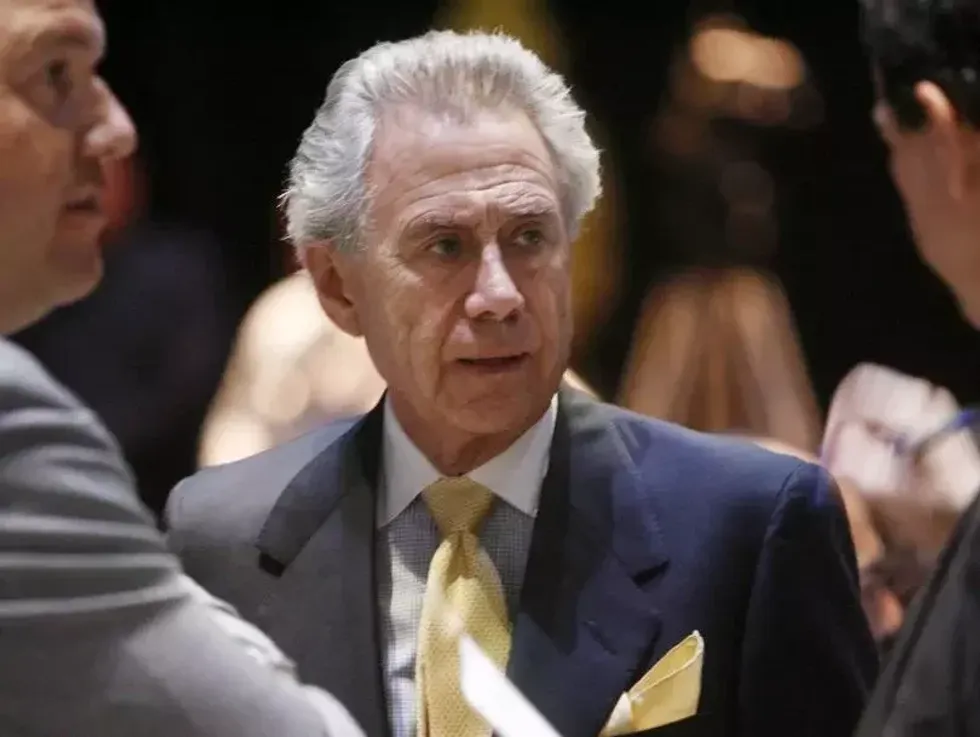
In 2001, Goldenvoice, the promoter behind Coachella, was acquired by the Anschutz Entertainment Group (or AEG). While the festival has flourished under owner Philip Anschutz, the businessman's external ties are undeniably concerning. Anschutz has a history of donating money in support of anti-LGBT initiatives; his other organization, the Anschutz Family Foundation, spent nearly $200,000 in donations to anti-LGBT groups between 2010 and 2013. Although Mr. Anschutz claimed in a Rolling Stone statement that these reports were "fake news," he was recently named an "Enemy of Equality" by Freedom For All Americans. He is also very closely linked with Donald Trump's Supreme Court nominee, Neil Gorsuch (in fact, Anschutz provided the recommendation that allowed Gorsuch to secure a federal court position in the first place). On top of this, he is an adamant climate change denier. While Mr. Anschutz undoubtedly does not represent the values and views of all of Coachella's sponsors, performers, and attendees, he and his agenda are supported whenever the festival is.
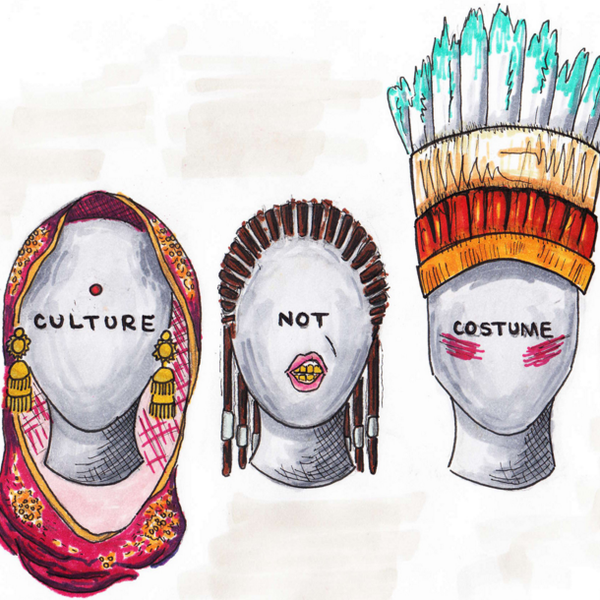
Coachella-goers aren't all innocent themselves, however. Many trends have become prominent at the event, to the point where describing something as "so Coachella" is commonplace;" H&M even released a Coachella-themed line in anticipation of this year's lineup. Yet some of these pieces, such as bindis and headdresses, signify a larger cultural problem: that of cultural appropriation.
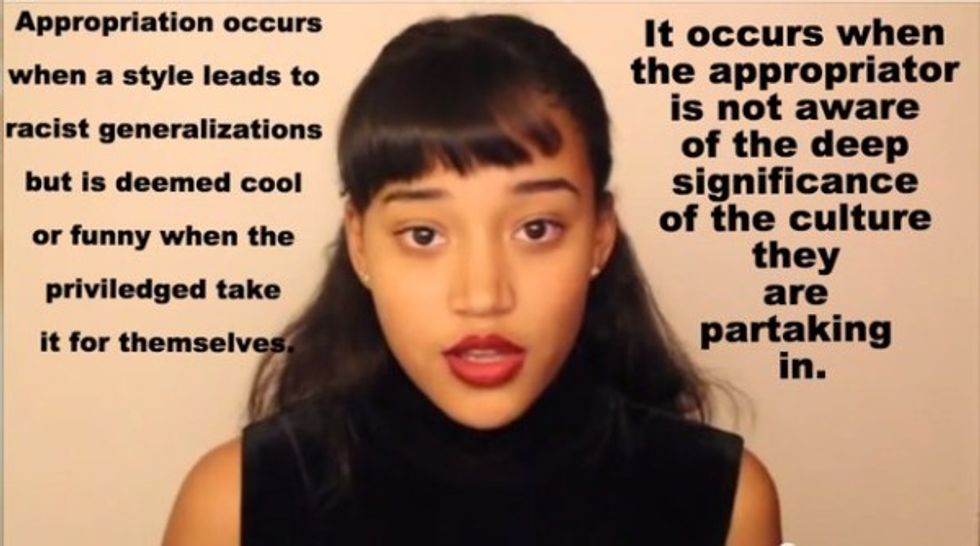
Cultural appropriation describes the adoption or use of the elements of one culture by members of another (often privileged or majority) culture, without understanding and respecting the meaning and history behind these elements.
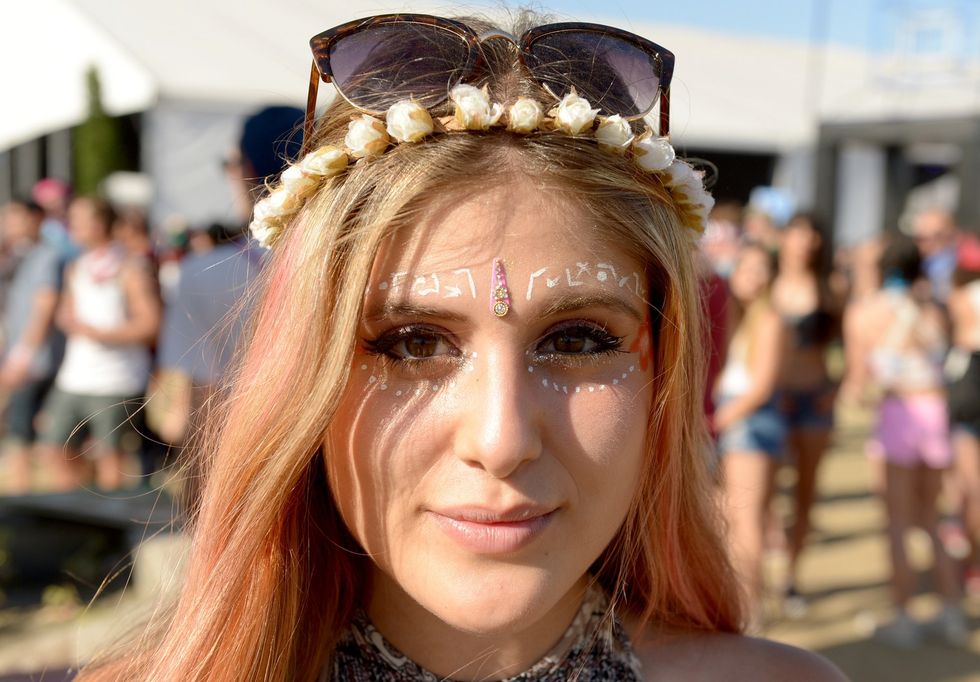
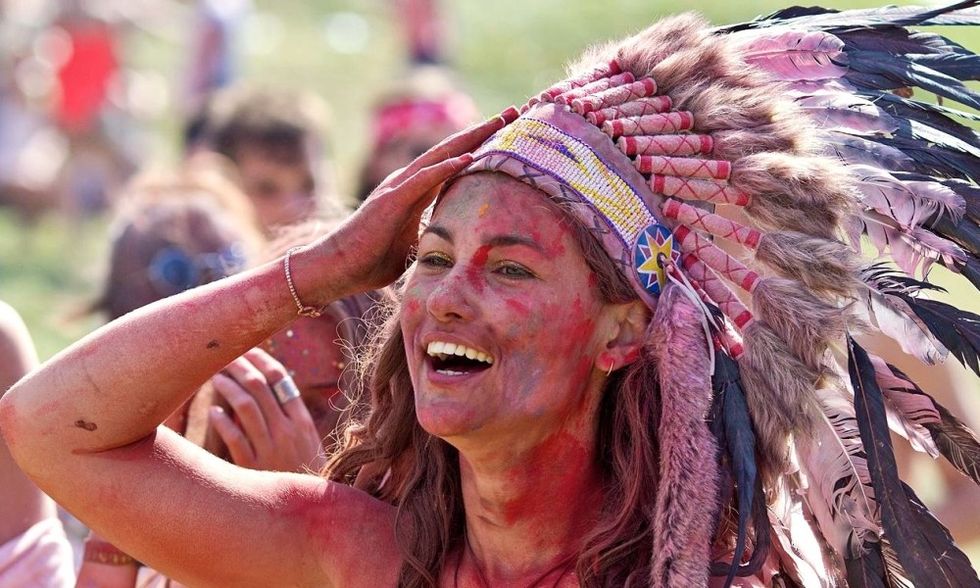
The bindi is a thousand-year old physical for the third eye (a sacred site of wisdom and spiritual development) for many South Asian women. Headdresses are traditionally worn in sacred ceremonies, and eagle feathers are symbols of honor and respect that must be earned. Henna designs date back thousands of years, and have special meaning in many Hindi and Muslim wedding ceremonies.
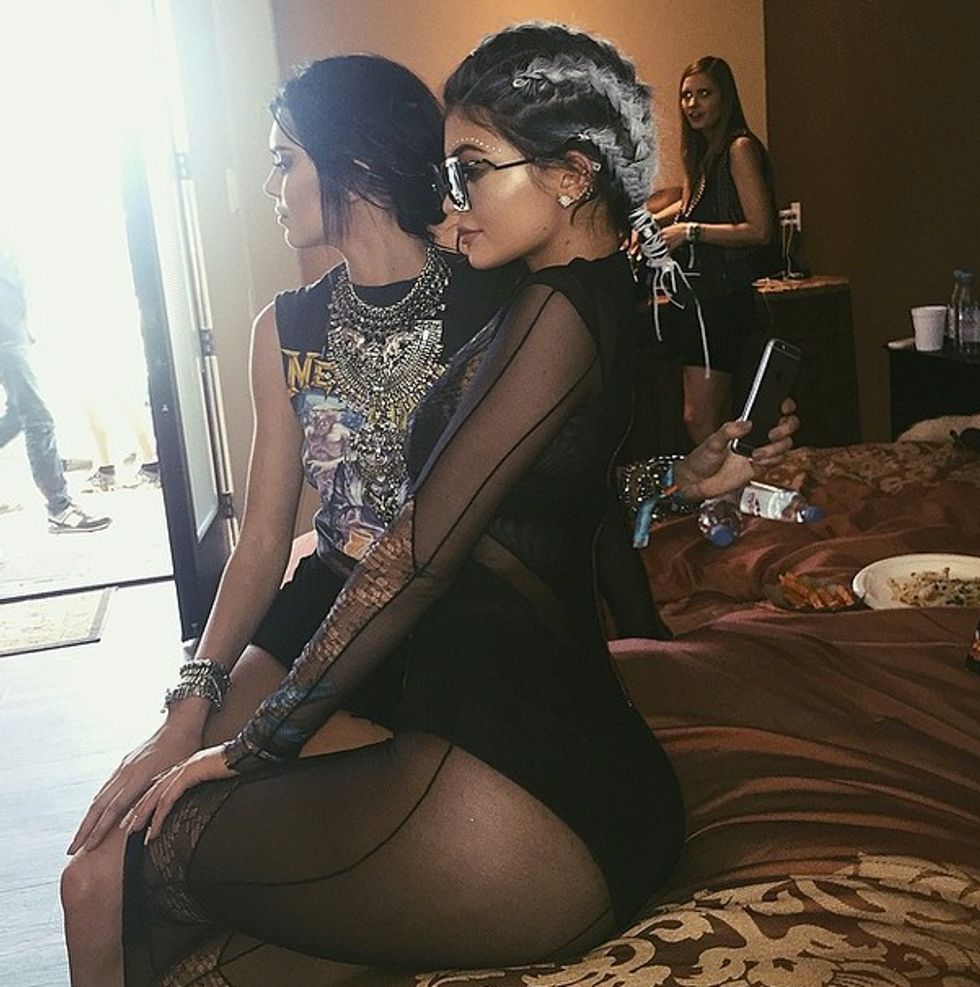
Other cultural and/or racial elements that are often degraded or used as a basis of oppression in their native cultures are routinely praised as groundbreaking or trendy when worn by others as fashion statements. Consider the rising popularity of traditionally black hairstyles, such as cornrows or box braids, among white women. Even today, many black women are judged or even held back when wearing natural hair, from a Kentucky school banning cornrows and dreadlocks, to women being compared to dogs for wearing afros. If women who wear their hair in a way that was specifically designed with their hair texture but face backlash, then why should white women (or women of other races) be able to be praised for appropriating it? While Coachella isn't the end-all, be-all place to solve these issues, eradicating the prevalence of such trends at such a big event is definitely a place to start.
Despite all of these issues, this is not to say that you aren't allowed to enjoy the music and arts content that comes from Coachella, or look forward to seeing your favorite artist perform again. But, unless we recognize our unconscious support of the social problems that are given a platform at the festival, these elements will only grow more and more pressing.