
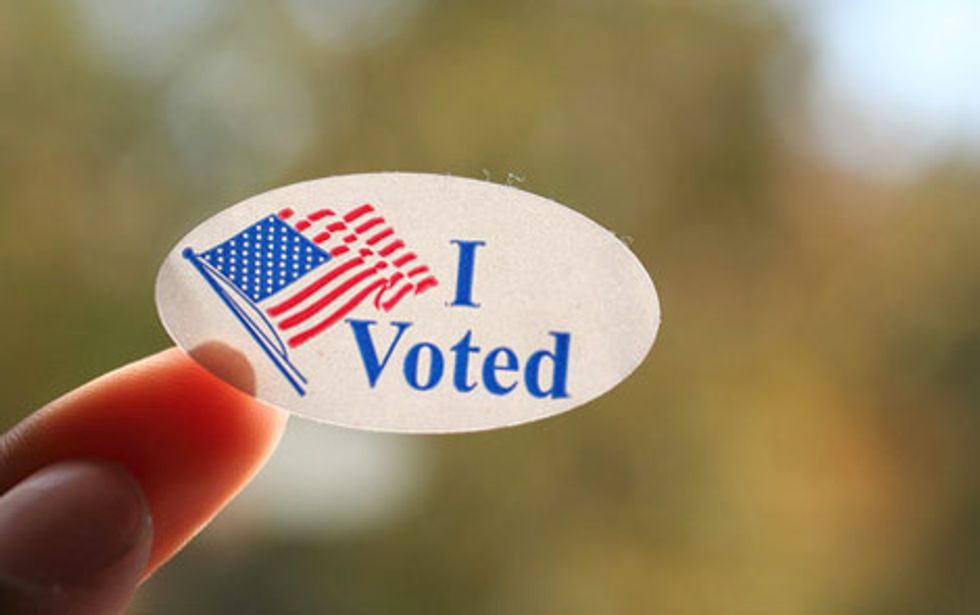
Last Tuesday, November 4th, was Election Day, and the results of those elections brought about hope for change in many policies and positions in the government. But what does the Republican victory over the Senate or changing opinion mean for college students?
The first change brought about by the midterms is the minimum wage hikes in Alaska, Arkansas, Nebraska and South Dakota. This is especially relevant to our generation because 29.8 percent of minimum wage workers are aged 16–24. Students working part-time jobs in these states, as well as states that have previously voted for this, can feel confident that their minimum wage will be tied to inflation and overall price changes.
Another result is the legalization of marijuana in Washington DC, Oregon and Alaska. The states of Oregon and Alaska voted to allow adults 21 years and older to posses a small amount of marijuana and maintain a few plants in their home. Legalization in DC will have to undergo a 60-day congressional review. For college students in these states and others who have chosen to vote in favor of legalization of marijuana, this may reduce the amount of drug-related charges. For students in other states, this result may indicate a trend line in similar votes like this in the future.
Most notably in this week’s elections, Republicans gained control of the Senate and strengthened their control over the House of Representatives. While it is easy to speculate, but hard to predict what will come of this, we can expect that GOP control of Congress will result in changes in spending and policies relevant to topics such as immigration and education. While college students may see no direct change, the success or failure of their agenda will definitely impact our votes in 2016.
Finally, in these midterm elections, millennial voter turnout was low. This is consistent with past midterms, with about 21 percent turnout historically. This may spark more initiatives to increase young voter turnout in 2016, especially by those who feel that young people could swing a vote their way.
2016 will be out next chance to vote for issues and people that we care about. The more we want to see a change that directly affects our lives, the more people our age need to get out there and vote.

















