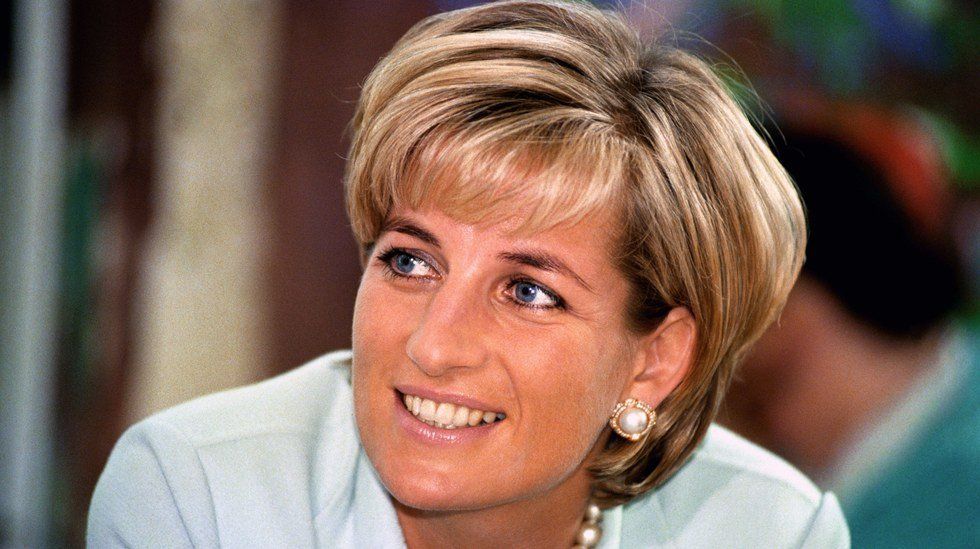
Princess Diana was one of those historical figures that you see a picture of online when you are a kid and ask your mother about it.
I don’t quite remember when or how I asked my mother but I remember what she said, without complexity, she said that Princess Diana was one of the most beloved people the world has even known and when she died everyone mourned her. As I grew older, I gained a better understanding about the British Monarchy and immediately became fascinated by it. Whenever talking about it with my mother, at the mention of Lady Di, she would always point out how horrible her death was, how young she was, how unfair it all had been.
Today, as a journalism student who is currently studying the role of the media on society, I came to look at Princess Diana’s death from a whole new perspective. Usually, news people talk of “when the media fails” when talking about an example of the media’s lack of loyalty to the people or lack of allegiance to the truth, however it seems to me, that the biggest kind of failure the media is capable of is murderer. Princess Diana was murdered by the media.
A lot has been said about how the monarchy affected her life; she had depression, bulimia and suicidal thoughts all because of the pressure directed towards her during her life as a “Her Royal Highness”, but the way the media amplified and made a show out of her feelings characterized a crusade against the princess that started when she married Prince Charles at 18 and ended when she died on a tunnel in Paris at 36. While she used her image to help all kinds of people all over the world, she was criticized because of the way she dressed; While she worked hard to love and protect her sons while dealing with a broken marriage, the media destroyed her because of her lack of desire to play by the rules, because she was dedicated to the people not the monarchic institution.
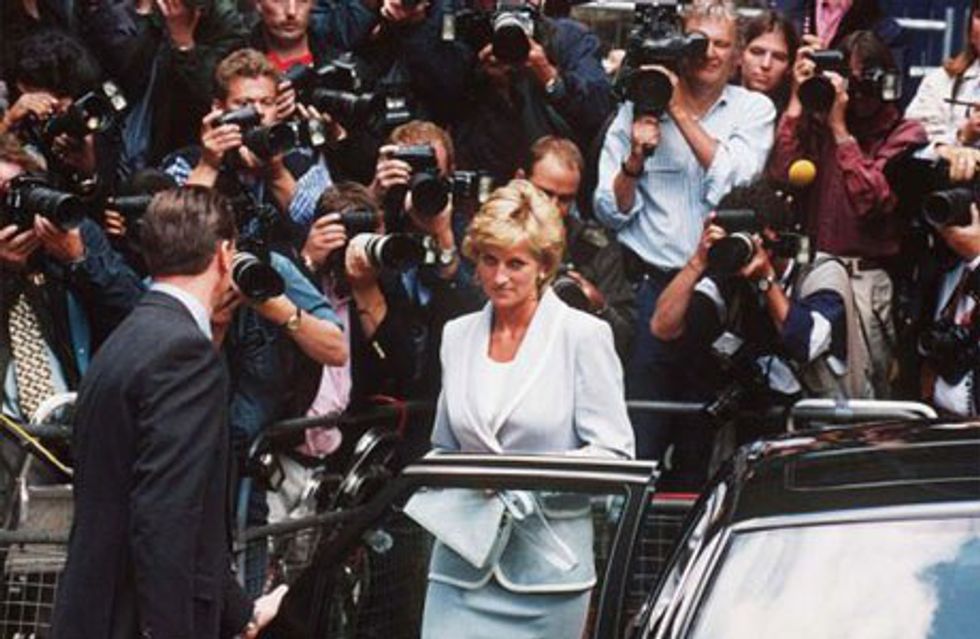
She died while being chased (yes, chased, like a criminal or an animal) by photographers who wanted a picture of her and her boyfriend. Her driver accelerated the car, got blinded by the lights (that partially came from the photographer’s motorcycles) and crashed the car. She died running away from merciless reporters who are happy to make money out of someone else’s misery. This is when the media fails. By essentially killing Diana, the media not only betrayed its own ethical values but it also proved its deadly power. Because of the media, being famous is dangerous, qualities are less emphasized, every mistake is amplified, lack of perfection is condemned.
One may argue that it’s not the media’s fault, but the people’s. The media wouldn’t have been so fanatically harassing Princess Diana if the people weren’t buying the papers and sharing the news. The counter argument consists on the fact that the media although supposed to be the voice of the people is not supposed to obey all public wishes. Plus, it should never engage in any kind of activity that undermines one’s personal rights and privacy (with the exception of investigative scenarios when the law agrees). Gossip and scandal should not be a service provided by the media because being famous doesn’t mean authorizing newspapers and magazines to make a circus out of one’s life. Also, if the media were to follow all popular wishes, it would assume a role of a vigilante acting based on a “public justice” that is not necessarily lawful.
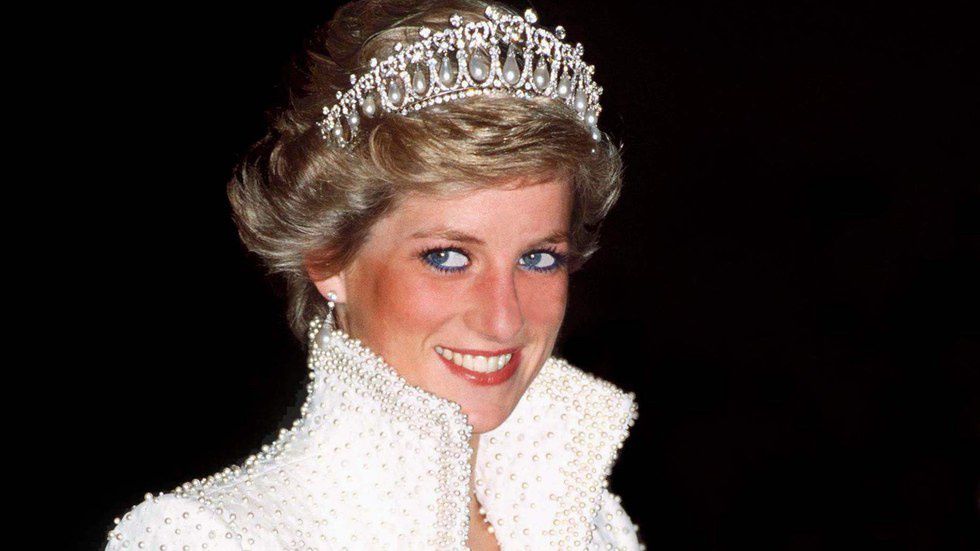
Although people did encourage the media by buying the materials, given the response to her death it sounds correct to say that no one imagined how far the media would go. Princess Diana died for one picture. Besides, people only endorsed the practice because, differently from the cold media who quickly change target from Di to the Queen after the accident, the people truly loved her. And they still do. “The people’s princess” is still a common name when the subject is love, kindness of strength. Nineteen years after her assassination, Princess Diana is still adored and idolized: the media might have killed her, but the people keep her alive.