

The tragedy of the commons is an environmental economic phenomenon where an economic resource held commonly by the public experiences extreme depletion due to each individual’s pursuit of their own self-interest. The concept was first introduced by an example in a pamphlet by William Forster Lloyd in 1833, where he suggested that sheep overgrazing was a result of each herder trying to get as much as they could out of the commonly held land. The term “tragedy of the commons” was first coined by ecologist Garret Hardin in his 1968 article of the same name.
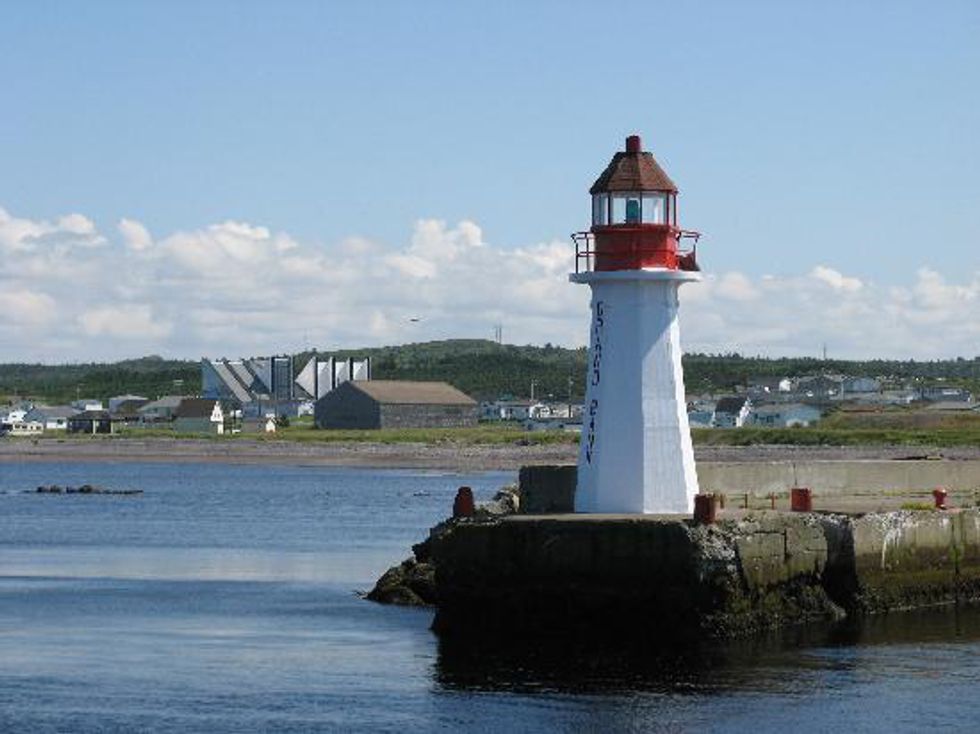
Examples of “commons” in society mostly have to do with environmental settings such as rivers, oceans, forests and animals. Oceans experience the tragedy of the commons most often through overfishing. The oceans are not owned by anyone and therefore aren’t excludable. Therefore, each fishing company, pursuing its own self-interest, tries to take as much fish as it can to try and maximize profit. A prominent example of overfishing is in the Grand Banks of Canada’s Newfoundland. With its nutrient-rich waters, the Grand Banks was a great area for the fishing industry. Innovations in fishing techniques in the 1950s and '60s (such as sonar) allowed for more efficient fishing, which increased the volume of cod being caught. Cod catches began to decline in the 1970s due to this overexploitation, so Canada increased the area in which fisheries could operate. Catches remained steady throughout the '80s, but by the early 1990s, the cod population was devastatingly low, and catches were at their lowest point. The fishery was forced to close down in 1992, leading to heavy job losses.

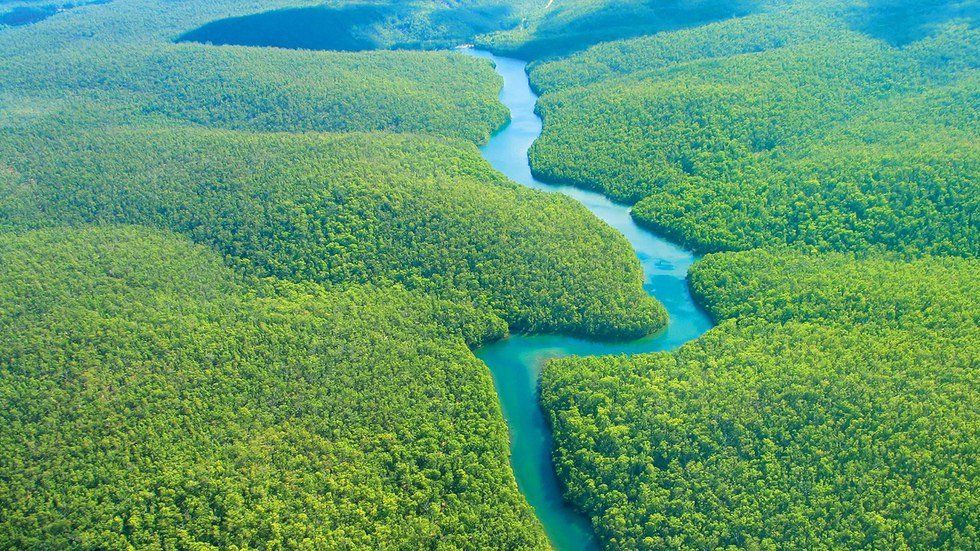
Forests experience the tragedy of the commons through deforestation. A prominent example still happening today is Brazil’s destruction of the Amazon Rainforest. In the 1940s, the Brazilian government initiated national development programs that began the process. Parts of the forest were cleared for the establishment of new infrastructure. The principal culprit of Amazon Rainforest depletion is cattle ranching. In the 1970s, cattle ranching was encouraged by the government in efforts to raise revenue during times of high beef prices. During the '90s, the government gave 100-acre land to over 100,000 families to subsidize the huge beef industry in Brazil, which grew the cattle-ranching industry to new heights. The health of the Brazilian economy was closely tied with the amount of deforestation in the country at this time, so the government had a huge incentive to expand infrastructure and subsidize industries that allowed the government to gain more revenue. The 1990s marked the height of Brazilian deforestation. Since 2005, deforestation in Brazil has decreased dramatically due to the expansion of protected areas operated by organizations such as World Wildlife Fund (WWF) and fewer government subsidies for the beef industry.
Since the tragedy of the commons is connected to the lack of private ownership of large tracts of environmental resources such as oceans and forests, one solution put forth by free market-oriented economists is to allow or expand private ownership of these resources. This can turn the “selfish” economic self-interest that usually means doom for environmental resources into its saving grace. Companies that directly profit off of a resource and own the resource themselves (rather than rent from the state) can assure future profits not by exploiting the resource but making sure the resource stays around. After all, a company in the logging industry would probably be in trouble if there were no trees around.