


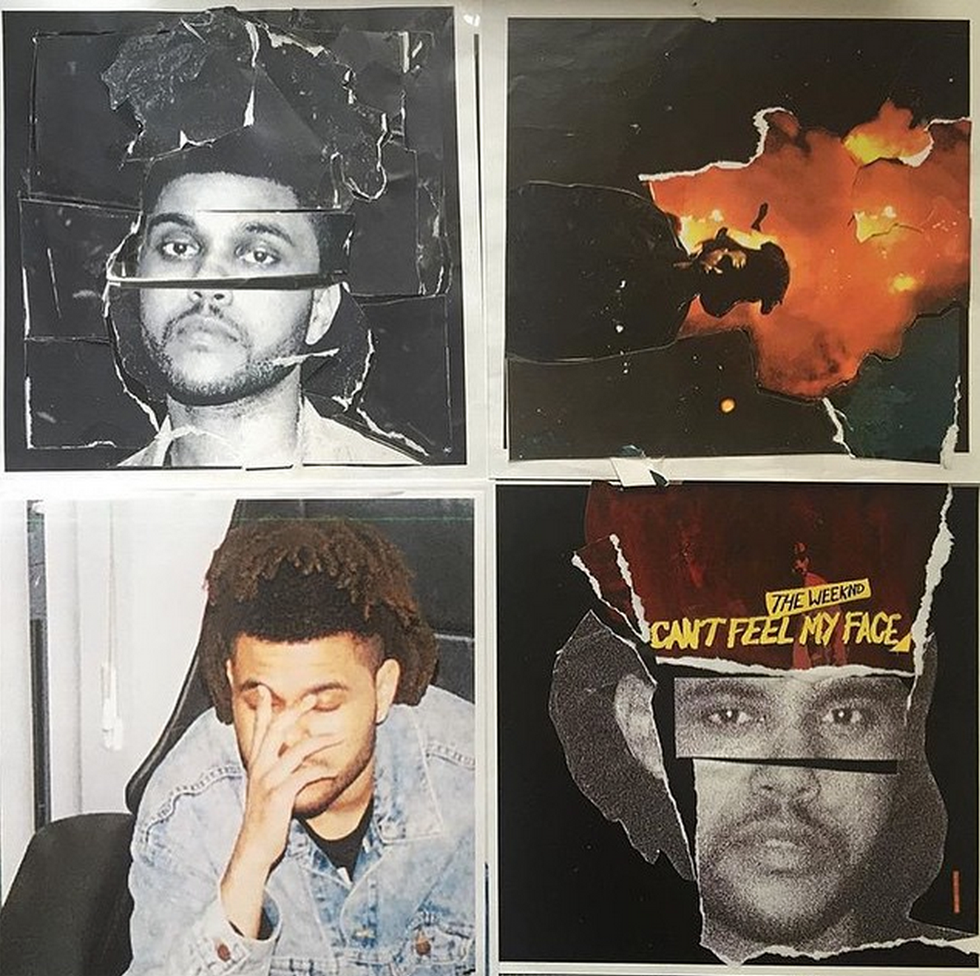
Young, tortured and on the brink of changing the course of pop culture, Abel Tesfaye is an artist we can no longer ignore.
With his release of album "Beauty Behind the Madness" this past Friday, the Weeknd is making one of the biggest waves in music America has seen in a while. After his debut single "Earned it" for the new album, listeners can’t get enough. His smooth, sexual, and seductive diction provokes a taboo genre of music, and nothing is more compelling than the mystery of a troubled artist singing about sex, drugs, and heartbreak.
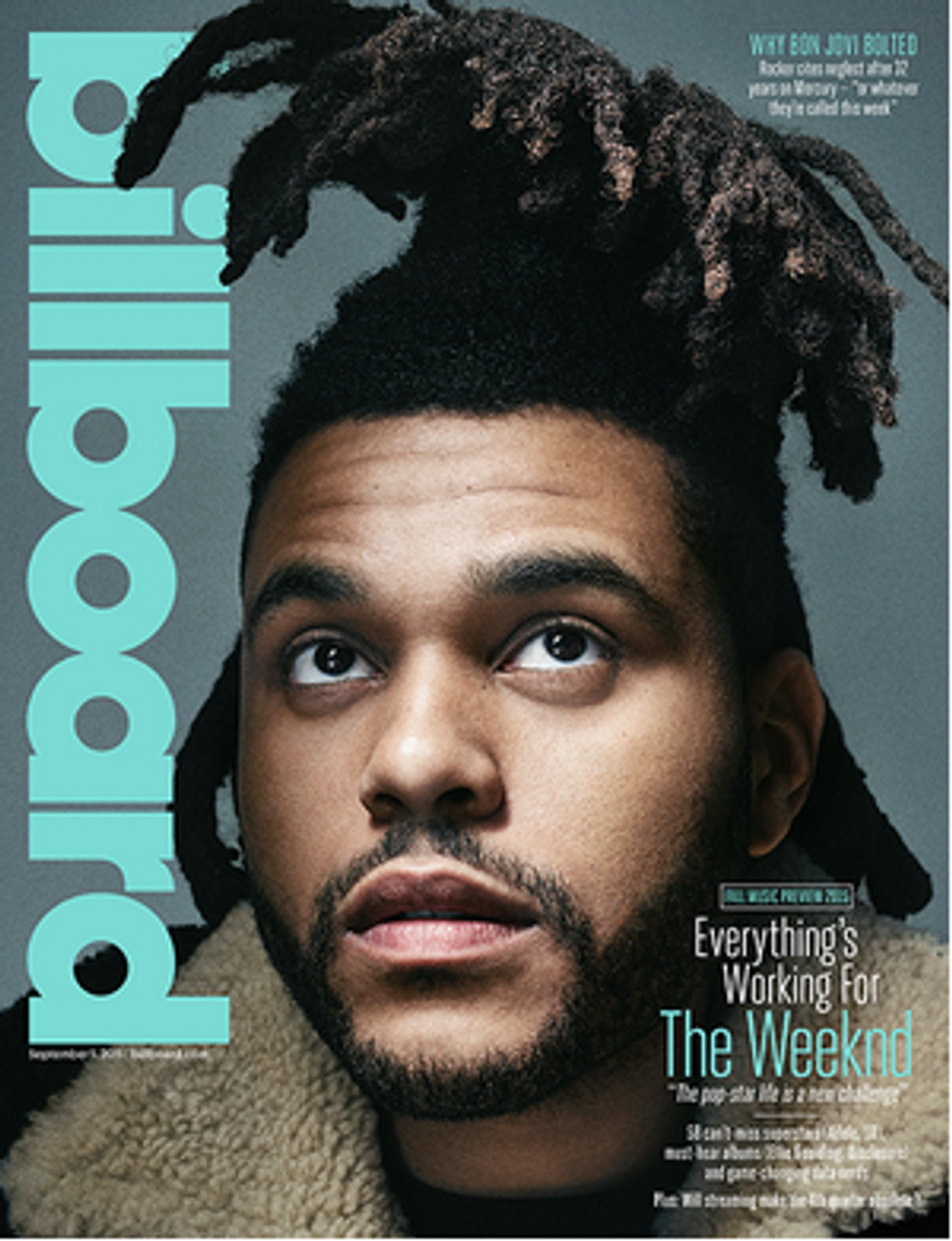
Billboard Magazine
Consistently hitting the charts with ‘Can’t Feel My Face’ at number six, ‘The Hills’ at number 15, and "Earned It" at number 17 on Billboards top 20 summer hits, he is the only artist currently holding three spots and tells Billboard “there is nothing stopping me but myself." Now, with the world having access to 10 more songs of The Weeknd, there is no stopping the turn of pop, as we know it, into “alternative R&B."
Like any great piece of work, there is diversity and culture. Bringing in names like Kanye West in production for single "Tell Your Friends" and features by Ed Sheeran on ‘Dark Times’ and Lana Del Rey on "Prisoner" and "Angel," he appeals to an audience bigger than that of a “pop following." After the release of his new album, he refers to his supporters and listeners as his “cult," changing the minds of many about today’s pop and R&B culture.
"Beauty Behind the Madness" describes this album perfectly as the lyrics cut deep to the soul, yet leave you feeling like you can’t get enough. When first hearing some of Tesfaye’s music, the only thing I could honestly say about it was: “I want more."
In an interview with Time magazine, he explains that he wants to sing about things that are hard to talk about. Leading off with his hit single "Earned it," Tesfaye told Time “it was arousing people’s curiosity.” Continuing this spark of interest, he released "The Hills," a song that creates an unnerving emotion, sending eroticism through any unbalanced, emotional being. Following "The Hills" by his current #2 hit "Cant Feel My Face" the entire population is suddenly going crazy for this mysterious man we first heard in the soundtrack of this summer’s motion picture "Fifty Shades of Grey."
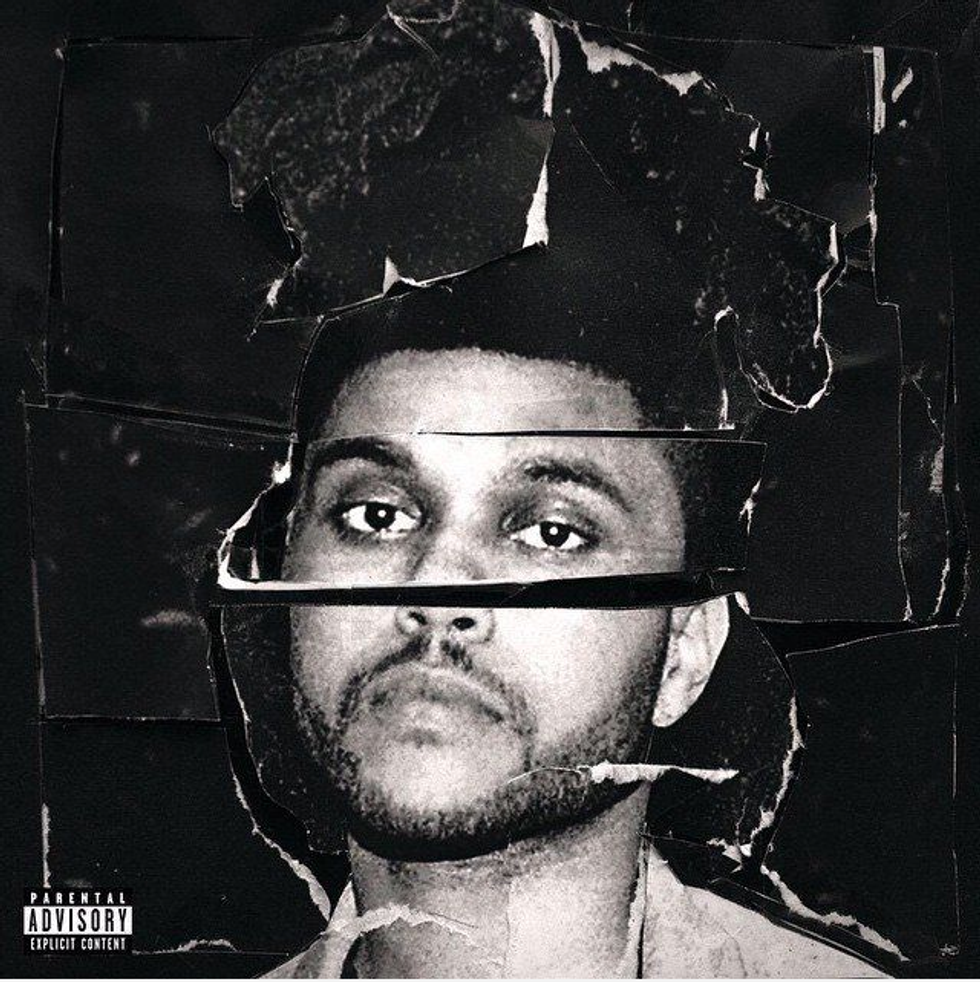
When creating this album, The Weeknd tells Billboard, he wanted to “tell a story.” It was a challenge to get the producers on board, explaining there was much “head-butting” at the start of production, but Tesfaye urged producer Max Martin and ‘Republic Records’ to “step into his world." “I had to make it clear they were jumping into different waters; they were going to be working with a different kind of artist." Their close collaboration and well-thought-out “story-telling” did them well and that can be seen even closer in his music videos.
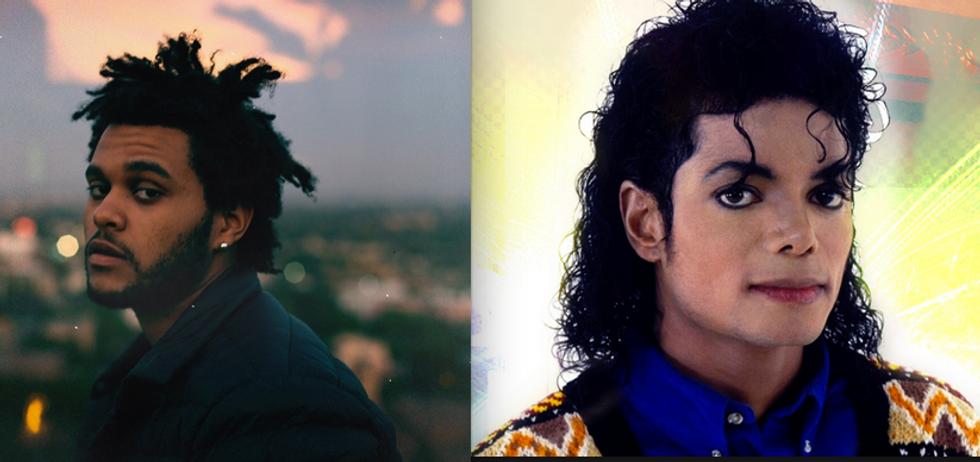
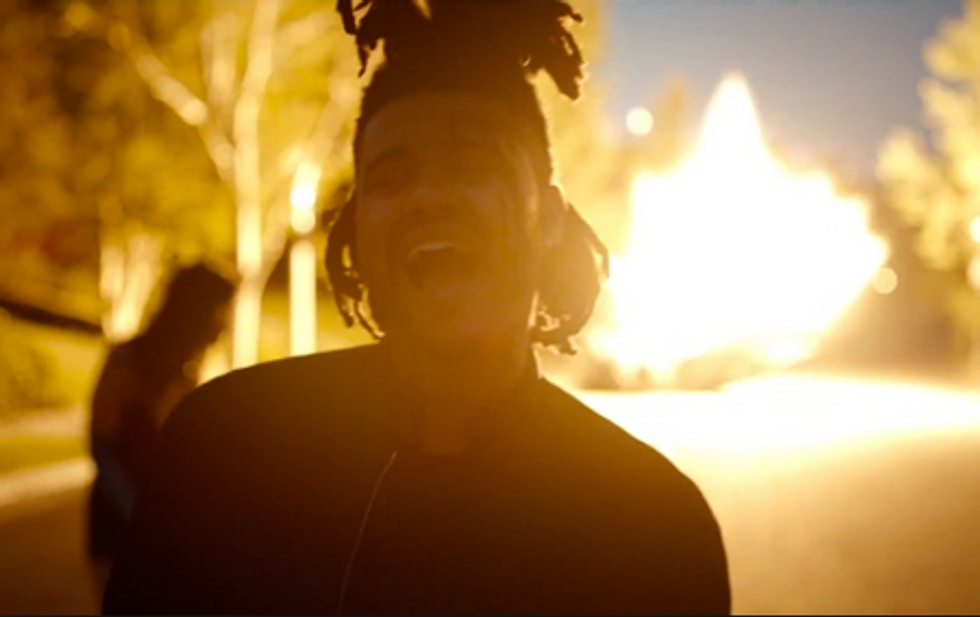
With one of his biggest inspirations being Michael Jackson, there is no question that elaborate videos, and the mystery behind them, re-create an image of such a sought-after artist. Much like MJ, The Weeknd’s videos are filled with dark, eerie images and a type of disconnect from reality (I also found it ironic that "Beauty Behind the Madness" was released the day before Jackson’s birthday, however, that may have just been a coincidence). After spending much time engulfed in his visual and rhythmic stories, I can’t help but wonder if each video on this album is related to the next. They all pose a sense of distracted emotion and have a running theme of dread and despair. From facial expressions, to mono-movement body language and slow motion shots, these videos start to make all wheels turn. The most provoking observation I found, however, is the image of one mysterious, creepy and a little dangerous-looking man. So far, in the five videos currently produced from this album, the mysterious man has appeared in four (keep in mind the one he didn’t appear in was "Earned it"- the single featured in "Fifty Shades of Grey"). In "Often" he poses as a non-faced character delivering room service, in ‘The Hills’ he is seen at the very end in a red-lit room surrounded by women, "Cant Feel My Face" shows him watching The Weeknd perform only to douse him in flames at the end of the video, and in the latest, "Tell Your Friends" he is shot by Tasfaye’s character.
In multiple reviews comparing Tasfaye’s “artistic self” to his “real self,” many reported that he didn’t match this type of disturbed-tortured artist we know as "The Weeknd." The parallelism between The Weeknd, mysterious man, Abel Tasfaye and his pop-star-alter-ego leads me to believe that he is at constant battle with himself: confused, and again, disturbed, only to be slightly controlled by his chart-hitting music and mysterious visuals into a new, dreaded world of dysfunctional art. As a society, as listeners, as a “cult”, we are all engaged in this type of mystery, trying to figure out the mind of an artist and constantly wanting more. The Weeknd is doing nothing but making changes in the music industry, saying with much confidence in his Time interview, “as an artist, I am changing music, music isn’t changing me."

















