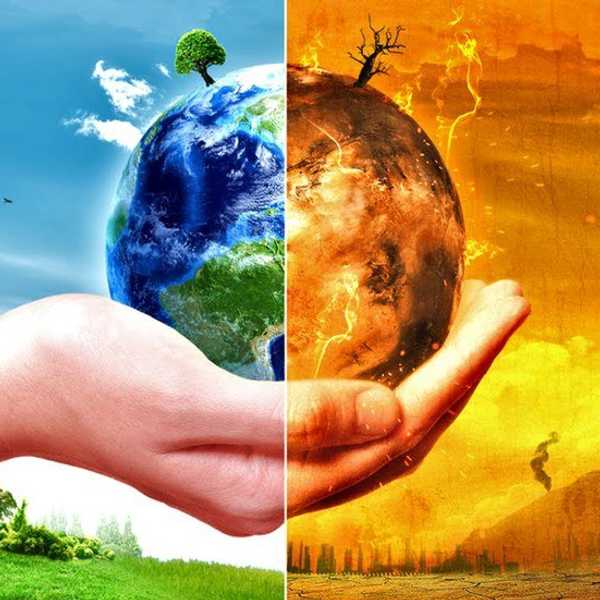
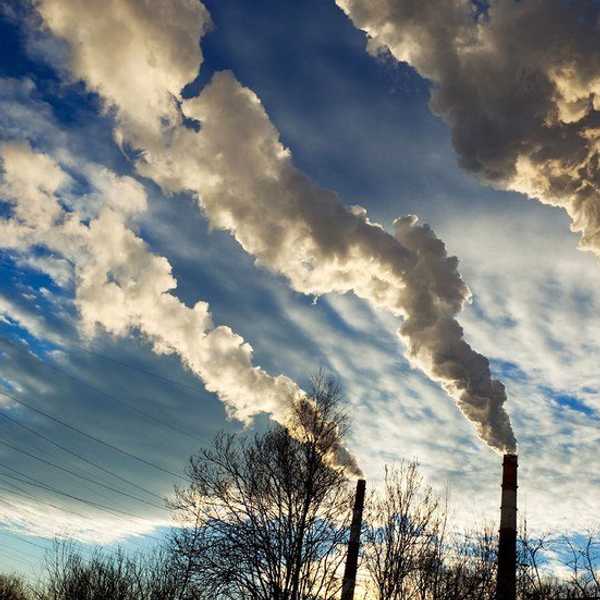
Today, global warming poses a serious threat to the future health and longevity of the human race, the thousands of organisms that inhabit our world and Planet Earth, herself. As we consume fossil fuels and other greenhouse gases at a rapid pace, we release them into the atmosphere, where they absorb the infrared light Earth emits and consequently warm the planet. Just about a month ago on April 22, nearly 200 countries signed the Paris Climate Agreement, agreeing to limit our planet’s rising temperature to less than 2C, and combat global climate change. It also gave hope to a cleaner, healthier future and opened many doors to a more environmentally conscious mentality.
However, a new study by the University of Victoria in Canada shows that if all available fossil fuels are to be burned, our planet’s temperature will rise by approximately 10C or 50F. This possibility is so frightening, because such a change in the climate will ensure that certain areas of the world are uninhabitable. If we don’t honor the Paris Climate Agreement and take care to lower our greenhouse gas emissions, that possibility could be a reality.
On top of that, 2016 is already expected to be the hottest year on record, beating 2015, which beat 2014. Three consecutive years recorded as the hottest yet, because of our consumption of fossil fuels, is not a path the human race should be treading.
The leader of the study, Katarzyna Tokarska remarked, “I think it is really important to know what would happen if we don’t take any action to mitigate climate change,” this being her motivation to take on the study. She then added, “Even though we have the Paris Climate Change Agreement, so far there hasn’t been any action. [This research] is a warning message.”
According to Tokarska and her colleagues, the estimated amount of carbon that will be cast into the atmosphere is about five trillion metric tons, should all fossil fuels be consumed. This number varies among other researchers’ studies, though Tokarska’s is the most recent.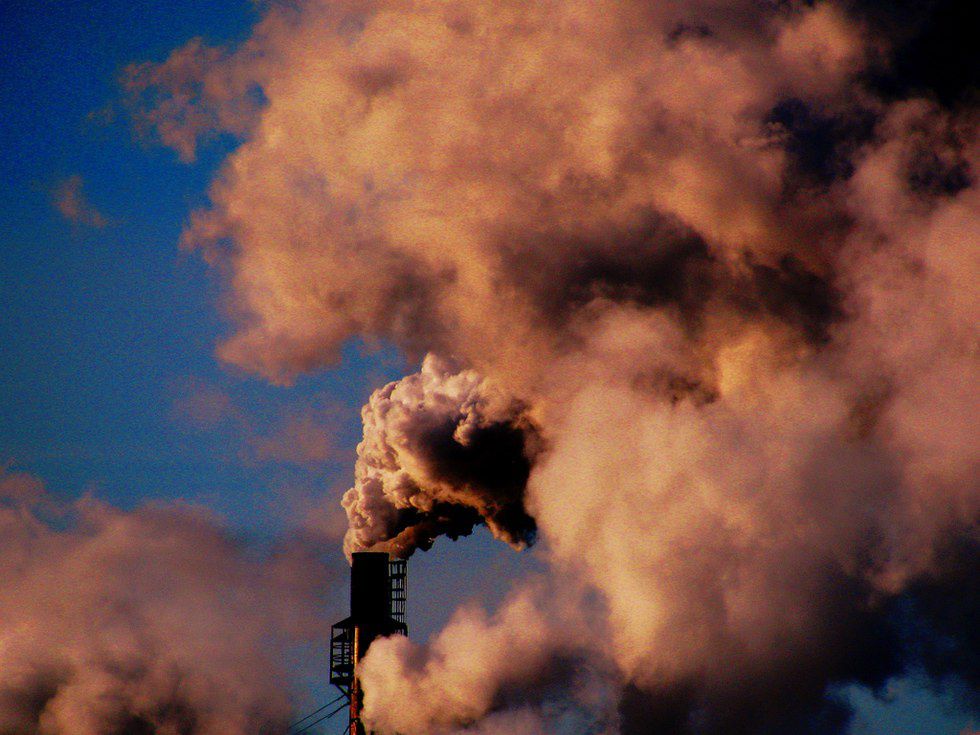
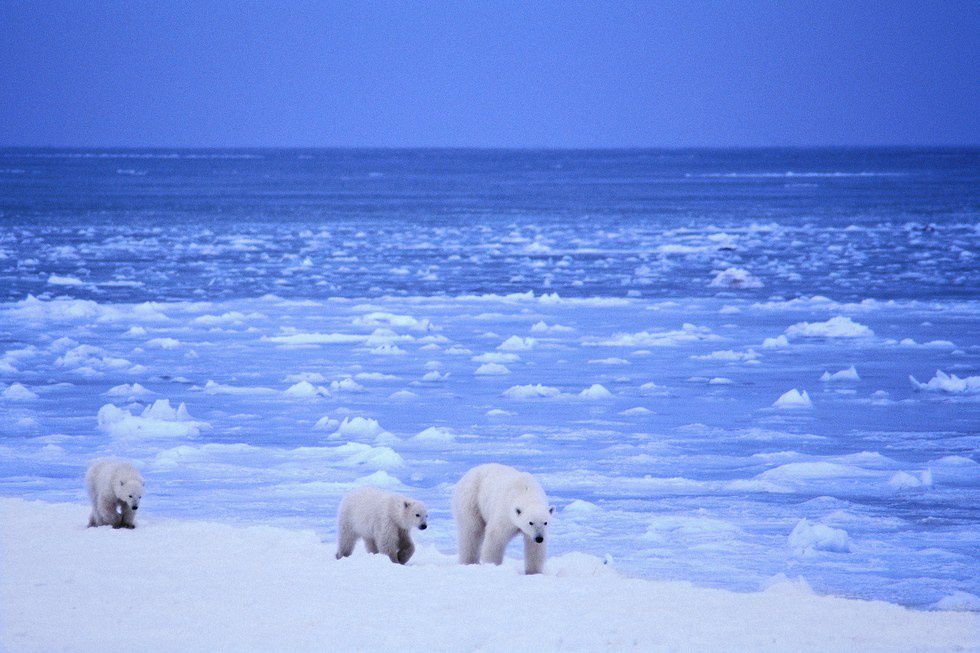
If our consumption of fossil fuels continues as it does today, this number is expected to be reached by the end of the 22nd century. The effects of global warming are already clearly visible in the Arctic, where many creatures have lost their habitats, food sources and ways of life, because of climate change. It’s also seen in how our water cycles around the world are changing -- from droughts and wildfires becoming more common in places such as the Amazon, Australia and the Mediterranean, the tropical Pacific will begin to see a lot more rain, storms and flooding.
The Paris Climate Agreement is a great start to changing our greenhouse gas emissions and fossil fuel consumption. It’s especially important for the United States and China, who are at fault for nearly 40 percent of global emissions together. However, Tokarska’s study begs the question: Are we too late? She’s certainly correct when she claims her study serves as a warning message, but is it too late to make a change?
In the coming years, it’s certain that climate change will show itself more and more. If we don’t put an end to our abuse of fossil fuels and our hurling of tons and tons of greenhouse gases into the atmosphere, we won’t have an Arctic anymore and the beautiful places mentioned above will be uninhabitable. That’s not an opinion -- that’s a fact.
If we continue as we are now, 2017, 2018, 2019, 2020, and so on will be the hottest years on record and we will live to see the 10C temperature rise and incur the damages we’ve wrought upon our planet.