Though the topic of climate change did not surface in the GOP debate with the top ten candidates, its most dangerous consequences are seen in ecosystems and societies worldwide now more than ever before.
In the past few months, California has been suffering from its worst drought in history. London reached a record high of 98 degrees Fahrenheit in July. Smoke from agricultural fires in North Africa is minimizing rainfall. Severe heat waves in Pakistan and India each killed more than 1,000 people. And El Niño conditions are growing stronger in the Pacific Ocean due to Puerto Rico’s extreme water rationing.
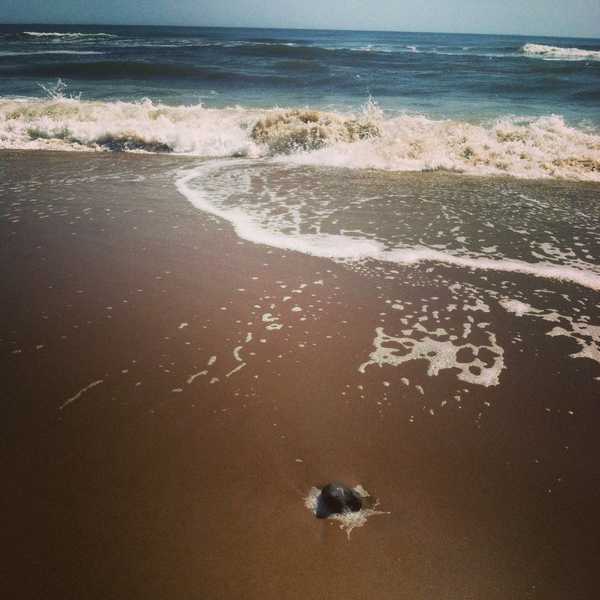
James Hansen, former NASA chief climatologist and current professor at Columbia University, along with 16 coauthors, conducted a study on the effects of moderate warming on sea-level rise. The results turned out worse than previously believed in his publication in the European Geophysical Union’s open-access journal, Atmospheric Chemistry and Physics. According to Hansen and his team, mean sea levels could rise 10 feet by 2065, thereby inundating parts of major cities from New York to Shanghai. The authors left a chilling statement, outlining the social disruption and economic catastrophes of their findings: “It is not difficult to imagine that conflicts arising from forced migrations and economic collapse might make the planet ungovernable, threatening the fabric of civilization."
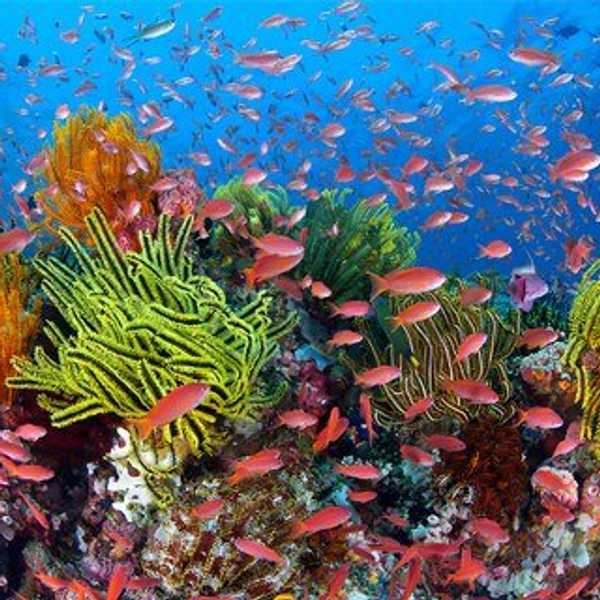
Rising sea levels aren’t even the most disturbing changes to Earth’s biosphere. To better understand, you have to look not at the rising sea levels, but at what is actually happening within the oceans. Water temperatures in the North Pacific have never been this high for this long over such a large region. For one, warmer water increases the range of non-native fish species, permitting them to move to colder areas. This movement decreases native fish species as the non-native fish prey on and out-compete them for food. Attendant with this warmth is a stunning drop in the number of plankton, due to acidification.
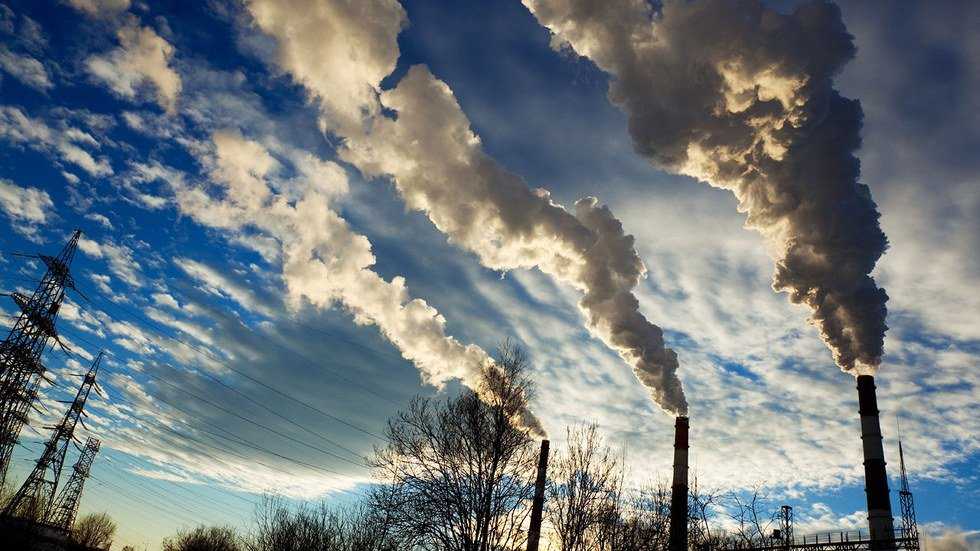
So, thanks to the pressure we're putting on the planet's ecosystem - warming, acidification and the ever-prevalent pollution - oceans are set up for several decades of rapid change. The only way to reduce ocean temperatures and all its disastrous effects is to reign in our emission of greenhouse gases.
And President Barack Obama’s aggressive plan to cut carbon emissions from U.S. power plants is just the place to start. The Environmental Protection Agency requires a 32% cut in power plant carbon dioxide emissions by 2030 from 2005 levels. And while an ambitious target, once other nations see the U.S. is making progress, they will soon follow.
When the president takes the first significant action ever on climate change, there is going to be dispute among the opposition. Republicans fall under two categorized beliefs when it comes to the Clean Power Plan: 1) “There is nothing happening,” or 2) “there is nothing we can do about it.” Many Republican presidential candidates simply do not accept scientific consensus that climate change is due to human activity and others understand that climate change is happening but think American action is meaningless. The special interests and their allies in Congress that claim this plan is costly, will minimize jobs, and will be harmful to low-income communities and minorities, have been mobilizing against Obama since Obamacare was passed.
To begin, while Republicans are happy to send billions of dollars a year to subsidizing oil companies, investments in clean energy will save the average American $85 a month on their energy bills, long-term. Secondly, with a transition to a cleaner energy economy, the solar industry, to name one, will create jobs ten times faster than the rest of the economy. And, lastly, climate change hurts those who are most vulnerable. President Obama recently fought back attacks, announcing, “If you care about low-income minority communities, start protecting the air that they breathe and stop trying to rob them of their healthcare.”
Nonetheless, Obama is ready to beat the naysayers and get the ball rolling, because, “Someday, our children, and our children’s children, will look at us in the eye and they’ll ask us, did we do all that we could when we had the chance to deal with this problem and leave them with a cleaner, safe, more stable world?”