

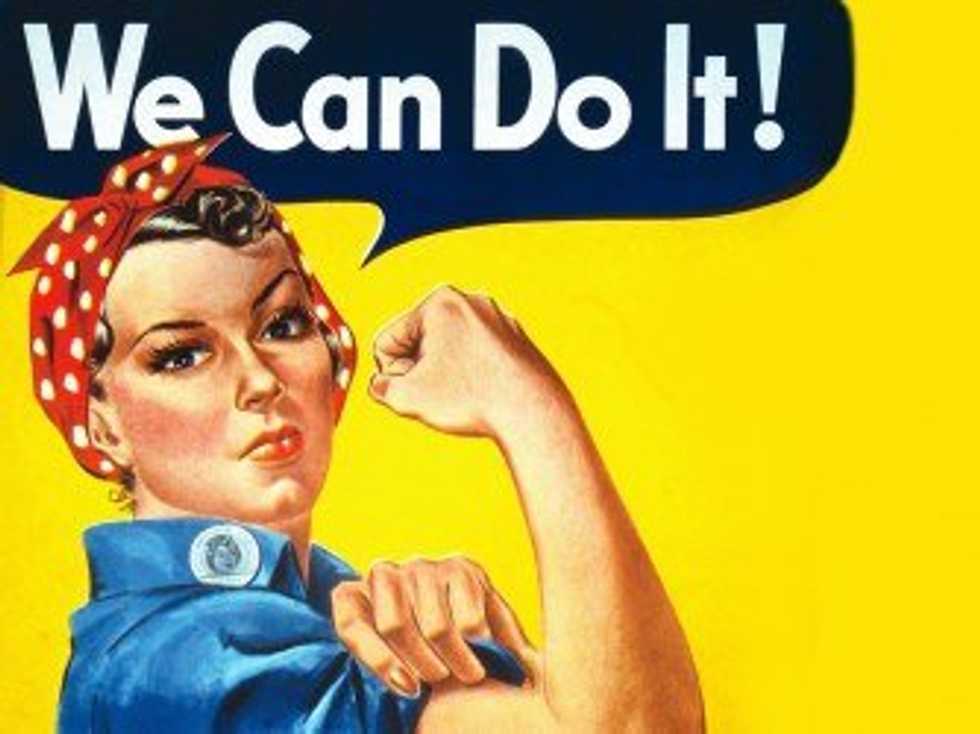
From being nurses in World War II to being secretaries in the 1960s, to being CEOs in 2016, women in the labor force have made enormous strides in the last century. While they made up a small fraction of the United States workforce at the beginning of the 20th century, by the 1970s women accounted for almost half of the increase in labor. Women have definitely heightened their professional representation in the last 100 years. In 1890, 5% of American doctors were women, but that increased to 17% in 1980. The numbers are similar when it comes to practicing law; in 1930, 2% of American lawyers were women, whereas in 1989 women represented 22% of the lawyers in the United States. While women have progressed in the field of employment- even though it still isn’t as equal as it should be- they still have to deal with a significant wage gap.
In the United States, women and men still get paid differently. While the gap has shrunk in the last 50 years, it still exists. In 1970, women earned 59 cents to every dollar that a man made. In 2014, women earned 79% of what men in equal jobs made. In our society, white and Asian American women experience a larger pay gap between their male counterparts than do other ethnicities. Age also plays a role in the wage gap. Women who are between 16 and 34 years old typically get paid about 90% of what men in their profession are paid. After 35 years of age, however, this number drops to 80%-74% of what their male counterparts receive. Education is also not an effective pay gap solution. The gap still has a significant presence at even the highest levels of education.
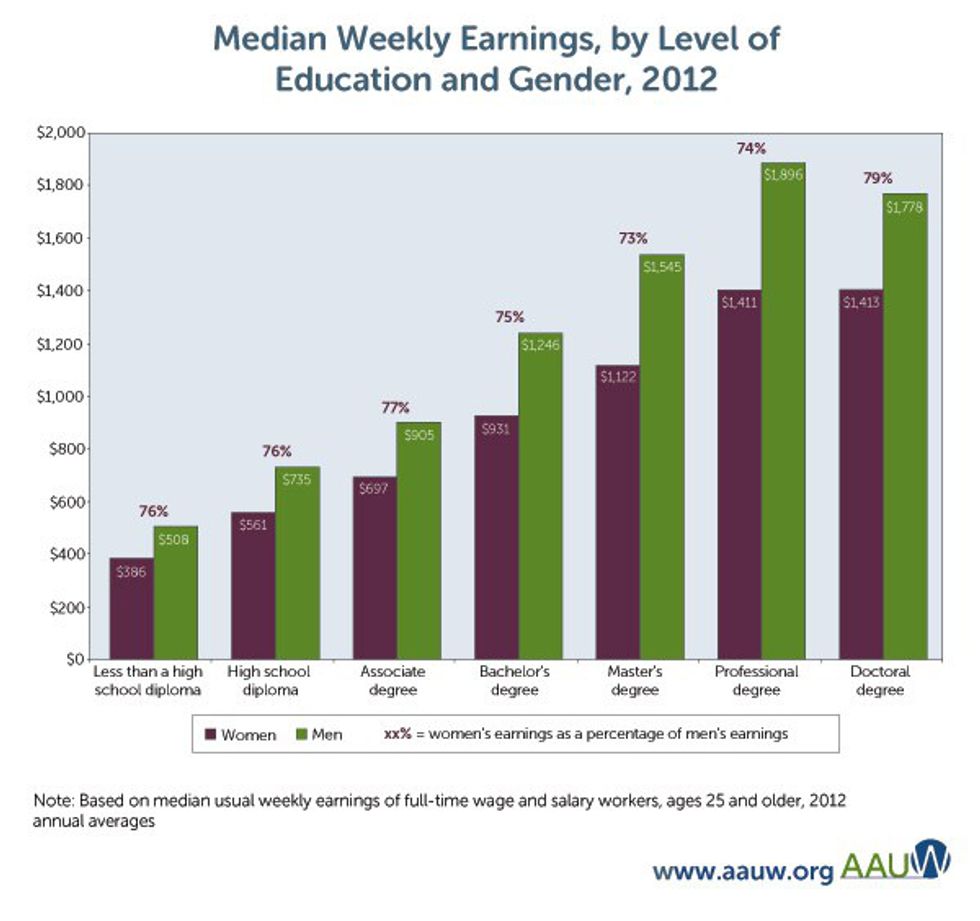 Measures have been taken to make the wage gap disappear. The Equal Pay Act of 1963 does not allow for discrimination based on sex. It states that payment should be given in accordance with a system based on seniority, merit, measurement of quality or quantity, or anything other than the sex of the employee. Though this act lessened the overall wage gap somewhat, the United States still has a very long way to go.
It is ridiculous that in 2016, women still make less than their male counterparts. Typically regarded as the “weaker sex” women were thought not to be able to balance work and family. While this is a sexist view that men typically do not have to deal with, women have proven that this doesn’t have to be the case. Since the 1950s, working mothers have become increasingly common. It is also very common nowadays for women to be working single mothers, proving even further that women are strong enough and competent enough to be able to handle the same workload as their male counterparts.
The wage gap is detrimental to the workings of society. It reinforces the belief that women are less important and less competent than men. It allows young girls to grow up believing that they are not worth as much as their male peers and do not have the same opportunities for financial stability. The longer we as a society allow the wage gap to persist, the more socially acceptable it becomes. 53 years after the Equal Pay Act was passed, women are still earning about 79% of what men earn. Abolishing the wage gap once and for all is long overdue.