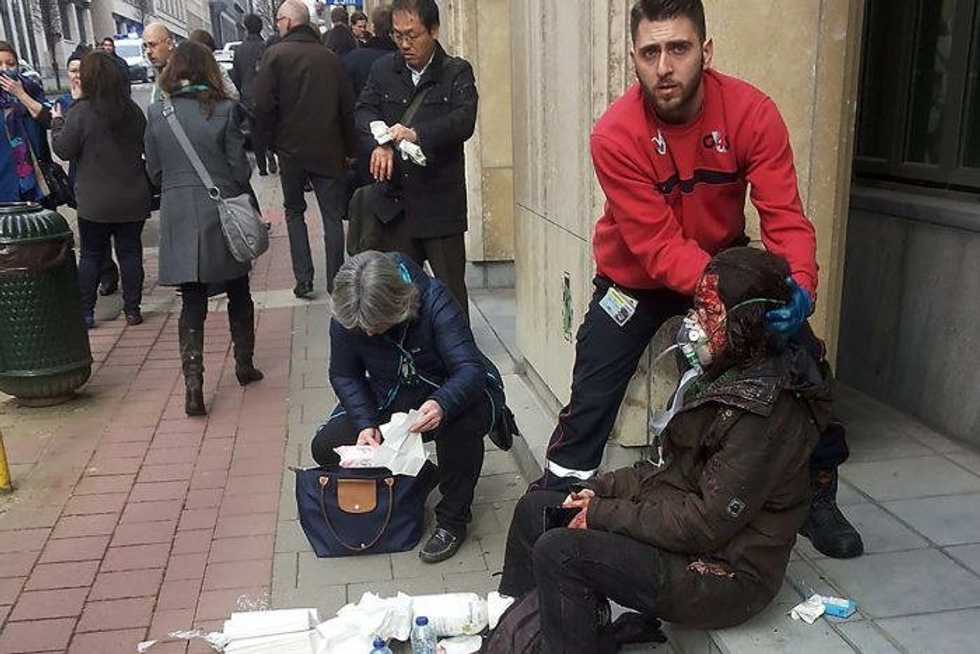
On the very same day of the horrific terrorist attack at the Bataclan Theatre in Paris, the Islamic State group killed 18 people at a funeral in Baghdad and were responsible for the deaths of 43 people in Beirut the day prior. In the same month as the explosion in Brussels, the cities of Ankara and Istanbul in Turkey suffered two separate bombings. Yet we did not deem these attacks worthy of being honored by a hashtag or a filter on our Facebook profile pictures. In fact, these incidents received little to no media coverage at all. This discrepancy between our reaction to death in the West and death elsewhere cannot simply be explained away by writing people off as racists, bigots or xenophobes; the problem is far more nuanced than that. The reason for our collective lack of empathy for non-Western victims of violence is that we know very little about other cultures and do not understand the problems they face.
Although it may seem like innocuous ignorance, this lack of knowledge of other cultures can be highly problematic. If we do not understand who people are, it is incredibly difficult to have any sympathy for them. This explains why people shed tears over the death of a character in a book or movie while also mindlessly scrolling past links to news stories of horrific violence. We know so much about the characters in our favorite stories (where they are from, what they believe, what the world is like around them) that we become emotionally invested in their lives. Thus their pain hurts as much as our pain and their joys are as uplifting as our joys.
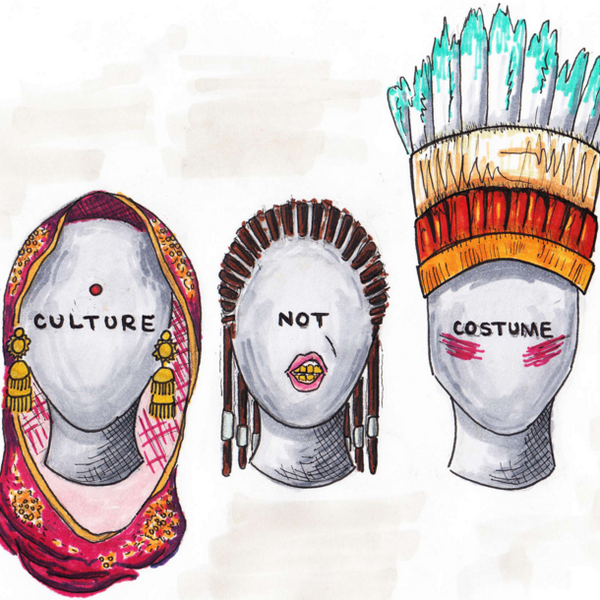
When we are unable to know and understand victims of violence in other parts of the world, we risk viewing other cultures as the "other." Data from the Pew Research Center suggests that people with a knowledge of Islam are less likely to view Islam negatively. However, from what the two leading Republican presidential candidates say on the subject, Muslims should be banned from the United States and discriminated against by police.
These ideas should belong to the farthest fringe of the right-wing, yet they've become terrifyingly mainstream. Some polls even show that a majority of Americans support a ban on Muslims entering the United States. These ideas persist despite the fact that Muslims suffer the most death at the hands of the Islamic State group.
In spite of what comic books and Westerns have led us to believe, there is no pure good versus evil. We must abandon our "us versus them" mentality and learn to analyze complex global situations based on facts, not narratives. Although this issue of our poor emotional proximity to the rest of the world extends far beyond our view of Islam, examining our views toward violence relating to Islam provides insight into the way we view violence elsewhere in the world.
Whenever we see a story of violence from somewhere outside of our next summer vacation spot, we imagine the victims as stereotypes of what we think people from that part of the world are like as opposed to visualizing actual people with thoughts, beliefs and feelings. There are seven billion people in the world, and you better get to know them because as long as you live on Earth, they are going to be your neighbors.