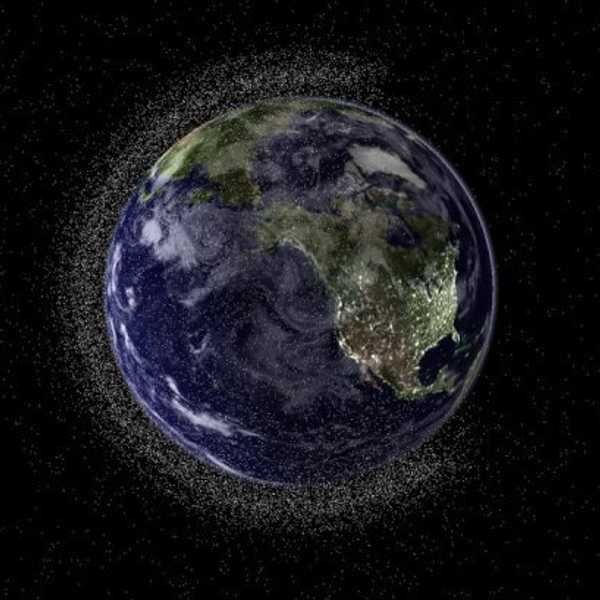
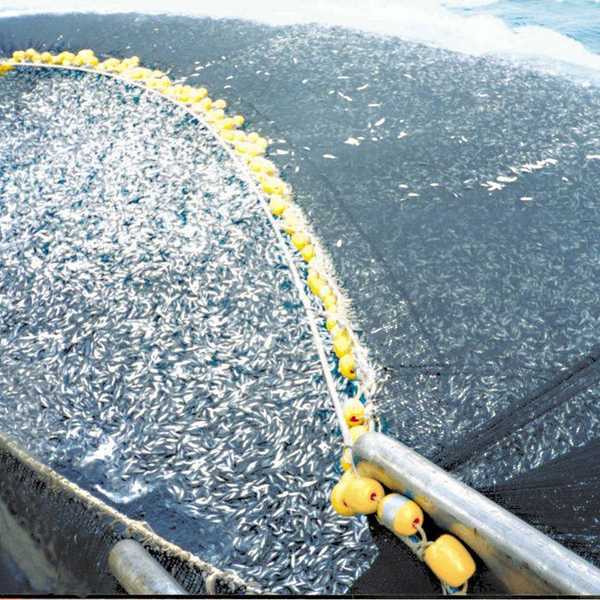
For a very long time, we assumed we wouldn't ever have to slow down progress; now, we know that’s not the case. The earth is trying its best to keep up with our advances in technology and the rapid growth of human population, but we are moving too fast. In 1991, a United Nations study forecasted a world population of 8.5 billion people by 2025; those predictions couldn't be further way from the truth, since according to the World Bank, we reached the 7.0 billion mark by 2011. Growth is exponential, so we might have around 9.04 billion people on earth by 2025. Our growth surpasses Earth’s ability to keep up with us, and even our own expectations.
On one side, there is the widely accepted fact that we have to do something to solve this problem, that we must preserve biodiversity and maintain the balance of the various ecosystems on the planet. While on the other hand, there is the issue that we must accommodate the needs of earth’s growing population. A middle ground seems to be impossible to reach.
However, as the old adagio says, “It is easier said than done." Many promises were made in international conferences about the environment, but most have been forgotten. A good example was the 1992 UN Conference on Environment and Development (the “Earth Summit”), where the Convention on Biological Diversity (CBD) was born. One-hundred and ninety-two countries, plus the EU, are now Parties to that convention. In April 2002, the Parties to the Convention committed to significantly reduce the loss of biodiversity loss by 2010, but it didn't happen.
According to a survey conducted by CNN, there is still a considerable percentage of the American public in disbelief about the most recent scientific studies. The other issues in the way of a more active handling of this environmental problem are our needs for food, shelter and energy—with big emphasis on energy. We are still quite far from finding a better, cleaner and “safer" alternative to oil. And the population is still growing, with more mouths to feed every day, so we are now looking at the prospect of the population reaching 13 billion by about the next century.
And so, while we dominate this planet, we still need to preserve the diversity in wildlife. A healthy biodiversity provides a number of natural services for everyone. Ecosystem services, such as protection of water resources, soils formation and protection, nutrient storage and recycling, and pollution breakdown and absorption, contribute to climate stability and recovery from unpredictable events. Biological resources, such as food, medicinal resources, pharmaceutical drugs, diversity in genes, species and ecosystems and social benefits, such as recreation and tourism, contribute to our natural services, and that's a lot of free service.
Replacing or fixing these resources is often impossible, and if possible, they are too expensive. Instead of having to solve the problem, we should think about it now and preserve biodiversity. Stop thinking of it as "us versus them," and begin to accept and embrace the idea that all species are dependent upon each other, and that it is our responsibility to protect all other species, because by protecting them, we protect ourselves.