
For a long time, civilizations of our kind have inherited the irreversible fate of climate disasters. It is known that throughout the unfolding of time and history, a decrease in rainfall indicates a decrease in culture and salience of civilizations. Consequently, human beings have attempted to master the waves of environmental disasters and implement technological advances that would respond appropriately. However, we can still note the damages that inevitably follow, such as water restrictions and shortages, the disintegration of farmlands due to the high volumes of salinization (which occurs from misdirected management practices of the lands, the ongoing transnational abuse of the Amazon Forrest), and even the anticipated extinction of sea life such as the Tuna Fish. Take, for example, the most recent ecological disaster of California's drought that resulted in mandatory water cuts and reduction in use. Yet transnational companies like Nestle disregard this crisis and still extract water for bottling. Why? A simple, yet discouraging response, is that people are still purchasing bottled water. The human need must be met as it is inherent in our nature of being First World citizens and our normative luxurious standard of living. This is the driving force of the environment's collapse our consumer-based society.
The concept of innovation, progress, and technological advancement has inextricably been threaded into our modern dogma. We cannot go back. We wish to push the limits of the human mind further and further, until we live in a world that resembles a god's: an effortless way of transportation, information processing, or of using our smartphones. We may ascertain these goals, but at what cost? Two major consequences are ensuing and they do not look good.
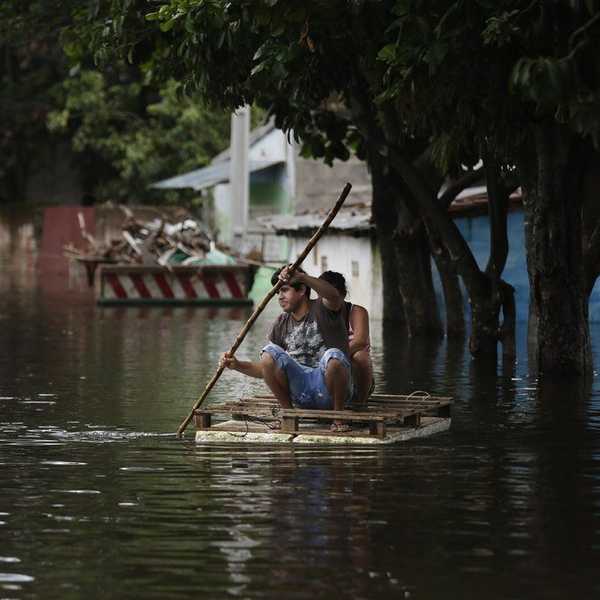
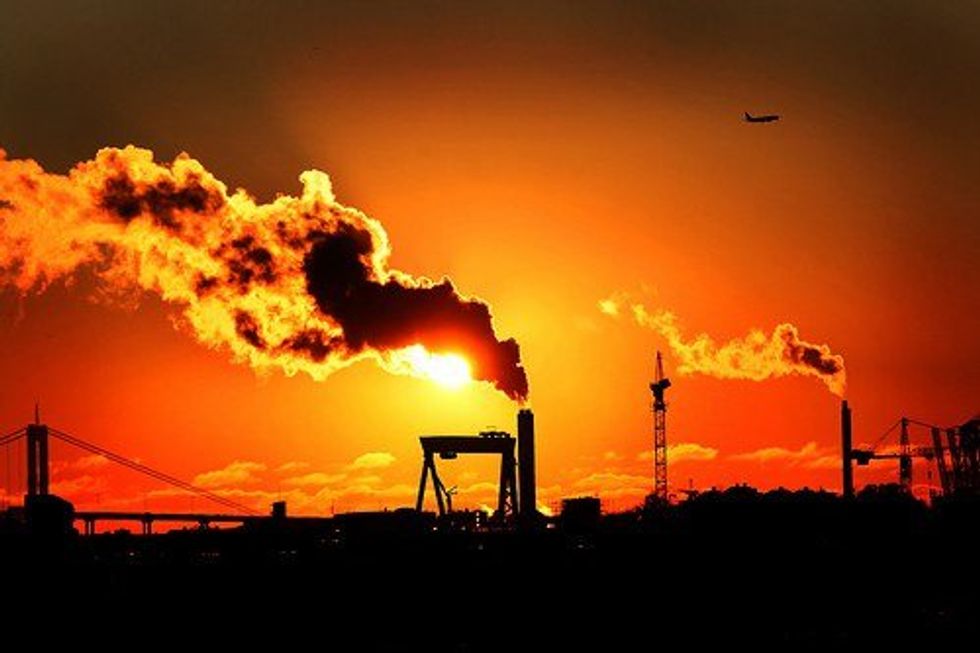
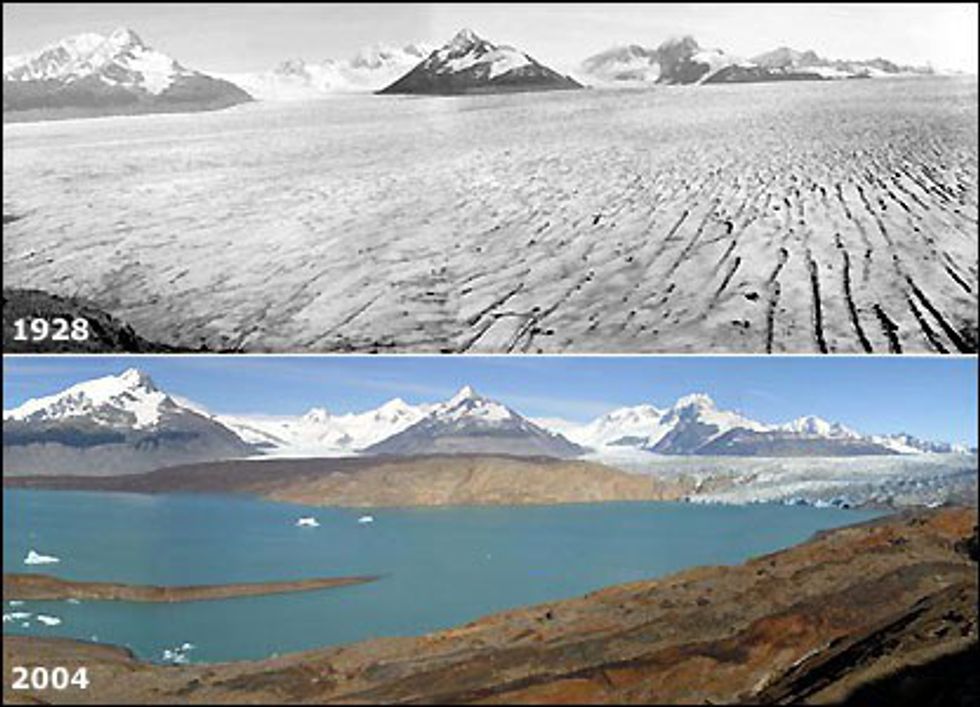
First, we look up north near the Antarctic and see the increasing collapse of ice in Greenland due to rising temperatures annually. Some groups of people might say it is just the force of nature which is outside of the human capability to affect. False. The rising of heat is due to the thinning of our planet's ozone layer due to an inundating amount of CO2 emissions from our cars, our cities, our factories, and so forth. Our industrialization, which we may glance at and say "We are at the zenith of human civilization", is but the opposite. What else is affected by warmer weather? The susceptibility of weather to get much for aggressive and violent. Take, for example, our most recent case: Hurricane Joaquin. A hurricane or a tropical storm's source of energy is the evaporated water from an ocean, which is affected by heat. Thus, with a warmer climate, the intensity of hurricanes is gradually increasing and, as such, so are the chances for flooding, the harming of crops, and the damaging of innocent communities. My problem with this is more "who" than "why", because most tropical storms or environmental disasters take place in regions of the world that are not culpable for the damages to our climate.
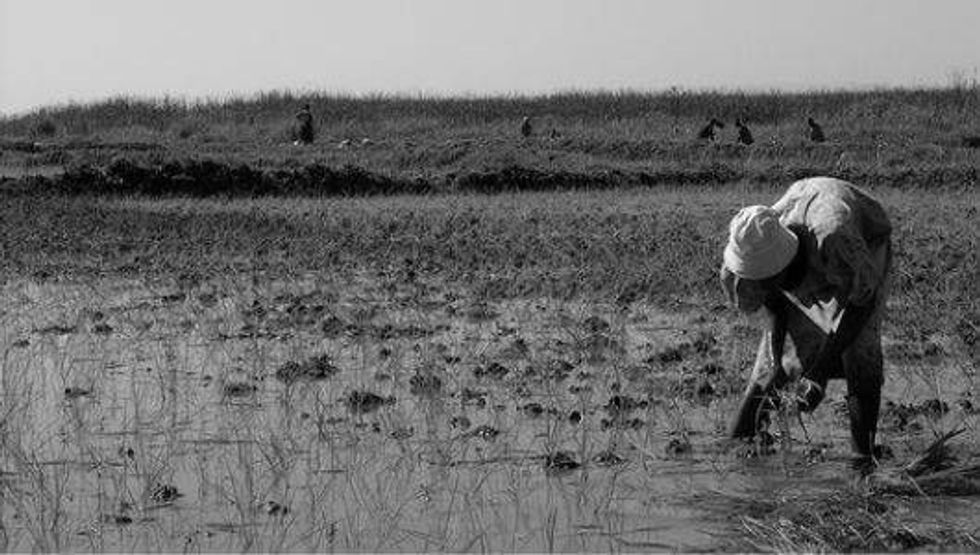
 The second consequence of our effect on this Blue Planet is the international stratification in societies that occurs. For example, the modern concept of a free market economy is inextricably involved in almost every country, Third World or First, by treaties and negotiations that have short-term advantages. In El Salvador, a multinational mining company OceanGold has engendered contamination of water banks and other natural resources at the cost of the health of millions of El Salvadorians. This increases conflict and discourse within the nation-states. You see, people of the low socioeconomic class always inherit the damages and costs of capitalism's "innovation". In 2008, the number of Kenyan farmers who committed suicide due to low rainfall due to higher climates reached 2,000. The suicides occurred due to farmers taking out loans using their land as collateral, and when the season precluded a successful harvest, farmers were not able to sell crops and thus defaulted on their loans. Lost in fear and in hopelessness, many farmers committed suicide because they could not feed their families and meet fundamentally necessary needs. The cost, the consequence, of our industrialization in the first world is devastating communities who are innocent and quite frankly, more deserving.
From a bio-centric perspective, we are just hogging all of the land by excluding the natural rights of other species and inhabitants as we destroy and deplete their historically sacred environment. Some argue that we constructed the decency of nature, that goodness is a construct of our species. However, to claim that goodness is contingent on our existence is not cogent, because our function so far is very contradictory. What can we do? What direction are we headed? Why aren't we stopping? The problem lies in the effort it takes to revert our condition, by dispossessing ourselves from the material realm and luxurious state that is prevalent in societies that don't suffer environmental catastrophes. Can we do it? Would we do it?
















