
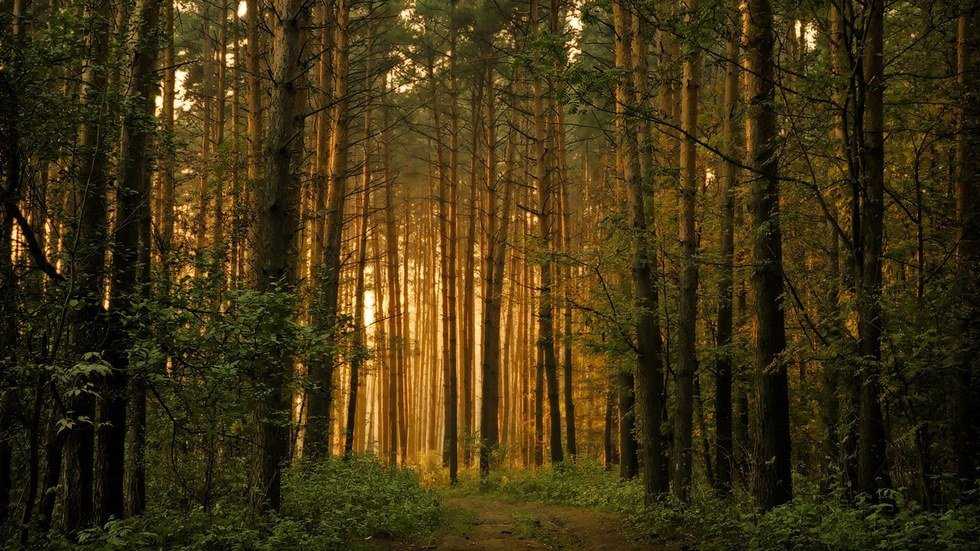
Last week, I read an article on words and phrases that exist in Japanese but do not have an exact English equivalent. One such word is “komorebi” (木漏れ日), which is a word that describes the filtering of light through the leaves of trees (quite a mouthful, right?). This fantastic article got me thinking: why do the cultures of some countries, such as Japan, have such a profound respect for nature and the environment (a respect strong enough to warrant the use of one word to describe such a beautiful phenomenon) while others do not?
It’s no secret that Japan’s entire culture, their traditions, and their general ideologies take nature into account in a variety of ways. This respect dates back many centuries, all the way back to the ancient Japanese people. In fact, originally the Japanese did not have a word that corresponded with the English word “nature.” This was because people, their way of life, and nature were intrinsically connected and this unification did not warrant a separate word or phrase. Additionally, as Japan was (and remains to this day) a bountiful country characterized by the mountains, forests, and ocean, the ancient people were awed by it and worked to live in harmony with it.
This view drastically contrasts with the Judeo-Christian view of nature: as all religions stemming from the Judeo-Christian tradition began in the Middle East, which is characterized by deserts and severe climate, nature was seen as harsh and was therefore separated from humans and their way of life.
Flash forward a few hundred years to the founding of the United States, one of the most beautiful natural environments in the world (or so I believe). In the 1400's, man’s main goal was to overcome nature in order to explore new heights and discover new lands. New technologies were developed to do so and as more and more people settled in the country, their technology and viewpoints settled in as well. Additionally, the United States being founded on Christian values, the view that nature was harsh and meant to be overcome and separated from humanity was instilled in its people’s beliefs from the very beginning.
To this day, many people in the United States do not respect nature and the environment around them. That is made obvious by our shocking levels of consumption: despite having about 5 percent of the world’s population, citizens in the United States consume about 20 percent of the world’s energy and resources. To put it another way, we use and consume a lot more than we need to! In fact, if everyone in the world lived as Americans do, we would need 5 Earths to support humanity. In contrast, if everyone lived like the Japanese, we would need, on average, 2.6 Earths.
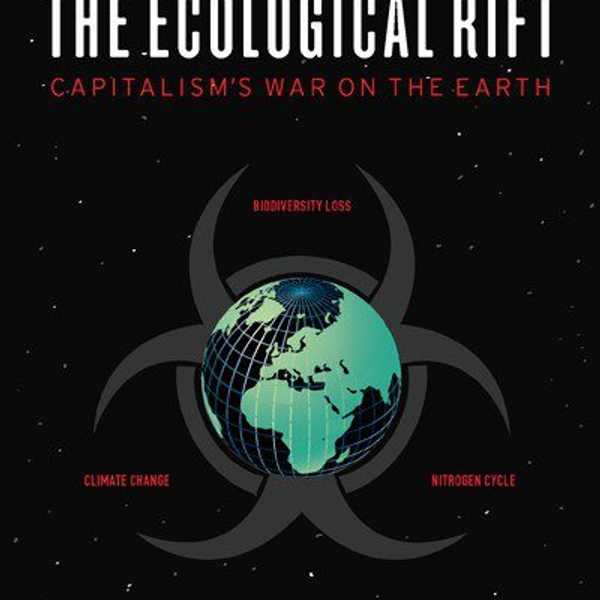
While we are still exceeding what we have available to us resource-wise, maybe it is time to change our mindsets as a human family. After all, abuse of the environment cascades into a million other different problems. Expensive house? Blame that on the declining access to the resources needed to build it due to deforestation and a capitalist society. Poverty? That’s a result of rising prices due to lack of resources available and an increasing human population with a high demand to satisfy their needs. Starvation? Once again, increasing human population plus a high demand to meet daily needs leads to lack of access to food and clean water.
While these aren’t the only problems and the only explanations, they are a brief overview of where humanity is heading. It’s about time we stop thinking of the environment as a harsh and unforgiving place. Mother Nature could provide for all our needs as long as everyone learned to respect and live in harmony with the environment like the ancient Japanese did so long ago.