When designing curriculum, English teachers like to pick out works of literature that have similar themes (i.e. coming of age, romantic love and gender, social class, politics, etc.) Please note that I have not read all of the books on this list. In fact, most of these examples I have found are from my research on Amazon.
1. Travel and Adventure Fiction:
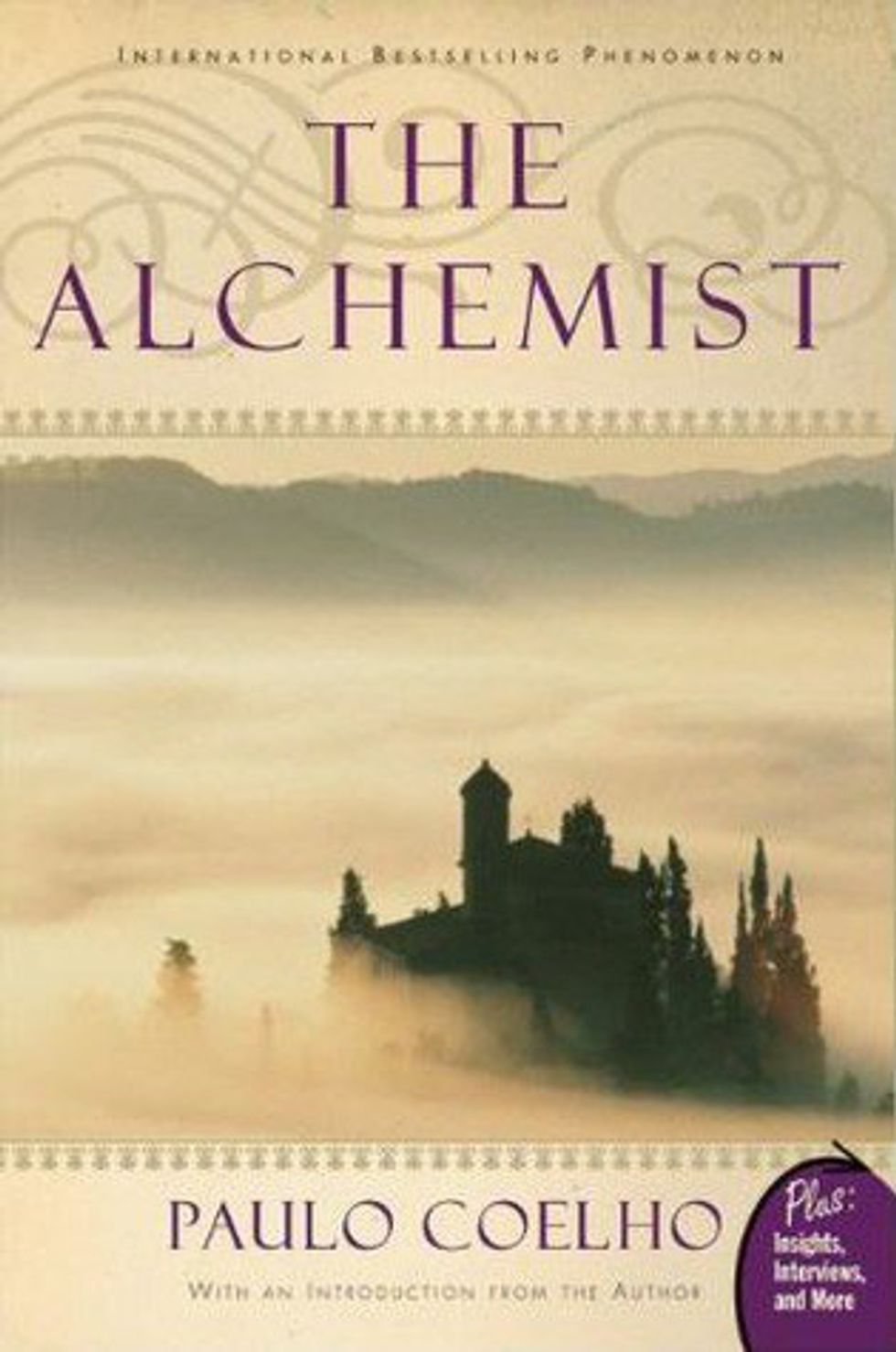
In terms of older classics, teachers could possibly use epic poems such as "The Epic of Gilgamesh," "The Train," or "The Song of Roland." In terms of more contemporary works, a few of John Steinbeck’s novels deal with American travel like "Of Mice and Men," "Travels with Charley in Search of America" and "The Wayward Bus." If these books are used, teachers could discuss Steinbeck’s images and descriptions of America with their students. Many English teachers like to teach coming-of-age books to engage their students, and several coming-of-age books involve travel and adventure, including "Huckleberry Finn" by Mark Twain, "On the Road" by Jack Kerouac, "Chike and the River" by Chinua Achebe, "The Little Prince" by Antoine de Saint Exupery and "The Alchemist" by Paulo Coehlo. "Chike and the River" (Nigeria), "The Little Prince" (France) and "The Alchemist" (Brazil) would be useful for teachers who want to teach literary works from different countries. Being that many high schools and colleges want their students to have global awareness, they are teaching world literature. Teaching world literature with a travel theme could help students gain geographical knowledge.
2. Travel and Adventure Drama:
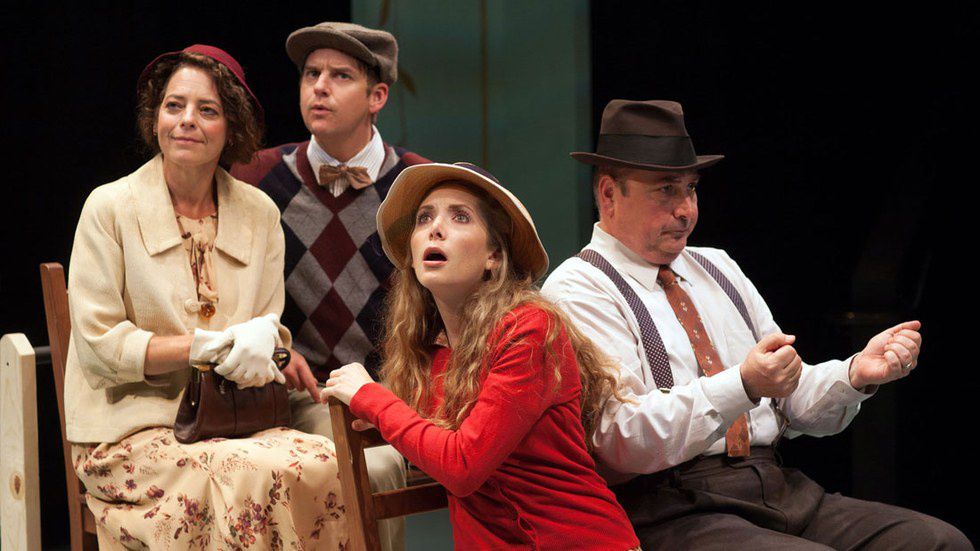
Crafting a stage play about travel is a lot different than writing a novel or personal memoir about travel. When teaching plays about travel, teachers could discuss the stage directions of a travel, or how the play could be set up on stage. In terms of plays to use, a number of Shakespeare’s plays involve moving from place to place including "Two Gentlemen of Verona" and "The Winter’s Tale." Additionally, Thornton Wilder’s one-act comedy "The Happy Journey to Trenton and Camden" could work as well. If teachers want to use plays from other countries, they could use "Peer Gynt" by Norwegian playwright Henrik Ibsen, or one of the plays by Irish playwright John Millington Synge.
3. Spirituality and Literature:
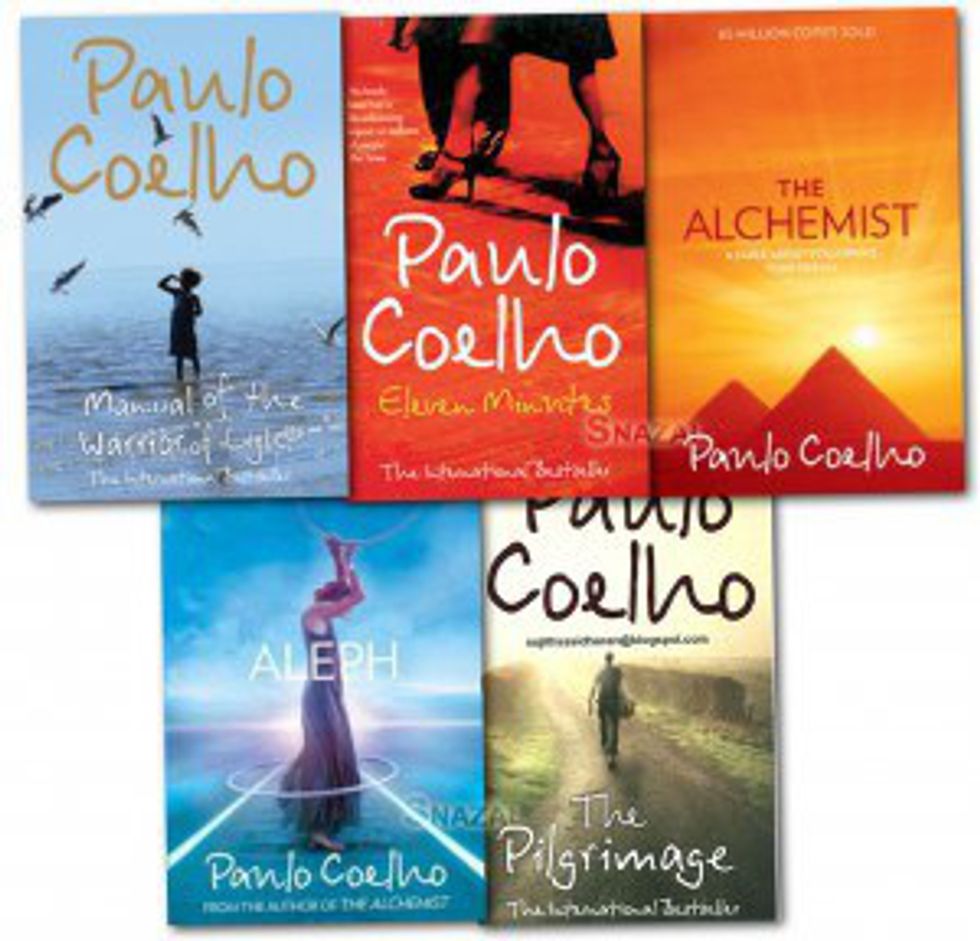
Teachers could use fiction based on or inspired by Biblical stories. Greek author Nikos Kazantzakis is known for his novel "The Last Temptation of Christ," which depicts Jesus through a first-person narrative. Kazantzakis is also known for his other religious fiction, including "Christ Recrucified," "God’s Pauper" and "Freedom and Death." Another European author known for spiritual and religious fiction is Portuguese fiction writer Jose Saramago. Some of his novels include "The Gospel According to Christ and Cain." If an instructor uses both "The Last Temptation of Christ" and "The Gospel According to Christ," he or she could assign his or her students to compare and contrast these depictions of Jesus. Also, teachers could one one of the medieval miracle and morality plays such as "Everyman" and "The Second Shepherd’s Play." Another focus for a spiritual theme could be spiritual journeys. Two popular English spiritual journey novels are "Neverwhere" by Neil Gaiman and "The Pilgrim’s Progress" by John Bunyan. In terms of world literature, many of Paulo Coelho's novels deal with spiritual journeys, including "The Alchemist," "The Pilgrimage" and "Aleph." In addition, Lebanese poet Khalil Gibran has a collection of poetic fables called "The Prophet."
4. Religious Satire:
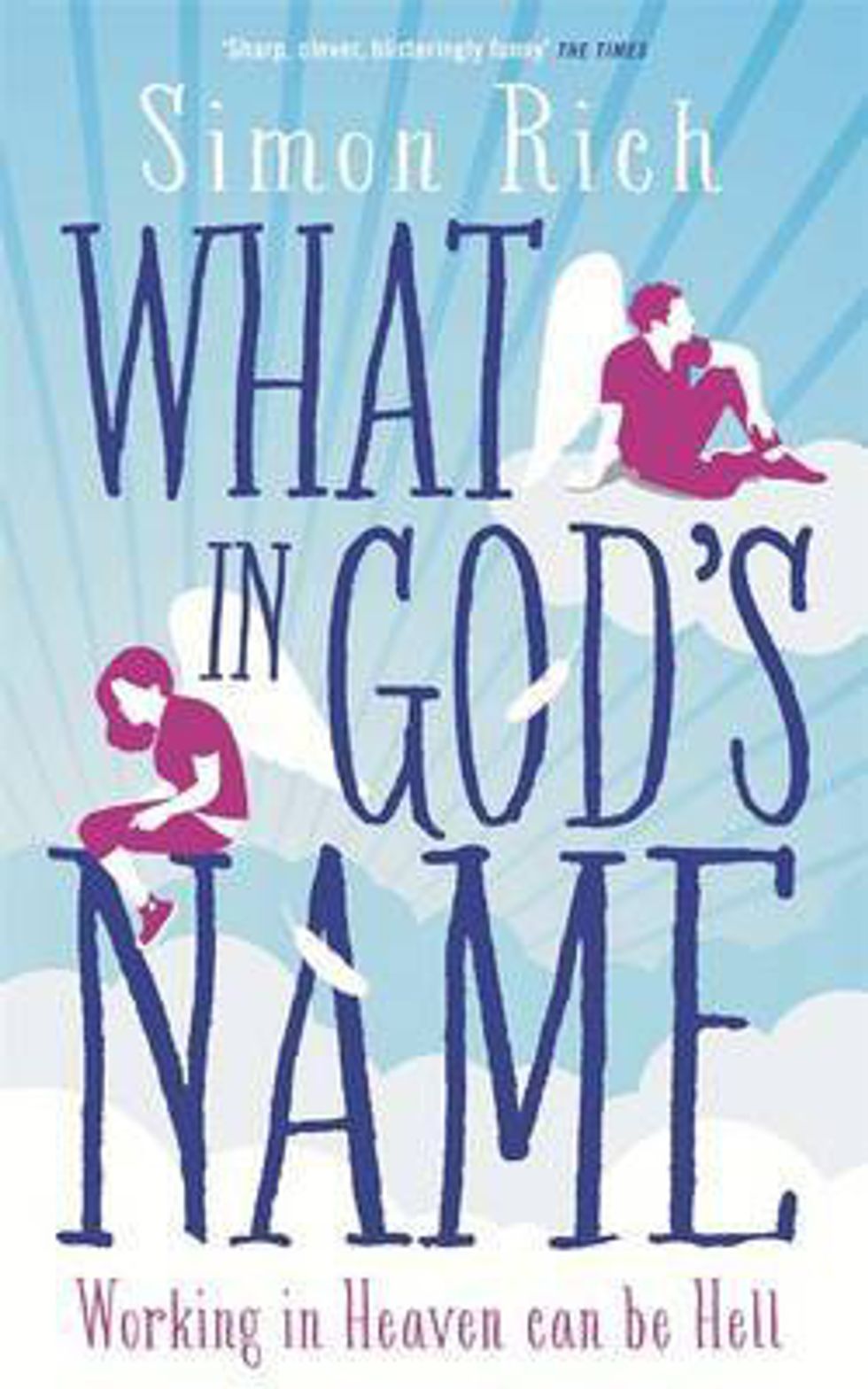
Many religious-themed books tend to be satirical. Recently, I read “Waiting,” a one act play in Ethan Coen’s short play anthology "Almost an Evening." The premise of this play is a man is in a room waiting to go to Heaven. When I finished reading it, I said that this should be taught in a satirical literature class. When I was on spring break 2016, I read a hilarious novel by Simon Rich called "What in God’s Name?" In the novel, Heaven is a company and God is the CEO. In terms of older literature, instructors could teach one of the mock-heroic satires from the 18th century such as "Gulliver’s Travels," "Candide," or "The Rape of the Lock." Additionally, the comedic plays of Aristophanes could be taken into consideration.
5. Humanistic Psychology and World Literature:
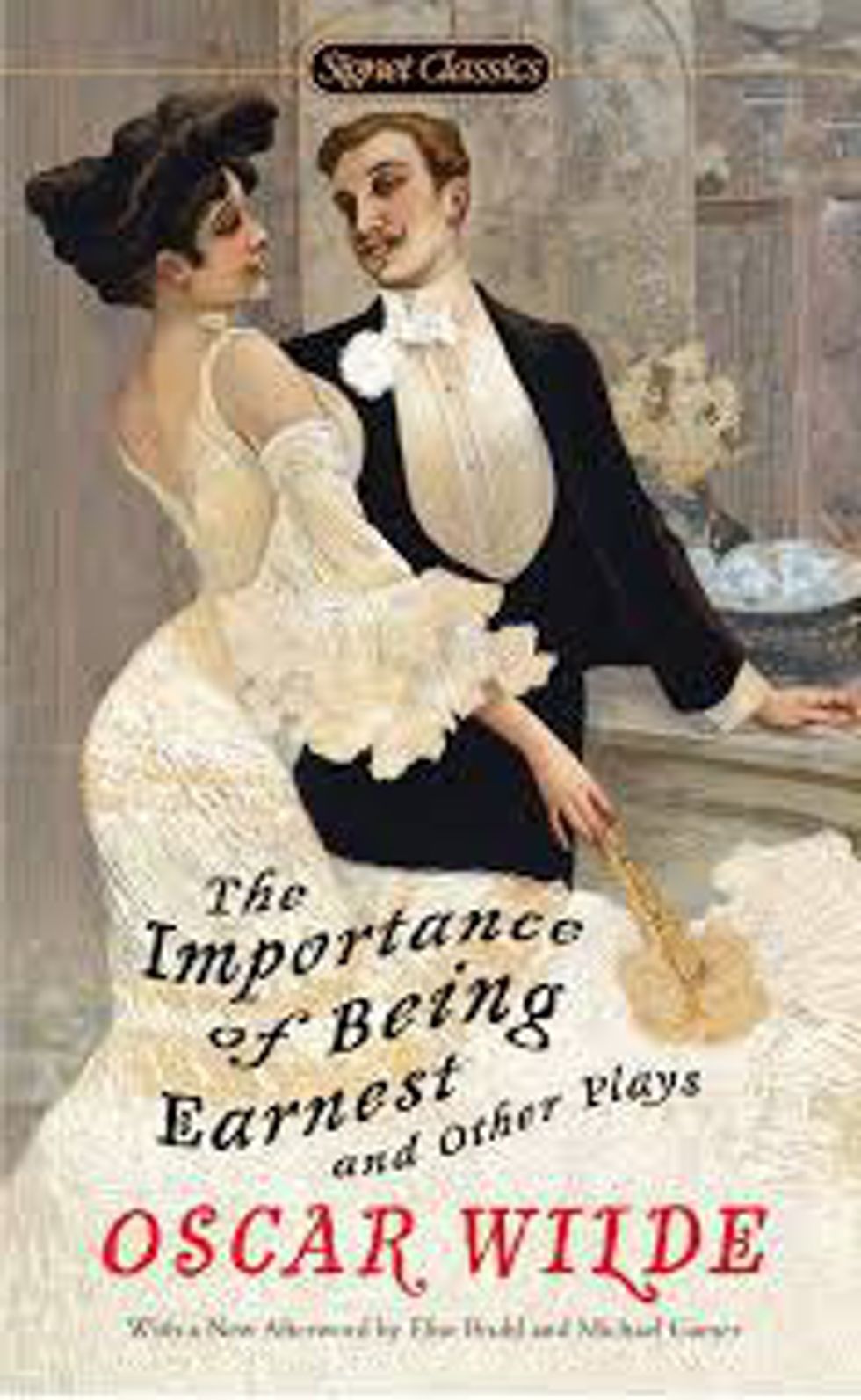
It would be interesting to see teachers use a positive psychological approach to reading literature where there are little to no bad guys, or where the “bad guy” turns good. Instructors could also consider teaching books that begin with war and end in peace and/or reconciliation. Sample reading list: "The Importance of Being Earnest" by Oscar Wilde (England), "Lysistrata" by Aristophanes (Greece), "Peer Gynt" by Henrik Ibsen (Norway), "A Separate Peace" by John Knowles (United States), "As You Like It" by William Shakespeare (England) and "Pippi Longstocking" by Astrid Lindgren (Sweden).
6. Immigration and Assimilation in Literature:
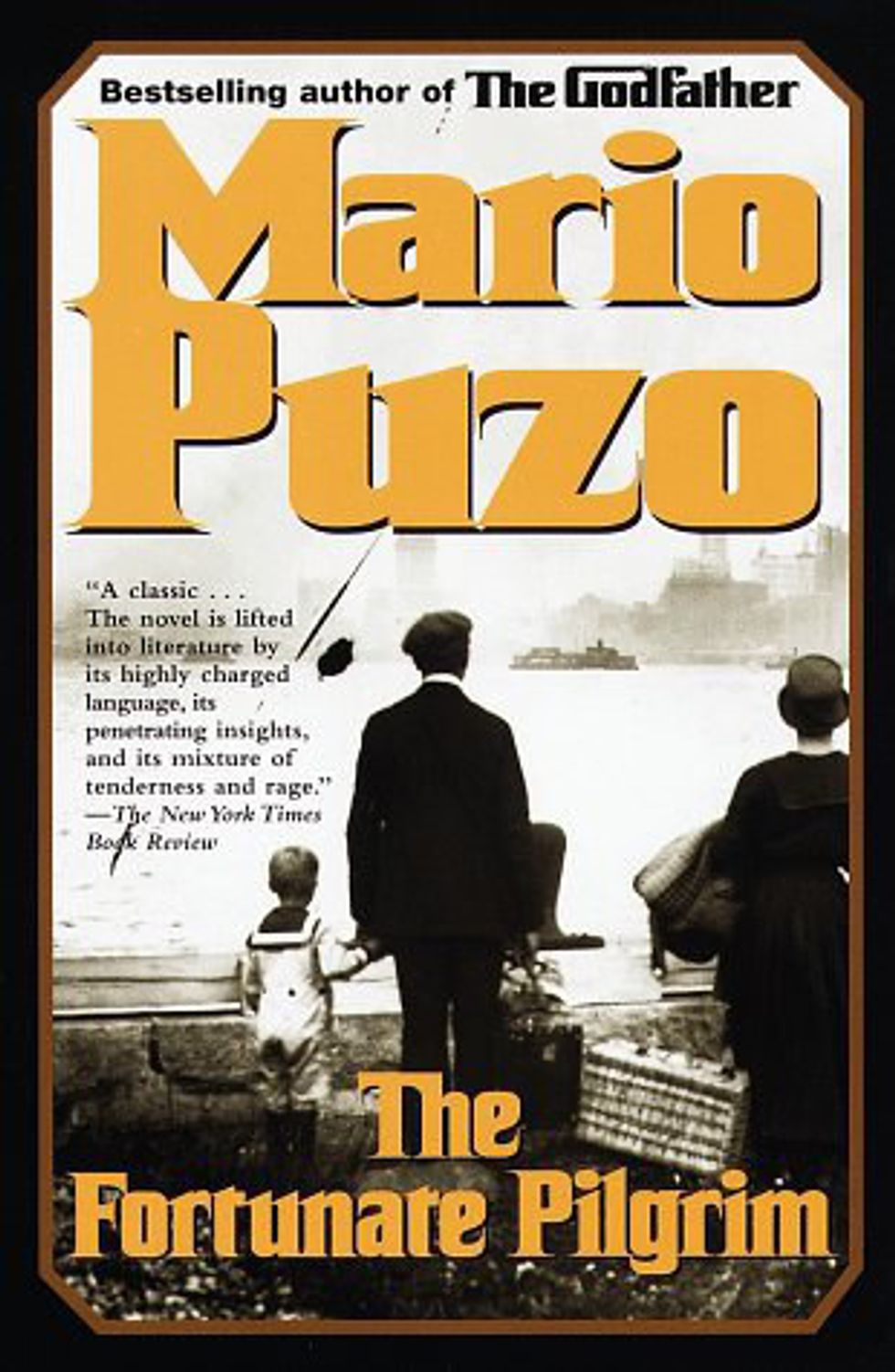
It would be very educational to read both fiction and nonfiction centered on the experiences of immigration and assimilation. In terms of fiction, instructors could teach "Christ in Concrete" by Pietro di Donato, "The Fortunate Pilgrim" by Mario Puzo, "The Rise of David Levinsky" by Abraham Cahan, or one of the short stories in Sui Sin Far’s anthology, "Mrs. Spring Fragrance." As for nonfiction, teachers could consider "Mount Allegro" by Jerre Mangione or "The Woman Warrior" by Maxine Hong Kingston.
7. The Epistolary Narrative:
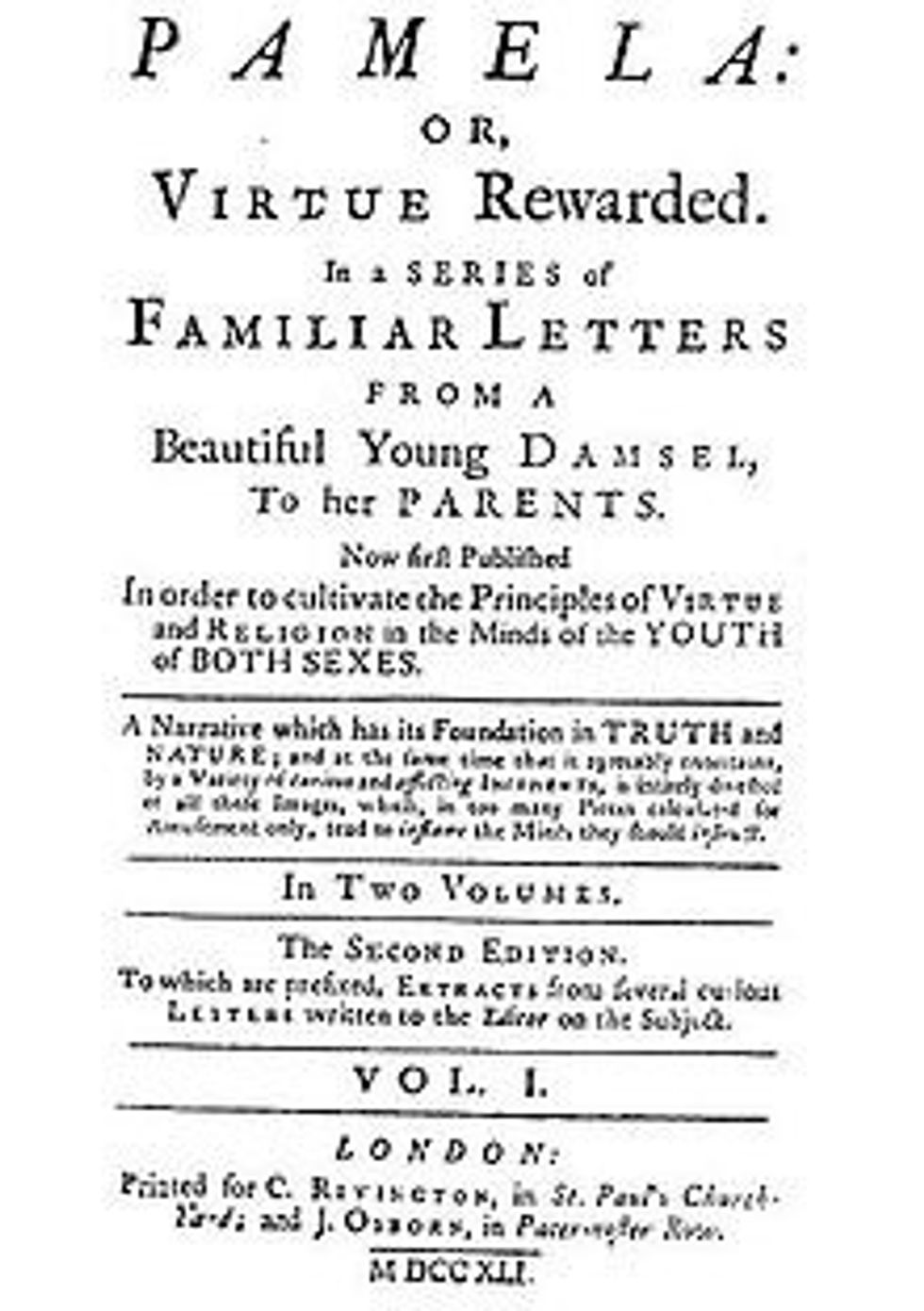
Epistolary fiction emerged in the 18th century and continues to be a common form of fiction writing. In an epistolary-themed lit class, an instructor could teach 18th-century epistolary novels told from the woman’s perspective (i.e. "Pamela" by Samuel Richardson, "Evelina" by Frances Burney, or "The Coquette" by Hannah Webster Foster) and analyze how gender plays a role in the process of writing. Teachers can also consider using epistolary novels told from different perspectives such as Laclos’ notoriously seductive novel, "Dangerous Liaisons," or Amos Oz’s novel of familial dysfunction, "Black Box." When teaching these novels, instructors could ask students to analyze/question the reliability of the different narrators. Dangerous Liaisons and Black Box would come in handy for instructors teaching world literature. In terms of other foreign epistolary novels, teachers could use "Poor Folk" by Fyodor Dostoevsky (Russia), "Hyperion" by Friedrich Holderlin (Germany), "The Key & Diary of a Mad Old Man" by Junichiro Tanizaki (Japan), or "So Long a Letter" by Mariama Ba (Senegal). A learning objective could be to analyze how culture and history is reflected through the journal and letter writing.
8. Women and the World:
In this class, instructors could discuss the differences between individualist and collectivist cultures with their students. More importantly, how individualist and collectivist cultures differ with the treatment of women and the institution of marriage. In terms of literature from individualist cultures, instructors could teach "A Room with a View" by E.M. Forster (England), "The Age of Innocence" by Edith Wharton (United States), "The Matchmaker" by Thornton Wilder (United States), or "The Marriage of Bette and Boo" by Christopher Durang (United States). As for literature from collectivist cultures, teachers could use "So Long a Letter" by Mariama Ba (Senegal), "Love in the Time of Cholera" (Colombia), or "Baltasar and Blimunda" by Jose Saramago (Portugal).

9. New York as a Character:
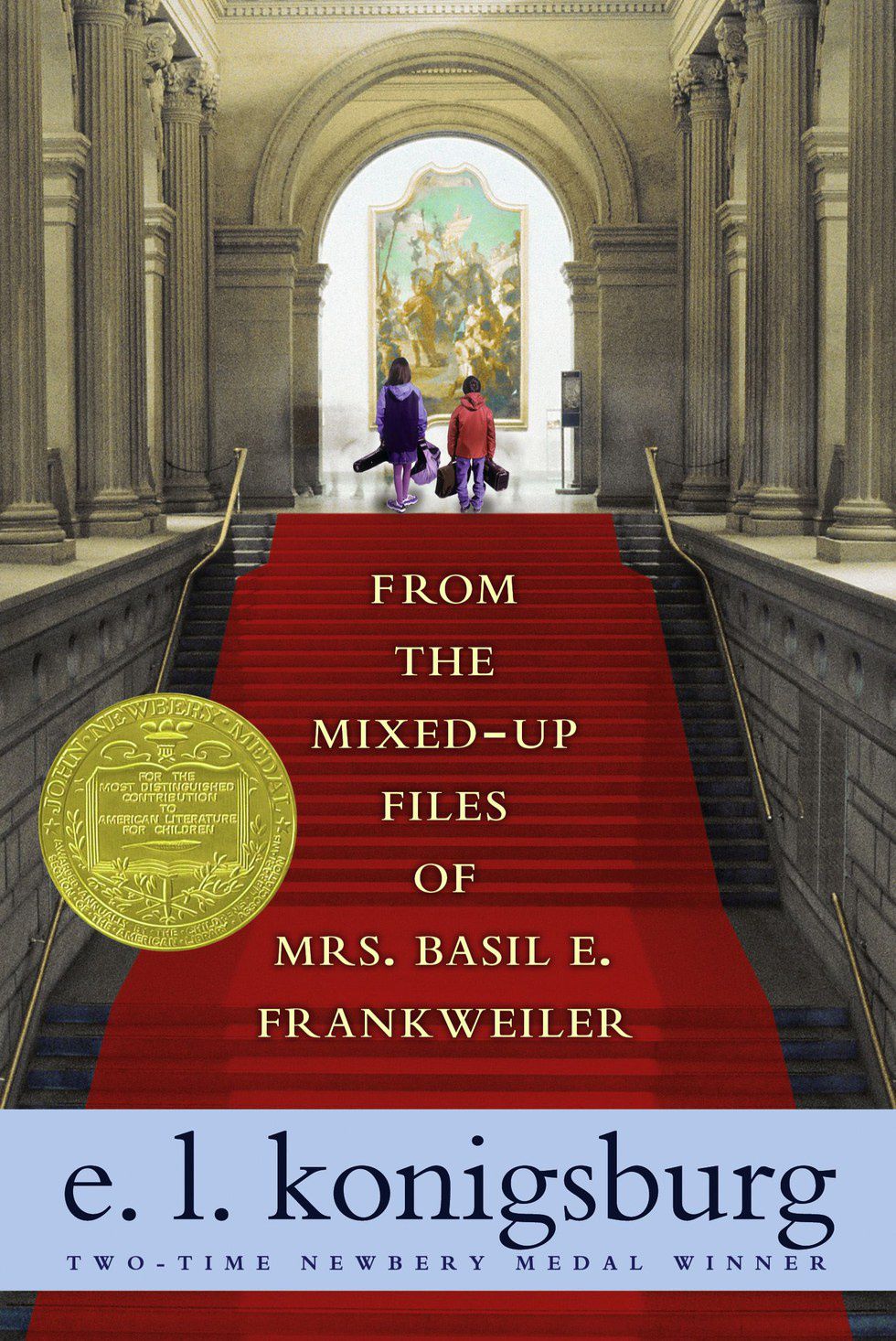
“New York is a character in the story” is something that many film critics have said after viewing films that take place in New York. There are several novels, plays, short stories and even poems that take place in New York as well. Instructors could teach novels with themes regarding immigration and assimilation into New York City. Some of the most famous coming-of-age novels take place in New York such as "The Catcher in the Rye," "A Tree Grows in Brooklyn" and "From the Mixed Up Files of Mrs. Basil E. Frankweiler." Additionally, couple of Edith Wharton novels take place in New York City, including "The Age of Innocence" and "The Custom of the Country." Instructors could also teach stage plays that take place in New York City, such as "Angels in America" by Tony Kushner, "Barefoot in the Park" by Neil Simon and "A View From the Bridge" by Arthur Miller. In terms of shorter works, several of O. Henry’s short stories take place in New York City. In addition, teachers could consider using poems about New York City, such as “Crossing Brooklyn Ferry” by Walt Whitman.
10. Women in Mythology and Fairy Tales:
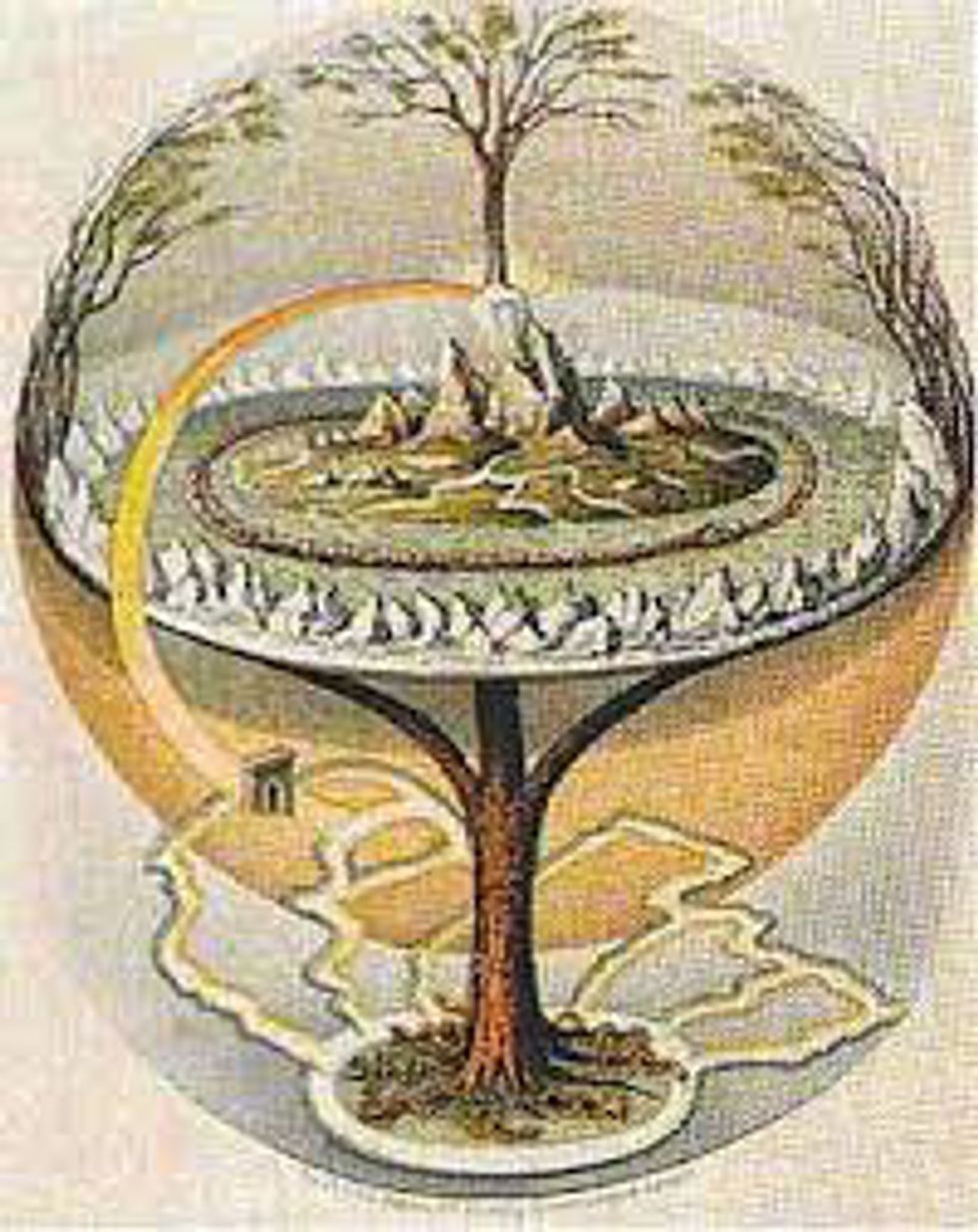
In the spring 2016 semester, I took Medieval Literature where we read "The Prose Edda," a work of Norse mythology featuring powerful superhuman women. Reading this book inspired me to read more mythological and fairy tale-like works. At the end of the semester, my Writing Fiction professor recommended me a collection of feminist fairy tales by Angela Carter called "The Bloody Chamber." I looked it up on Amazon to read the description, and under “similar titles,” I saw another collection of feminist fairy tales by Emma Donoghue (author of "Room") called "Kissing the Witch." I read both of these anthologies and liked them very much. In terms of other fairy tale collections teachers could use, there is "Tale of Tales" by Giambattista Basile, "Italian Folktales" by Italo Calvino and "Fairy and Folk Tales of the Irish Peasantry," edited by W.B. Yeats.